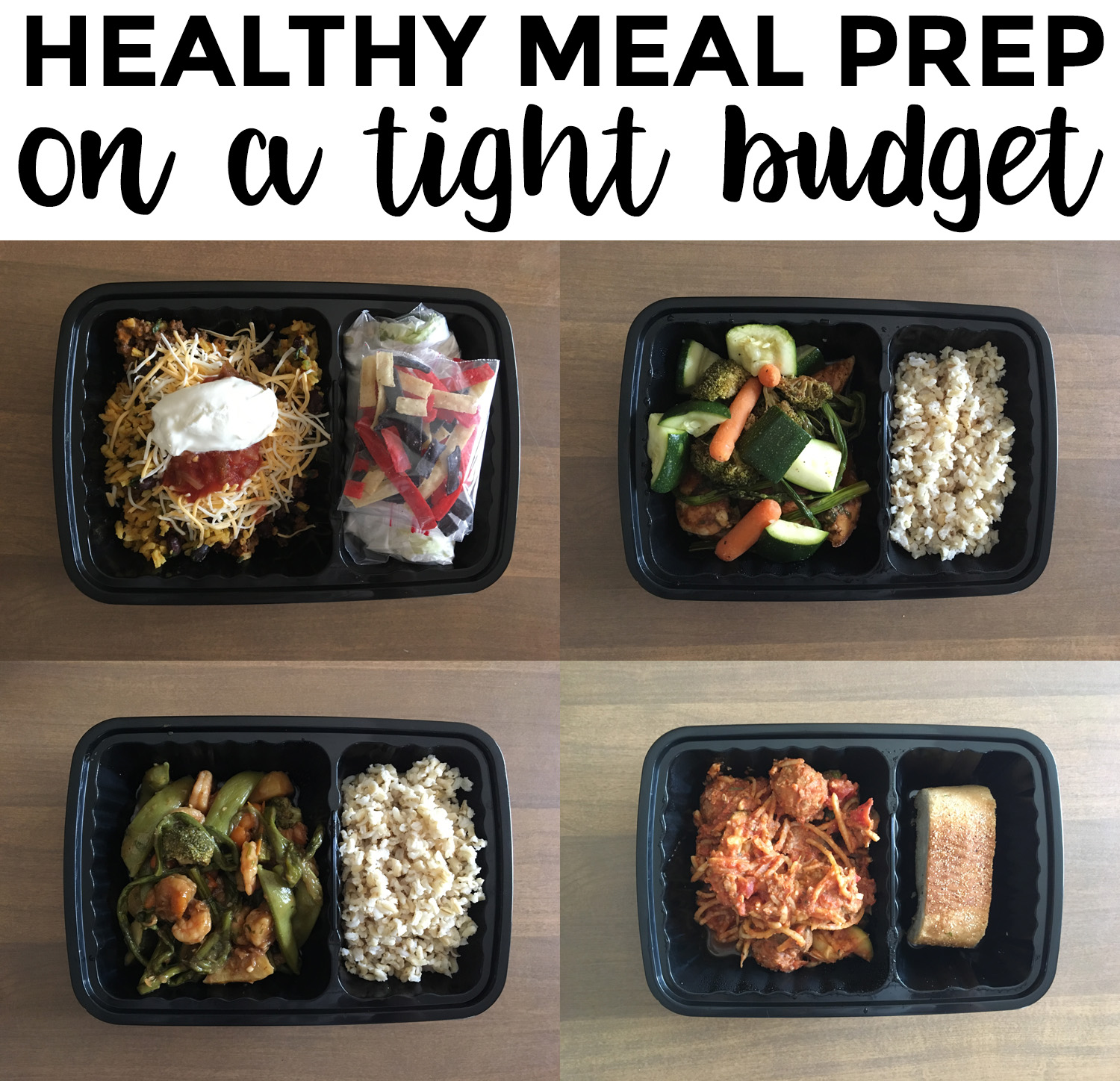
Panel Discussion: Meal Prep on a Budget
Welcome to our panel discussion about meal prep on a budget! Today we’re joined by three experts who will discuss tips and tricks for preparing healthy, delicious meals without breaking the bank. Our panelists are:
– Jane Smith, a registered dietitian and nutritionist who specializes in helping people eat well on a tight budget
– Tom Lee, a personal chef who works with clients to create affordable meal plans based on their dietary preferences and needs
– Sarah Jones, an avid home cook and blogger who shares her favorite frugal recipes and meal planning ideas with her readers
Let’s dive into the discussion!
Question 1: What are some of your top tips for saving money while grocery shopping?
Jane: One of my biggest tips is to plan your meals ahead of time. This way you can make sure you only buy what you need for the week and won’t end up wasting food or money. I also recommend buying in bulk when possible – things like rice, beans, lentils, and frozen vegetables can be much cheaper this way.
Tom: Another tip is to shop seasonally. Fresh produce that’s in season tends to be cheaper than out-of-season produce that has been shipped from far away. And don’t forget about frozen fruits and veggies – they can be just as nutritious as fresh ones but cost less.
Sarah: Something I always do is check out the sales flyers before heading to the store. This lets me know what items are on sale so I can plan my meals around them. I also try to avoid pre-packaged foods because they tend to be more expensive than making things from scratch.
Question 2: How do you suggest people make meal prep more efficient?
Tom: One thing that really helps is having a few go-to recipes that use similar ingredients so you can buy everything at once. For example, if you have chicken breast in one recipe one night, try using the leftovers in a salad or stir fry the next night.
Sarah: I completely agree with Tom. Another tip is to cook in bulk so you have enough for multiple meals throughout the week. This saves time and money because you won’t have to cook every single night.
Jane: It’s also important to use your freezer! You can make big batches of things like soups or casseroles and freeze them for later. And don’t forget about freezing individual portions too – this makes it easy to grab a meal on-the-go or when you’re short on time.
Question 3: What are some budget-friendly sources of protein?
Sarah: Eggs are definitely one of my favorite budget-friendly sources of protein. They’re versatile and can be used in so many different recipes.
Tom: Canned tuna is also a great option – it’s high in protein, affordable, and has a long shelf life.
Jane: Beans and lentils are two other options that are not only inexpensive but also very nutritious. Plus they can be used in both savory and sweet dishes!
Question 4: How do you suggest people handle food waste when meal prepping?
Jane: One way to reduce food waste is by making sure you use up all your ingredients before they go bad. For example, if you buy a bunch of kale but only need half for your recipe, find another recipe that uses kale as well so nothing goes to waste.
Tom: Another thing is to get creative with your leftovers! You can turn extra roasted vegetables into soup or frittatas, or mix leftover chicken into pasta dishes or salads.
Sarah: Lastly, don’t forget about composting! If something does go bad before you can use it up, instead of throwing it away try composting it instead. This helps reduce landfill waste while also creating nutrient-rich soil for plants.
Question 5: Can meal prep help people eat healthier overall?
Tom: Absolutely! Meal prep allows you to have more control over what you’re eating, which can lead to healthier choices. Plus, when you plan ahead and have healthy meals ready to go, you’re less likely to reach for junk food or fast food.
Jane: And with meal prep, you can also make sure you’re getting all the nutrients your body needs. For example, if you plan your meals around a variety of fruits and vegetables, lean proteins, and whole grains, then you’ll be getting a balanced diet.
Sarah: Meal prep has also been shown to help people stick to their dietary goals – whether that’s losing weight or just eating more nutritious foods. When everything is planned out in advance it takes away the guessing game of what to eat each day.
Closing thoughts:
We hope this panel discussion has given everyone some useful tips for meal prepping on a budget. Remember that eating healthy doesn’t have to be expensive – with a little planning and creativity anyone can enjoy delicious wholesome meals without breaking the bank. Thank you Jane, Tom and Sarah for sharing your insights with us today!

Leave a Reply