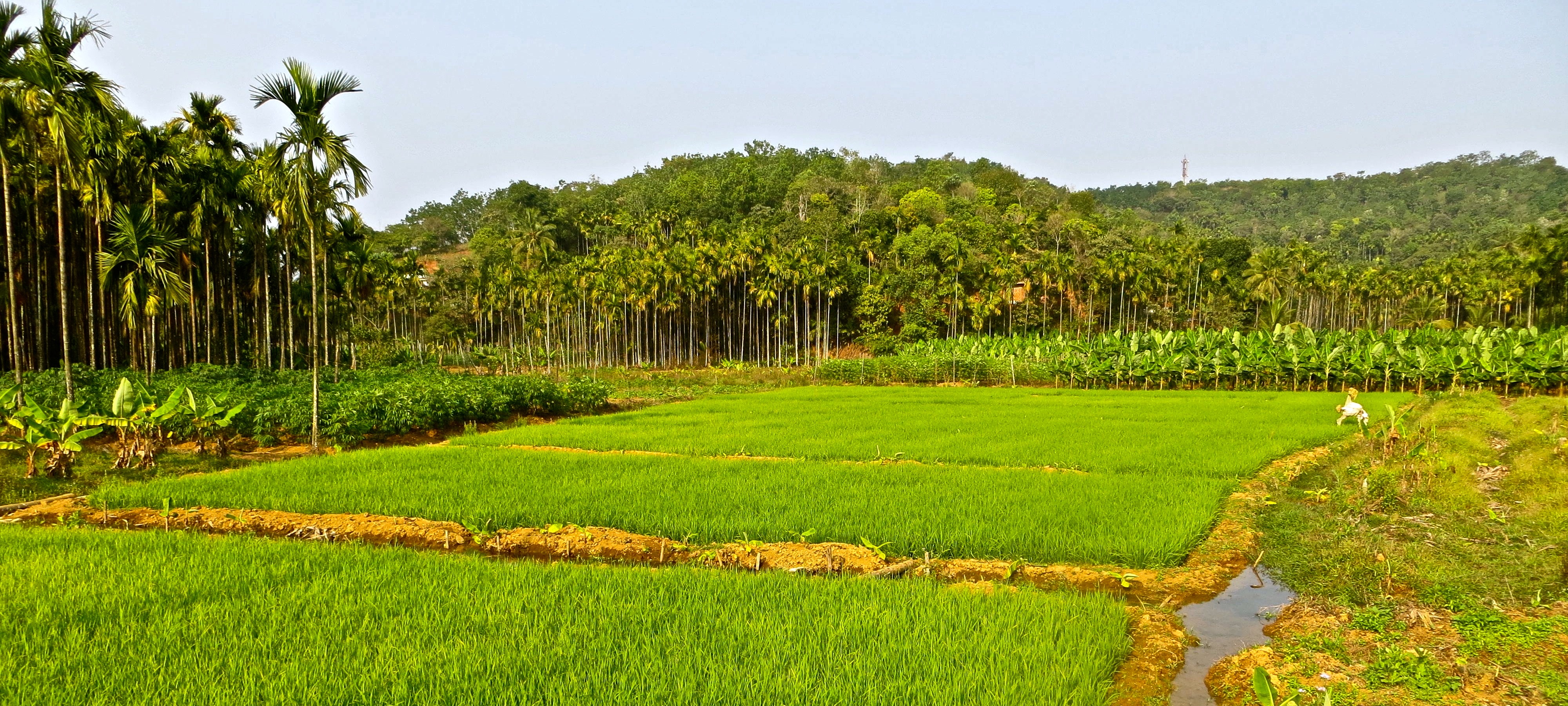
Sustainable agriculture is a way of farming that focuses on producing food while also preserving the environment, protecting public health, and supporting local communities. It’s an approach to agriculture that helps farmers meet the needs of the present without compromising the ability of future generations to do the same.
In traditional farming practices, intensive use of synthetic fertilizers and pesticides has led to soil degradation, water pollution, and other environmental problems. Sustainable agriculture aims to address these issues by using natural techniques that promote ecological balance and conserve resources.
One key element of sustainable agriculture is soil conservation. Farmers work to maintain healthy soils through practices like crop rotation, cover cropping, and reducing tillage. By doing so they can improve soil structure, increase organic matter content which in return increases nutrient availability for crops leading to higher yields. This leads not only to better harvests but also reduced erosion rates in fields as well as minimizing run-off into rivers or lakes.
Another important aspect of sustainable agriculture is water conservation. In many parts of the world where irrigation takes place farmers are working towards smarter ways for watering their crops such as drip irrigation systems which provide a more efficient use of water compared with traditional methods such as flood or overhead sprinkling.
Sustainable agricultural practices also prioritize biodiversity by promoting crop diversity and encouraging habitat for beneficial insects such as bees who help pollinate plants thus increasing yields while maintaining genetic diversity among plants helping them become resistant against pests or diseases naturally.
Additionally, sustainable agriculture aims at minimizing waste throughout the farm operations from production all through post-harvest activities. For instance instead of burning crop residues or disposing them randomly it can be used for composting hence providing nutrients back into the soils making it possible for healthier plant growth cycles in future seasons.
Finally but not least important ,sustainable agricultural strategies look towards improving rural livelihoods by creating jobs within their communities leading towards economic development .This by incorporating programs aimed at training new growers coupled with offering technical assistance on best practices, and marketing strategies to ensure a fair price for their products.
Sustainable agriculture has been adopted worldwide by farmers of all types and sizes. In the United States, sustainable agriculture is becoming more popular with small-scale farmers who are looking to maintain healthy soils while minimizing environmental impact. This approach not only benefits the environment but also improves farmer’s bottom line leading towards better profitability in farming operations.
In conclusion, Sustainable Agriculture is an efficient and productive way of cultivating crops without compromising the health of the planet or its inhabitants. By adopting these practices we can promote biodiversity, conserve resources such as water & soil nutrients while building resilient local food systems that create jobs within rural communities thus promoting economic growth. The future looks bright for those willing to invest in sustainable agricultural techniques as it provides us with opportunities for long term success in feeding our growing population while preserving our natural resources for generations to come.

Leave a Reply