Wine Fermentation Expenses: A Comprehensive Guide
Fermenting wine is a process that involves converting the natural sugars found in grapes into alcohol through the use of yeast. This process can be done at home or on a commercial scale, and it comes with its own set of expenses. In this article, we will take a closer look at the expenses involved in wine fermentation.
1) Grapes
The first expense to consider when fermenting wine is purchasing grapes. The cost of grapes varies depending on the variety, region, and quality. For example, premium varieties like Cabernet Sauvignon from Napa Valley can cost up to $5 per pound compared to other varieties such as Concord grape which costs around 50 cents per pound.
If you are making wine from scratch or starting your vineyard, you need to consider additional expenses such as land purchase or leasing fees, soil preparation costs (such as irrigation installation), and equipment purchases such as trellis systems for growing vines.
2) Equipment
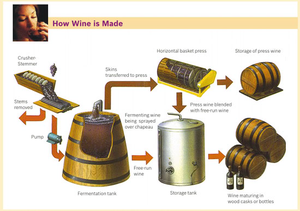
Another significant expense associated with fermenting wine is equipment. You need various tools including fermentation tanks, storage barrels or bottles, presses for crushing grapes; bottling machines among others.
For small-scale production at home level winemaking kits are available that include most basic equipment needed for fermentation and aging processes. These kits range in price from $100-$500 depending on their complexity and size capacity.
On a commercial scale wineries typically have large stainless-steel tanks which vary in sizes ranging from 500 gallons up to several thousand gallons each costing between $5k-$20k dollars each tank plus pumps pipes fittings etcetera all adding up quickly.
3) Yeast
Yeast is an essential ingredient when making wine because it converts sugar into alcohol during fermentation. It’s important to select high-quality yeasts specifically designed for winemaking since different strains produce unique flavors profiles within different types of wines.
Prices for yeast can range from $1-2 per packet to more expensive strains that cost over $10 per packet. One packet is usually enough for five gallons of wine.
4) Additives and Chemicals
Additives such as sulfites, fining agents, and enzymes are often used in winemaking to enhance flavor stability and clarity. These chemicals could add up quickly if not precisely measured or overused.
Sulfites typically come in small packets ranging from 5-25 grams costing around 50 cents each. Enzymes and fining agents may be more expensive depending on the type, but prices generally range between $1-$3 per gram or packet.
5) Labor Cost
Fermenting wine requires a significant amount of labor, particularly on a commercial scale. This includes everything from harvesting grapes to bottling finished wines.
For small-scale home production, the cost of labor would be relatively low since most tasks can be done by one person with little time investment compared to commercial wineries where it could take up several employees working full-time hours throughout the entire year.
6) Packaging
Once your wine is ready to sell or consume you will need packaging materials such as bottles labels capsules corks cartons shipping boxes etcetera
The cost of these materials varies based on factors like quality & quantity needed. Bottles alone could cost anywhere between 50 cents-$3 each depending upon its size and shape; likewise corks also have different grades with pricing starting at 20 cents each going upwards.
7) Energy Expenses
Lastly, there are energy expenses associated with fermenting wine which includes electricity costs required for running pumps refrigeration units lights among other things; heating fuel costs especially during cold climates when fermentation tanks must stay warm (usually above 60 degrees Fahrenheit); water usage costs due to washing equipment tanks barrels etcetera regularly throughout production cycle
Conclusion:
In conclusion, the expenses involved in fermenting wine vary depending on the scale of production and quality of ingredients used. Home winemakers can expect to spend a few hundred dollars, while commercial wineries could easily spend hundreds of thousands or even millions every year.
The key takeaway is that careful budgeting and planning are essential when fermenting wine, no matter how small or big you decide to go. By understanding these expenses, you’ll be better prepared to make informed decisions about how much money you need to allocate towards your winemaking venture.

Leave a Reply