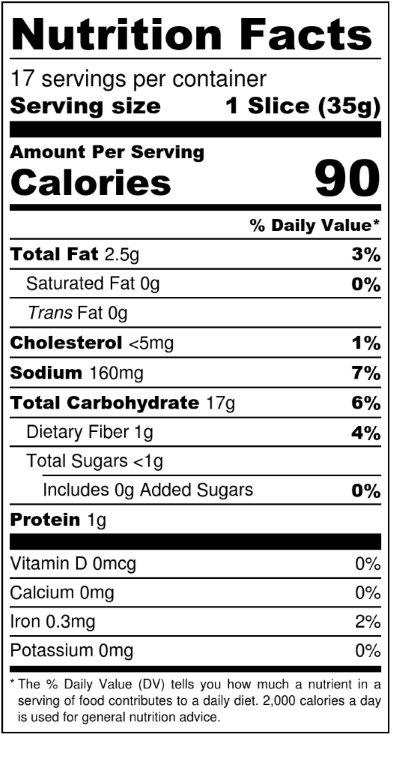
Gluten-free bread has become a popular alternative to traditional wheat-based bread in recent years, particularly among those with celiac disease or gluten sensitivity. This type of bread is made without the protein gluten, which is found in wheat, rye, and barley.
One of the benefits of gluten-free bread is that it can be easier to digest for people who are sensitive to gluten. In addition, many people find that it helps reduce inflammation and bloating in their digestive system.
There are several types of flour that can be used to make gluten-free bread, including almond flour, coconut flour, and rice flour. These flours provide a variety of flavors and textures that can be adapted to suit different tastes.
When making gluten-free bread at home, it’s important to use high-quality ingredients and follow a recipe closely. Gluten-free flours often require different ratios of liquid and binding agents than traditional wheat flour does. For example, some recipes may call for eggs or xanthan gum as binding agents instead of the gluten found in wheat flour.
In addition to being easy on the digestive system and offering a wide range of flavors and textures, there are other health benefits associated with consuming gluten-free bread. Many types of whole-grain flours used in making this type of bread contain more fiber than traditional white wheat flour does. Fiber helps keep digestion regular by promoting healthy bowel movements.
Overall, while there is no one-size-fits-all approach when it comes to dietary needs or preferences – opting for a diet rich in whole grains such as those found in many types of gluten-free flours may provide additional nutritional benefits beyond just avoiding certain proteins like Gluten while enjoying your favorite sandwiches or toast!

Leave a Reply