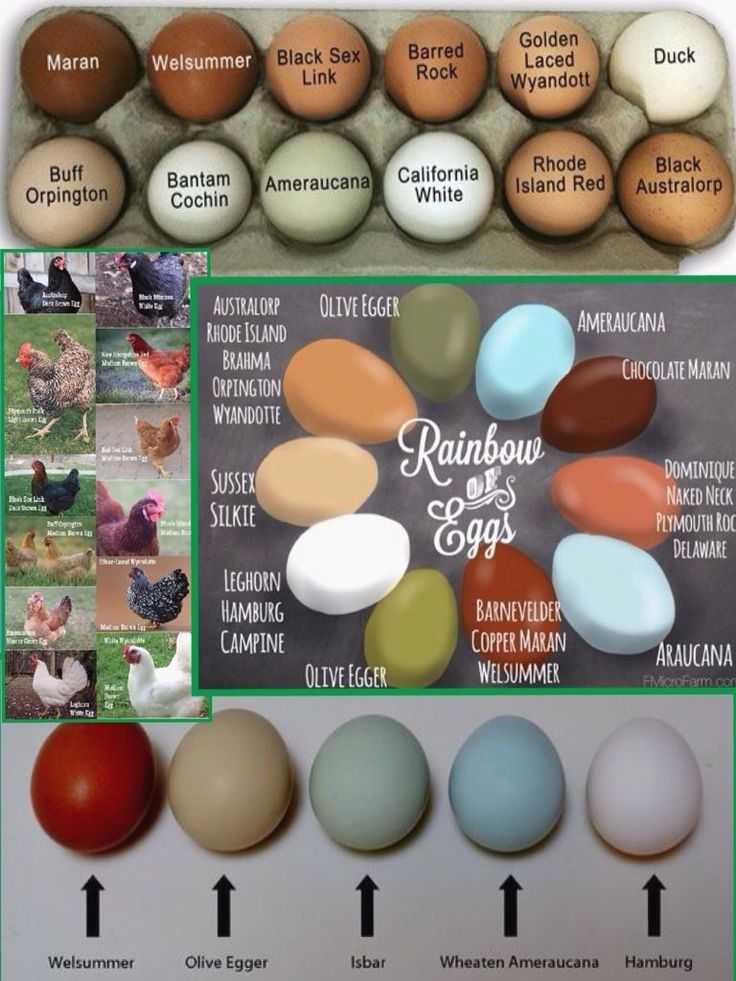
Eggs are a staple food in most households, and people often have their preferences regarding the size and color of their eggs. Some like them big while others prefer small ones, some like white eggs while others opt for brown or even blue-colored shells. But does it really matter? Let’s take a closer look at egg size and color variations.
Firstly, let’s talk about the size of the egg. Eggs come in various sizes – small, medium, large, extra-large, and jumbo. The difference in size is mainly due to the age of the hen that laid them. Younger hens tend to lay smaller eggs while older hens lay larger ones.
Small eggs weigh around 1.5 ounces each and are suitable for recipes that require less volume such as quiches or scrambled eggs for one person. Medium-sized eggs weigh approximately 1.75 ounces each and are still good for cooking but may not be ideal if you need more volume in your recipe.
Large-sized eggs weigh around 2 ounces each and are commonly used in baking recipes such as cakes or cookies since they provide better structure to baked goods. Extra-large eggs weigh approximately 2.25 ounces each are also great for baking but might make an omelet too fluffy.
Jumbo-sized eggs weigh over 2.5 ounces each and can be challenging to find at regular grocery stores as they’re often sold only at specialty stores because they don’t fit into standard cartons or packaging materials that other sizes do.
While there isn’t much nutritional difference between different sized-eggs when compared ounce-for-ounce, larger-sized ones contain more protein than smaller ones since they have a higher percentage of egg white per yolk ratio.
Now let’s explore eggshell colors – brown vs white vs blue (yes! Blue!) Contrary to popular belief; there is no significant nutritional difference between different colored-eggshells except maybe a higher price tag for certain varieties.
The color of an eggshell is determined by the breed of chicken that laid it. Chickens with white earlobes usually lay white eggs, and those with red or brown earlobes lay brown eggs. In contrast, chickens that produce blue eggs have a genetic mutation that makes their shell-producing gland secrete biliverdin instead of protoporphyrin (which gives a brown or pink hue to the eggshells).
That being said, some people still prefer one color over the other based on personal preference or cultural reasons. For example, in some countries like the United States, white eggs are more popular since they’re widely available and often less expensive as compared to brown or blue ones. However, in other regions such as Europe and South America, brown eggs are preferred because people there associate them with better quality due to their darker color.
Additionally, some consumers believe that there’s a taste difference between different colored-eggs; however, this is not true either because what you eat inside the egg is always the same – no matter what shade of shell it has!
In conclusion; when it comes to choosing which size or color of an egg to buy – it ultimately depends on your personal preferences. The nutrition content remains almost identical across different sizes and colors so feel free to get whichever suits your needs best!
However; if you’re looking for something unique and fancy try looking for rare breeds producing blue-greenish-colored shells like Araucana hens from Chile which can be found at specialty stores or farmers markets. Regardless of what you choose – don’t forget about how versatile eggs can be in cooking and baking too!

Leave a Reply