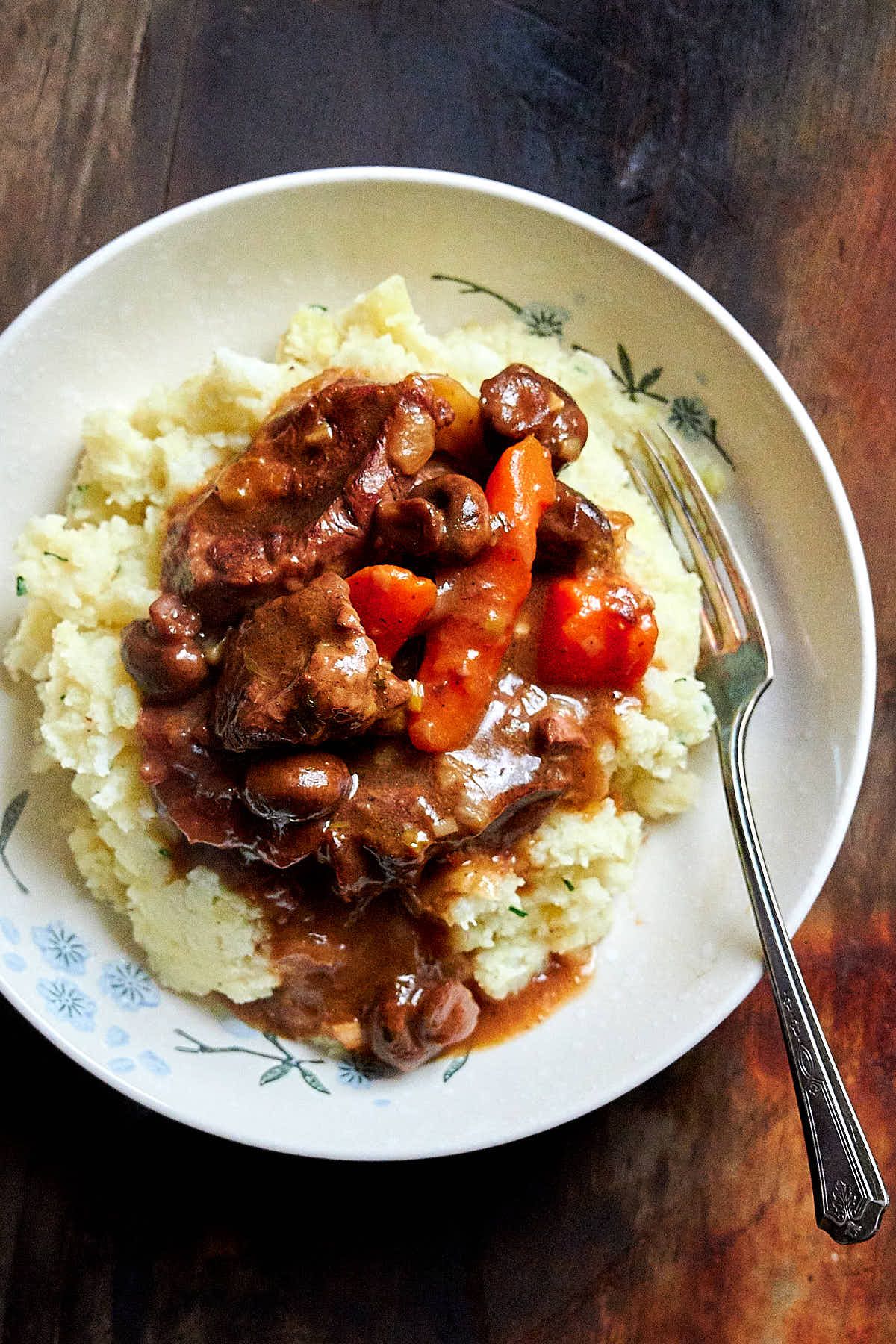
Braising is a cooking technique that involves cooking meat or vegetables in liquid at low temperatures for an extended period. This method breaks down the fibers of tough cuts of meat, making them tender and flavorful. Braising can be done on the stove, oven, or slow cooker.
One of the key benefits of braising is that it requires very little effort from the cook. Once you’ve placed your ingredients in the pot and added your liquid, you can let it simmer away for hours without any further attention. This makes it a perfect choice for busy weeknights when you don’t have time to stand over a hot stove.
Another benefit of braising is that it’s a healthy cooking method. Since braising uses liquid instead of oil or fat to cook the food, there’s no need to add extra calories to your dish. Additionally, because braised dishes are often made with inexpensive cuts of meat like beef chuck or pork shoulder, they’re an affordable option for families on a budget.
To braise successfully, there are a few key steps to follow:
1. Brown your meat first: Before adding your meat to the pot, take some time to brown it in a skillet first. This will give it more flavor and help seal in its juices during the long cooking process.
2. Use enough liquid: You want enough liquid in your pot so that all your ingredients are submerged but not swimming around freely. If you’re unsure how much liquid to use, start with 2-3 cups and adjust as needed.
3. Choose complementary flavors: When deciding what flavors to add to your braise, think about what will complement the main ingredient best. For example, if you’re making beef bourguignon (a classic French braise), red wine and mushrooms make great partners for beef.
4. Don’t skimp on herbs and aromatics: Fresh herbs like thyme and rosemary add depth of flavor while aromatics like garlic and onions create a base of flavor for your braise.
Now that you know the basics, let’s take a look at some delicious braising recipes:
1. Beef Bourguignon: This classic French dish is perfect for colder weather. Brown beef chuck in a skillet, then add it to a pot with carrots, onions, red wine, beef broth, and herbs. Let it simmer on low heat for 2-3 hours until the meat is tender and falling apart.
2. Braised Pork Shoulder: Pork shoulder is an affordable cut that becomes incredibly tender when braised. Start by browning the pork in a skillet before adding it to a pot with sliced apples, apple cider vinegar, chicken broth, and spices like cinnamon and nutmeg.
3. Braised Chicken Thighs: Bone-in chicken thighs are great for braising since they stay moist during long cooking times. Brown them in a skillet before adding them to a pot with diced tomatoes, green olives, capers, and white wine.
4. Braised Short Ribs: Short ribs are another tough cut of meat that benefit from braising. After browning them in a skillet, add them to a pot with red wine or beer along with carrots, celery, onion and fresh thyme.
5. Braised Brussels Sprouts: Vegetables can be braised too! Try this recipe for braised Brussels sprouts which involves sautéing bacon first before adding Brussels sprouts into the pan along with shallots or onions plus vegetable broth or water.
In conclusion:
Braising is an easy way to make delicious meals without much effort while also keeping things healthy by using liquid instead of oil or fat as well as inexpensive cuts of meats like beef chuck or pork shoulder making it budget-friendly option too! Remember these four key steps when preparing your next braise – brown your meat first; use enough liquid; choose complementary flavors; and don’t skimp on herbs and aromatics. With these tips, you’ll be a master braiser in no time!

Leave a Reply