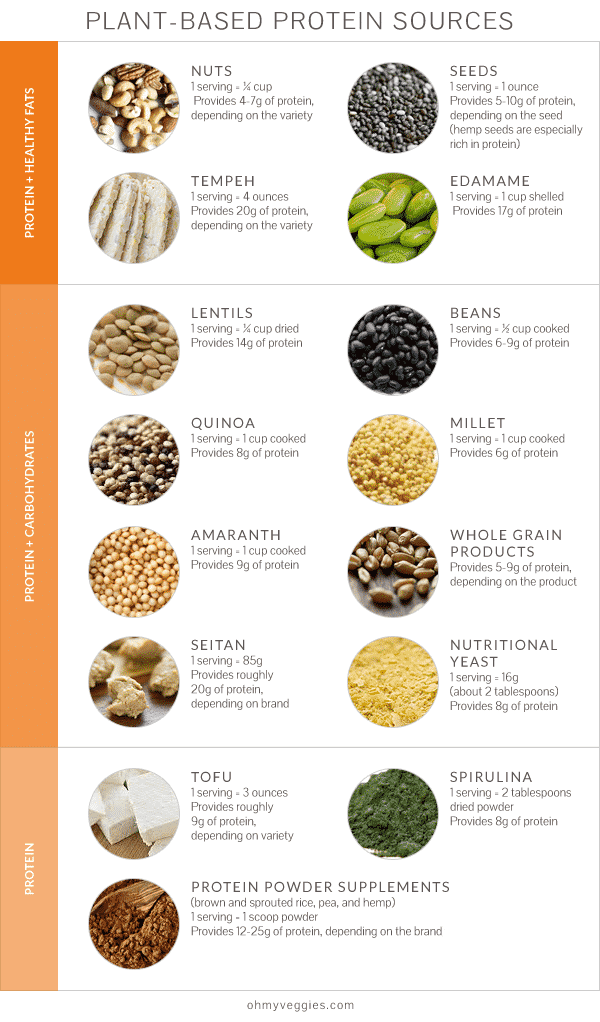
As the world becomes more health-conscious, people are increasingly turning to plant-based protein sources. While some may find it challenging to make a complete switch from animal-based proteins, there are plenty of delicious and nutritious options available.
Let’s take a closer look at some of the best plant-based protein sources that will fuel your body and keep you healthy:
1. Lentils – Lentils are an excellent source of protein, fiber, iron, and other essential nutrients. They’re also versatile and can be used in soups, stews, salads or as a side dish.
2. Chickpeas – Chickpeas are another great source of plant-based protein that can be added to salads or turned into hummus for a tasty snack. They contain high levels of fiber which helps with digestion.
3. Quinoa – Quinoa is not only loaded with proteins but is also gluten-free making it perfect for those with gluten intolerance. It has all nine essential amino acids making it an excellent option for vegans needing complete proteins.
4. Tofu – Tofu is made from soybeans and is known for its versatility in cooking. It can be fried or baked, marinated or seasoned making it an excellent addition to stir-fry dishes or even smoothies!
5. Chia seeds – Chia seeds have gained popularity in recent years due to their high fiber content, omega-3 fatty acids as well as antioxidants such as vitamin E which help protect the body against disease.
6. Hemp Seeds – Like chia seeds hemp seeds pack quite the nutritional punch! Not only do they contain 10 grams of protein per two tablespoons but they’re also rich in healthy fats like omega-3s!
7. Edamame – These young soybeans come packed with flavor while providing 17gms of protein per cup! You can enjoy these boiled (with salt), roasted (with spices) or blended into dips like hummus.
8. Nutritional Yeast – This is a popular ingredient among vegans because it has a cheesy flavor and contains Vitamin B-12 which is essential for those on plant-based diets.
9. Spinach – Spinach may not be the first thing that comes to mind when you think of protein sources, but it’s actually quite rich in this nutrient! It also contains iron, magnesium, and other essential vitamins and minerals.
10. Peas – Green peas are loaded with protein, fiber, and antioxidants such as vitamin C making them an excellent addition to salads or soups.
While this list isn’t exhaustive, it can give you an idea of how many different types of foods offer high amounts of plant-based proteins. You don’t have to rely solely on animal products to meet your dietary needs.
Here are some tips on incorporating these plant-based proteins into your diet:
1. Experiment with new recipes – There are countless recipes available online featuring these ingredients so try something new each week!
2. Meal prep – Preparing meals ahead can save time during busy weekdays while ensuring that nutritious meals are readily available
3. Don’t forget about snacks- Roasted chickpeas or edamame make great snack options throughout the day
4. Spice things up- Adding various spices can help enhance flavors in dishes like tofu stir-fry or lentil soup
5. Combine different sources – Mixing quinoa with beans or adding nuts/seeds to salads makes for a more varied meal plan
In conclusion, incorporating plant-based protein sources into your diet doesn’t mean sacrificing taste or nutrition! With a little bit of creativity and experimentation in the kitchen, you’ll find plenty of delicious ways to get all the nutrients you need without relying solely on animal products!

Leave a Reply