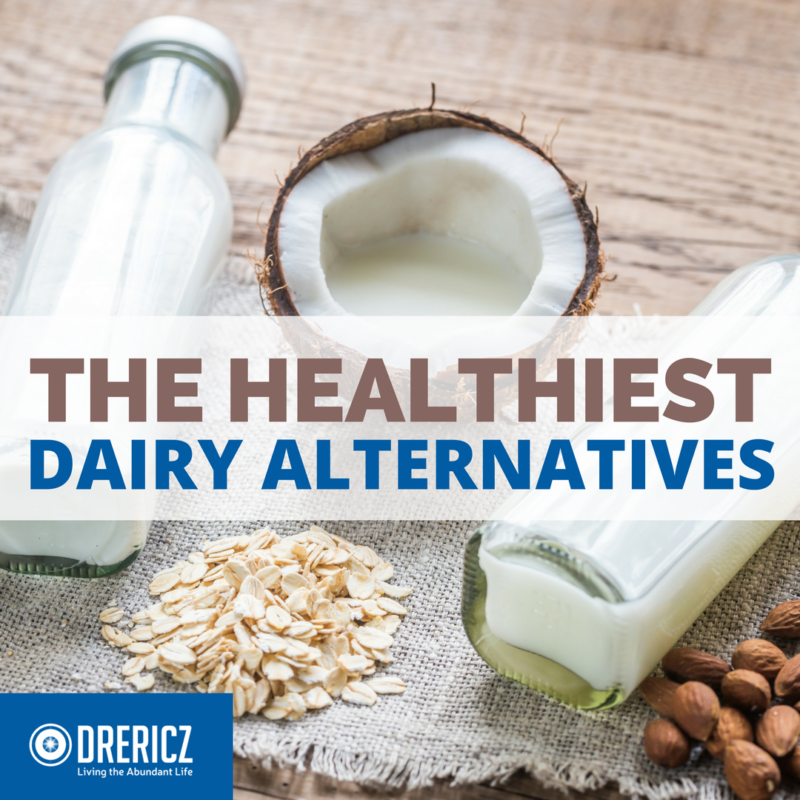
Dairy-Free Alternatives: A Guide to Healthy Eating
For people who are lactose intolerant, vegan or simply looking for healthier alternatives to dairy products, it can be challenging to find healthy and delicious options. Fortunately, there are many plant-based milk substitutes available on the market today that are both nutritious and tasty.
Soy Milk
One of the most popular dairy-free alternatives is soy milk. It has a mild flavor similar to cow’s milk but contains more protein and less fat than whole milk. Soy milk also contains vitamins B12, D, and calcium which are essential nutrients for strong bones.
Almond Milk
Another great option is almond milk which is made from ground almonds blended with water. Almond milk has a nutty taste and a creamy texture that makes it perfect for smoothies or coffee drinks. It is low in calories but high in vitamin E which helps fight inflammation in the body.
Coconut Milk
Coconut milk is another tasty alternative that adds richness to recipes like curries or soups. It contains lauric acid which boosts immune function as well as iron which aids in blood circulation.
Oat Milk
Oat milk has become increasingly popular due to its creamy texture and slightly sweet taste making it an ideal substitute for those who have nut allergies or sensitivities. Oats contain beta-glucans which help lower cholesterol levels while being rich in fiber aiding digestion.
Rice Milk
Rice millk comes from soaking rice grains then blending them with water until smooth consistency achieved. This type of alternative presents low allergy risk so suitable for anyone looking for hypoallergenic options yet still providing some amount of nutritional benefit such as carbohydrates from rice grains that give energy boost throughout the day.
Hemp Milk
A lesser-known option among vegetable milks includes hemp seed-based one having unique earthy taste profile while naturally containing omega-3 fatty acids along with other minerals like potassium magnesiun and iron.
Cashew Milk
Cashew milk is an excellent substitute for those who want a creamy consistency but still keep it low on calories. It’s rich in copper, magnesium, and zinc which are beneficial nutrients for bone health.
One benefit of dairy-free alternatives is that they can be easily substituted into most recipes that call for cow’s milk. The versatility of these plant-based milks makes them perfect for baking, cooking or just enjoying as a refreshing beverage.
In conclusion, there are many healthy and delicious dairy-free alternatives available today which provide essential nutrients such as calcium, protein and vitamins while also being low in calories. Whether you’re lactose intolerant or simply looking to make healthier food choices, these plant-based milks offer something for everyone.

Leave a Reply