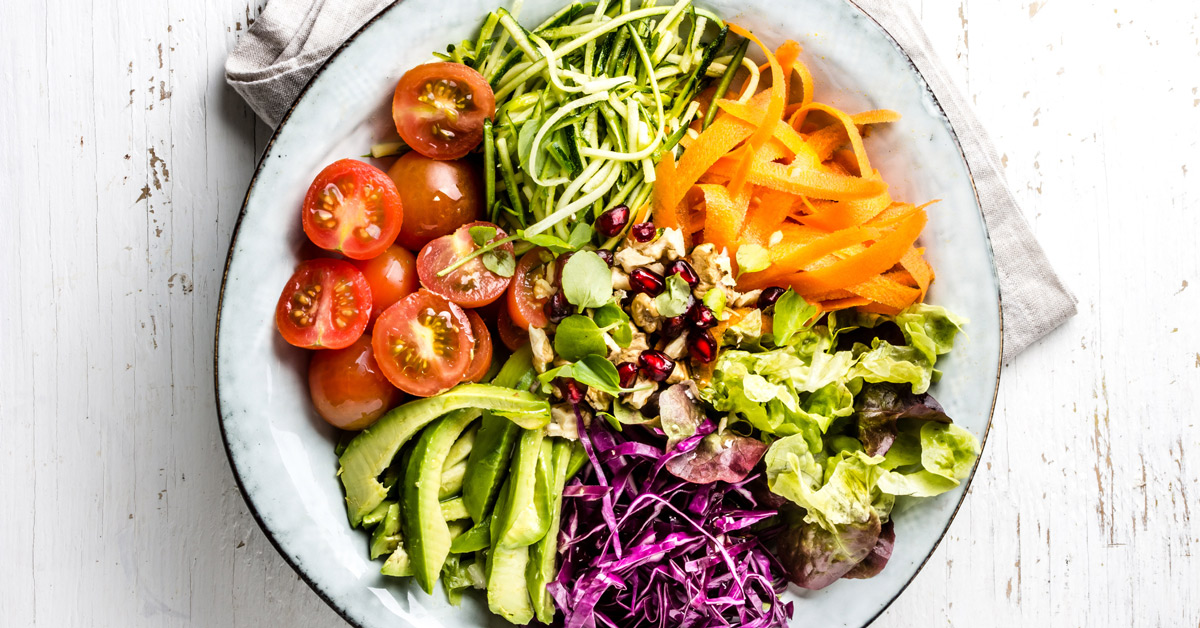
Raw Foodism Within the Vegan Community: Exploring the Benefits and Challenges
A vegan diet is one that excludes all animal products, including meat, dairy, eggs, and honey. While this diet has gained popularity in recent years due to concerns about animal welfare and environmental sustainability, there are variations within the vegan community that go beyond simply avoiding animal products. Raw foodism is a subset of veganism that involves eating only foods that have not been heated above 118°F (48°C) as it is believed that cooking destroys vital enzymes.
The raw food movement emerged in the early 20th century with advocates like Ann Wigmore who popularized wheatgrass juice and sprouted grain breads. Today, raw vegans can be found around the world consuming fruits, vegetables, nuts, seeds, and legumes in their natural state or prepared using techniques like soaking or dehydrating instead of cooking.
One of the main benefits touted by proponents of raw foodism is improved health. A study published in The Journal of Alternative and Complementary Medicine found that a raw food diet led to a decrease in total cholesterol levels among participants. Additionally, because raw foods are rich in vitamins and minerals while being low in calories compared to processed foods high in sugar and fat content which can lead to weight gain. Eating more fruits and vegetables has also shown to help reduce chronic diseases such as heart disease.
Another benefit associated with raw foodism is increased energy levels. Raw foods are easier for our bodies to digest since they require less energy than cooked foods do from our digestive system allowing us more time for other activities besides digesting our meals.
However, following a strictly raw vegan diet also comes with its own set of challenges. Firstly preparing meals may take longer because most people aren’t used to preparing uncooked meals which may require additional preparation steps such as soaking or sprouting legumes which takes extra time than simply boiling them on heat.
Furthermore obtaining enough variety in the diet can be a challenge as it is easy to eat the same foods repetitively. A raw vegan may need to experiment with new recipes and ingredients in order to ensure they are getting all the nutrients their body needs.
Another concern is that certain nutrients are more easily absorbed by our bodies when they have been cooked, such as lycopene from tomatoes or beta-carotene from carrots. Raw vegans must pay close attention to their nutrient intake and may need supplements for vitamins like B12 which isn’t present in many plant-based foods.
There’s also a social aspect of raw foodism that can make things challenging. Eating out at restaurants or gatherings with friends may require some pre-planning if one wants to stick to their raw diet. It might mean bringing your own dishes or finding restaurants that cater specifically towards raw foodists.
In conclusion, while there are several benefits associated with eating a raw vegan diet, it requires careful consideration and planning on behalf of the individual before making this lifestyle choice. Although it comes with its fair share of challenges, those committed enough would find ways around them and reap its rewards including improved health outcomes such as weight loss and increased energy levels. Ultimately, whether you choose to embrace a fully-raw vegan lifestyle or incorporate some elements of it into your current diet is up to you but always consult with your doctor first before making any drastic changes in your life especially if you have underlying medical conditions that can be affected by dietary changes.

Leave a Reply