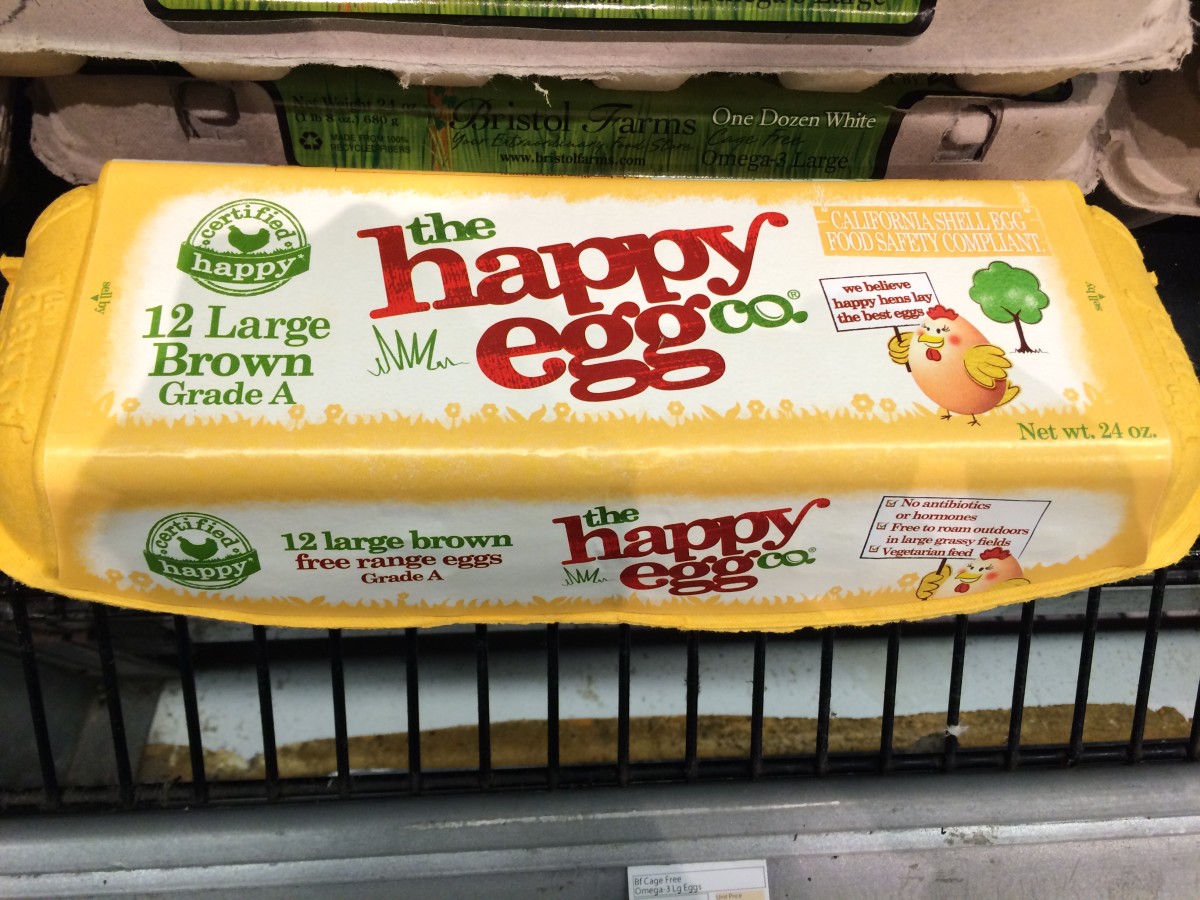
In recent years, there has been a growing trend towards organic and free-range food products. One such product that has gained significant attention is free-range eggs. Free-range eggs are said to be more nutritious than conventionally-raised eggs and are also considered to be more humane for the animals involved.
However, with this increase in popularity comes an increase in confusion about labeling regulations for free-range eggs. In this article, we will explore what these regulations entail and how they affect both producers and consumers of free-range eggs.
What Exactly Are Free-Range Eggs?
Free-range eggs come from chickens that have access to the outdoors where they can roam freely and engage in natural behaviors like scratching and dust-bathing. This is different from conventional egg production facilities where chickens are typically confined to small cages or crowded indoor spaces without access to the outdoors.
According to industry standards, free-range hens must have continuous daytime access to an outdoor area with vegetation cover that provides shade or shelter, as well as protection from predators. The size of the outdoor space varies depending on location but typically ranges between 2 – 4 square meters per bird.
Labeling Regulations for Free-Range Eggs
The U.S Department of Agriculture (USDA) regulates egg labeling across the country through its Agricultural Marketing Service (AMS). The AMS sets specific guidelines for labeling claims such as “free range” or “cage-free” on egg cartons.
To use the term “free range,” egg producers must demonstrate compliance with USDA’s definition by allowing hens access to an outdoor area with vegetation cover while also providing adequate shelter from inclement weather conditions or predator attacks.
The USDA goes further by requiring that producers who wish to label their products as “free range” provide documentation supporting their claim at any time upon request by an AMS auditor. This documentation could include photographs showing hen populations outside during daylight hours, records indicating feed delivery times coinciding with daylight hours when birds would be outside, or other types of evidence supporting that birds are being managed in a way consistent with the definition of free-range.
The USDA also requires producers to provide information on egg cartons about the type of housing system used for their hens. This can include labeling such as “cage-free,” “free range,” or “organic.” The use of these labels is intended to provide consumers with more detailed information about how their eggs were produced.
Consumer Confusion About Free-Range Egg Labeling
Despite these regulations, there remains confusion among consumers about what exactly “free-range” means and how it differs from other egg production methods. For example, some people believe that all free-range eggs come from chickens that are allowed to roam freely outdoors at all times of day. However, this is not necessarily true as hens may only be required to have access during daylight hours.
Moreover, while free-range hens have access to outdoor areas, they may still spend most of their time indoors due to predators or weather conditions. This means that even though they have access to an outdoor area, they may not actually use it much.
Another point of confusion for consumers is the price difference between free-range and conventional eggs. Free-range eggs tend to be more expensive than conventionally-raised eggs due to the higher costs associated with providing outdoor space and shelter for chickens. However, some producers may try to capitalize on consumer interest in free-range products by labeling their eggs as such despite failing to meet regulatory requirements.
In 2017 a producer was fined $1 million after falsely advertising its eggs as organic and cage-free when in fact they were neither labeled according to FDA guidelines nor sourced from farms adhering strictly with humane standards.
Conclusion
Free-range egg labeling regulations exist in order protect both the animals involved in production and consumers who purchase these products. By understanding these regulations and what they mean for both producers and consumers alike we can make informed purchasing decisions for our families and ensure we are supporting ethical, humane egg production practices.

Leave a Reply