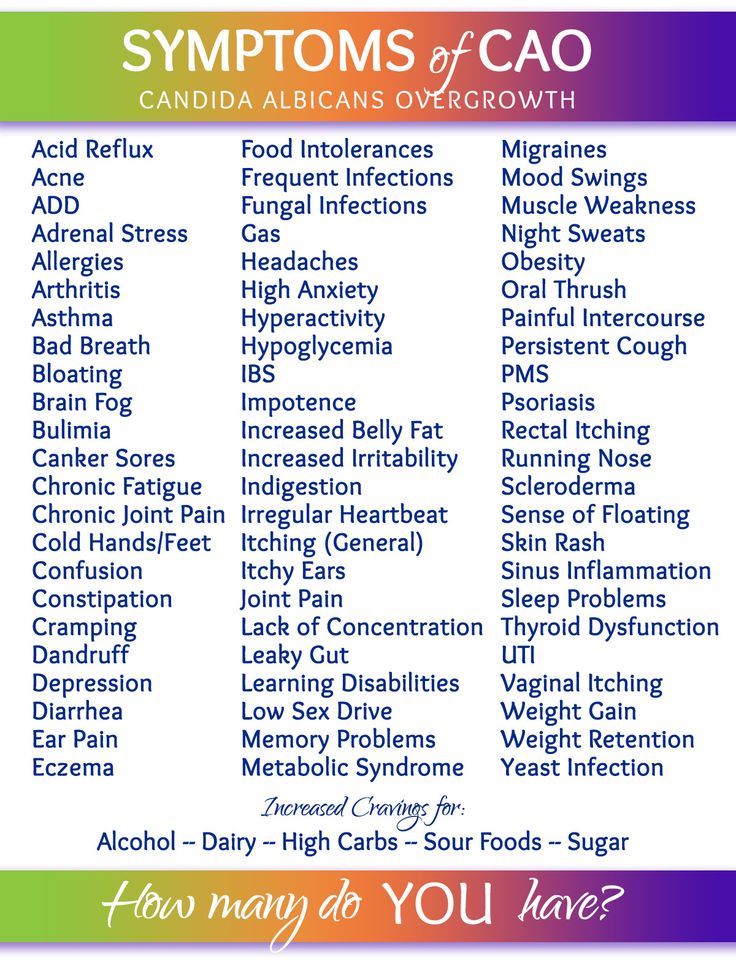
Candida overgrowth is a condition that occurs when there is an excessive growth of Candida, which is a type of yeast that naturally lives in our gut. In small amounts, Candida does not cause harm and can even be beneficial to the body; however, when its growth becomes uncontrolled, it can lead to various health problems.
One factor that contributes to Candida overgrowth is a diet high in sugar and refined carbohydrates. These foods provide the perfect breeding ground for yeast and encourage their growth. Additionally, antibiotics and other medications can disrupt the balance of bacteria in the gut, allowing Candida to thrive.
Common symptoms of Candida overgrowth include digestive issues such as bloating, gas, constipation or diarrhea. Individuals may also experience fatigue or brain fog due to the toxins produced by excess yeast in the body. Skin rashes and recurrent infections are also common signs of this condition.
To diagnose Candida overgrowth, doctors may perform blood tests or stool analyses for antibodies against specific types of yeasts present in our bodies. However, some experts argue that these tests are not always reliable indicators since everyone has some level of yeast living inside them.
Treatment for candidiasis often involves reducing consumption of sugary foods and refined carbohydrates while increasing intake of healthy fats like coconut oil or butter from grass-fed cows. Probiotics supplements containing Lactobacillus acidophilus have been shown effective at restoring balance within your gut microbiome by providing good bacteria strains necessary for optimal digestion and immune function.
Other natural remedies like apple cider vinegar (ACV) can help kill off excess fungus while simultaneously improving digestion because ACV contains powerful enzymes that break down food molecules into smaller particles so they’re easier on your stomach lining during absorption process.
In severe cases where these interventions fail to produce desired results within 2-3 weeks timeframe then antifungal treatments such as Nystatin or Fluconazole might be prescribed to help clear out the overgrowth.
In conclusion, Candida overgrowth is a condition that can cause various health problems if left untreated. A diet high in sugar and refined carbohydrates, as well as antibiotics and other medications, can contribute to uncontrolled yeast growth. Common symptoms of candidiasis include digestive issues, fatigue, brain fog, skin rashes and recurrent infections. Treatment often involves reducing consumption of sugary foods while increasing intake of healthy fats like coconut oil or butter from grass-fed cows. Additionally probiotics supplements containing Lactobacillus acidophilus have been shown effective at restoring balance within your gut microbiome by providing good bacteria strains necessary for optimal digestion and immune function.

Leave a Reply