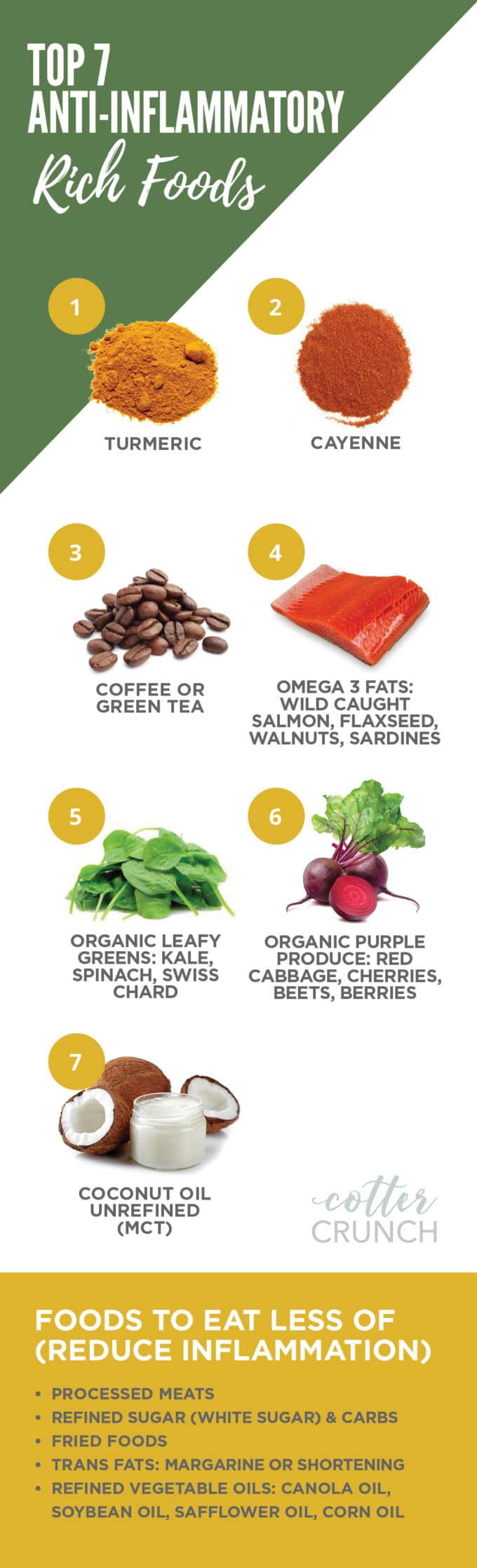
Inflammation is a natural response of our immune system to protect us from harmful stimuli such as infections, injuries or toxins. However, when inflammation becomes chronic, it can lead to various diseases including arthritis, heart disease, and even cancer. Luckily, certain foods have been found to possess anti-inflammatory properties which can help reduce chronic inflammation.
One group of anti-inflammatory foods are fruits and vegetables that are rich in antioxidants like Vitamin C and E. These include berries such as blueberries and strawberries; leafy greens such as spinach and kale; cruciferous vegetables like broccoli and cauliflower; citrus fruits such as oranges and grapefruits; along with tomatoes, peppers, sweet potatoes among others. Antioxidants neutralize free radicals in the body which contribute to inflammation.
Another group of anti-inflammatory foods are those high in omega-3 fatty acids. Omega-3s are known for their various health benefits including reducing inflammation. They can be found in oily fish such as salmon, sardines, herring mackerel along with flaxseeds (or linseeds), chia seeds and walnuts.
Spices also contain compounds that have potent anti-inflammatory effects. Turmeric contains curcumin which has been shown to be effective against chronic inflammation by inhibiting the activity of enzymes responsible for inflammatory processes in the body. Ginger is another spice that has been used traditionally for its medicinal purposes especially for its anti-inflammatory properties.
Lastly but not least important is olive oil which is a staple ingredient in Mediterranean cuisine where people tend to live longer than other populations due to their diet’s effect on lowering risk factors associated with many diseases including diabetes and heart disease among others. Olive oil contains oleocanthal which acts similarly to ibuprofen by blocking inflammatory pathways thus helping reduce chronic inflammation.
In conclusion incorporating these foods into your daily diet could go a long way towards reducing chronic inflammation thereby lowering your risk of developing related diseases while improving your overall health. It is essential to remember that these foods are not a substitute for medical treatment if you already have any chronic illness, and it’s always best to consult with your healthcare provider before making any substantial changes to your diet.

Leave a Reply