Gluten Sensitivity: What It Is and How to Deal with It
Gluten sensitivity is a condition where people experience adverse reactions after consuming gluten, a protein found in wheat, barley, rye, and other grains. While it’s not the same as celiac disease (an autoimmune disorder that damages the small intestine), gluten sensitivity can still cause discomfort and may lead to more severe consequences if left unchecked.
If you’re suspecting that you might have gluten sensitivity or are curious about this condition, here’s what you need to know:
Symptoms of Gluten Sensitivity
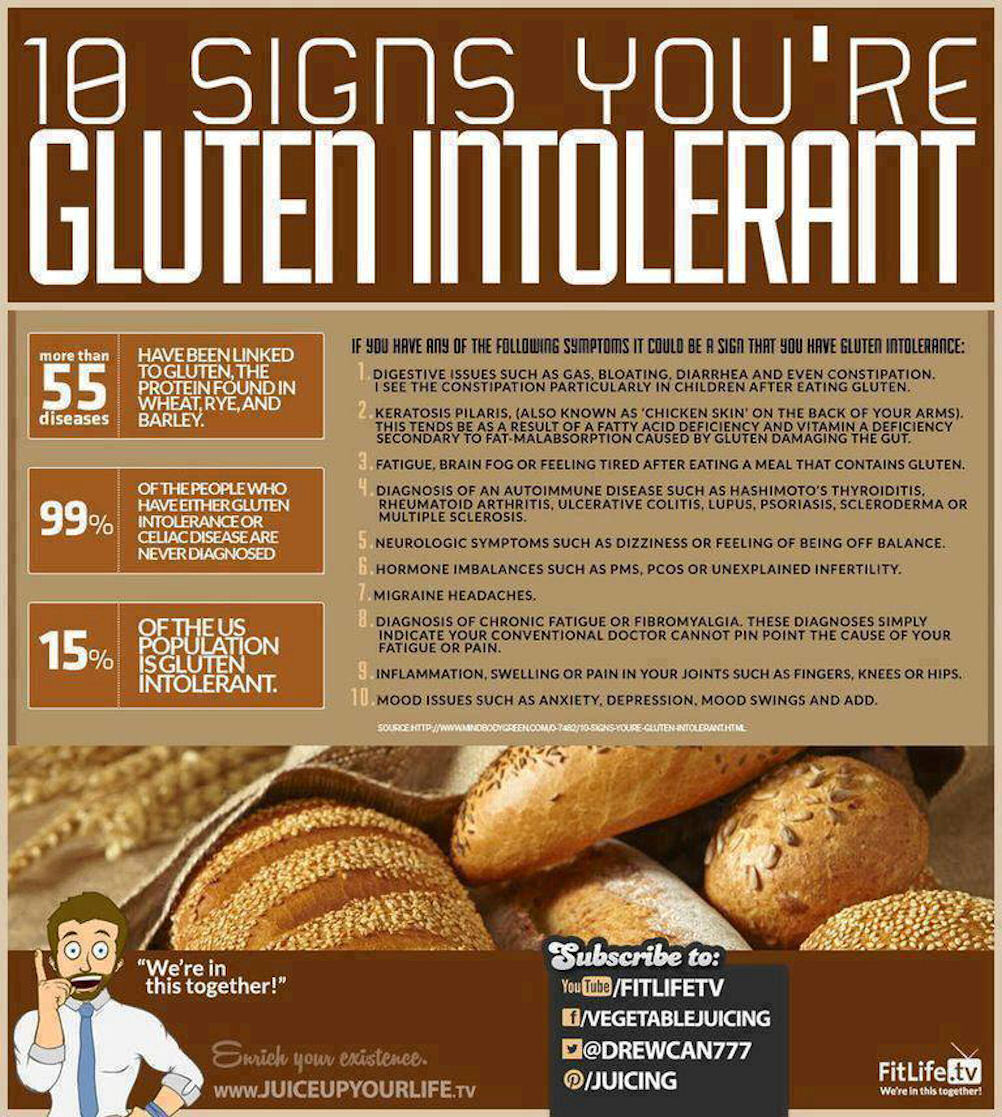
The symptoms of gluten sensitivity vary from person to person and can mimic those of other digestive disorders like irritable bowel syndrome (IBS). Some common signs include:
– Abdominal pain
– Bloating
– Diarrhea or constipation
– Nausea/vomiting
– Headaches/migraines
– Joint pain/stiffness
– Skin rash/eczema
These symptoms usually appear within hours or days after ingesting gluten-containing foods and may persist for several days.
Diagnosis
There’s no specific test yet that can accurately diagnose gluten sensitivity. Doctors usually rely on exclusionary methods by ruling out celiac disease and wheat allergy first before considering non-celiac gluten/wheat sensitivity (NCG/WS).
Some doctors also recommend an elimination diet where patients avoid all sources of gluten for at least two weeks then reintroduce them gradually while monitoring their symptoms. If symptoms recur upon reintroduction but disappear when they stop eating gluten again, then it’s likely that they have NCG/WS.
Treatment and Management
The only known treatment for NCG/WS is strict adherence to a gluten-free diet. This means avoiding all forms of wheat, barley, rye, malt, triticale (a crossbreed between wheat and rye), bulgur, couscous, farina/far semolina, semolina, spelt, and kamut.
Luckily, there are now plenty of gluten-free alternatives available in most grocery stores and restaurants. Some examples include:
– Rice
– Corn
– Quinoa
– Buckwheat
– Sorghum
– Teff
It’s important to note that some processed foods may contain hidden sources of gluten like soy sauce, beer, malt vinegar, and even some medications. Always check the label or ask the manufacturer to be sure.
Also, keep in mind that going gluten-free doesn’t necessarily mean you’re eating healthier. Gluten-free products can still be high in sugar, fat, and calories. It’s best to stick with whole foods like vegetables, fruits, lean protein sources (meat/fish/poultry/tofu), nuts/seeds/legumes for optimal nutrition.
Possible Complications
Untreated NCG/WS may lead to other health problems such as:
– Malnutrition due to poor absorption of nutrients from the gut
– Osteoporosis (bone loss) due to calcium deficiency caused by impaired digestion and absorption
– Anemia (low red blood cell count) due to iron deficiency caused by malabsorption
In addition, people with NCG/WS may also have a higher risk of developing certain cancers like lymphoma or intestinal adenocarcinoma later in life.
Therefore it’s crucial not to ignore your symptoms if you suspect you have gluten sensitivity. Consult your doctor for proper diagnosis and management as soon as possible.
Conclusion
Gluten sensitivity is a common condition that affects many people worldwide. Although it’s not as severe as celiac disease or wheat allergy, it can still cause discomfort and potentially lead to complications if left untreated.
The key is early recognition and strict adherence to a gluten-free diet while maintaining a healthy lifestyle overall. With proper management and care from healthcare providers combined with self-awareness on what we eat daily should you be able to live a healthy and fulfilled life despite having gluten sensitivity.

Leave a Reply