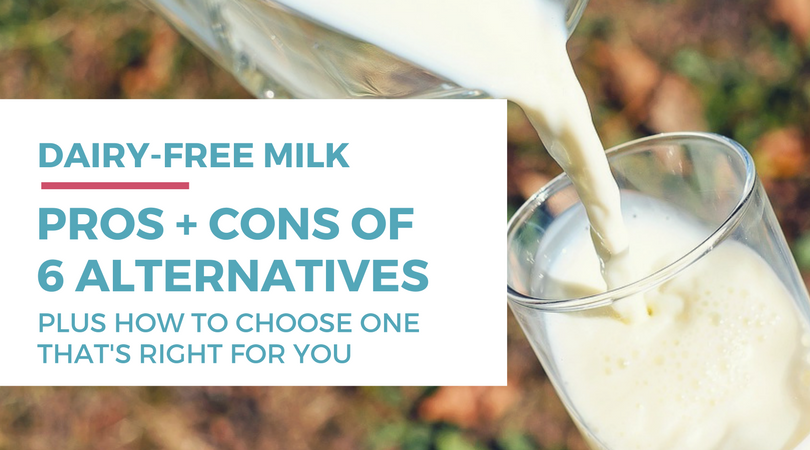
Dairy-Free: A Beginner’s Guide to Healthy Eating
If you’re looking for a way to improve your health and well-being, going dairy-free may be just the thing for you. Dairy products are known allergens that can cause digestive problems, skin issues, and other health concerns. By eliminating dairy from your diet, you can reduce inflammation in your body and improve overall gut health.
In this beginner’s guide to healthy eating without dairy, we’ll explore the benefits of going dairy-free and provide tips on how to make the transition into a healthier lifestyle.
Why Go Dairy-Free?
Firstly, what is dairy? Dairy refers to any product made from milk that comes from an animal such as cows, goats or sheep – including cheese, butter, yogurt or ice cream. While some people have no problem with consuming these products in moderation, others may experience negative side effects when they consume them regularly.
Lactose intolerance affects about 65% of the world’s population which means that many people have trouble digesting lactose (a sugar found in milk) leading to symptoms like bloating and diarrhea. Additionally, cow’s milk protein has been linked to allergies in both children and adults. Other potential side effects include acne flare-ups due to hormones present in milk products as well as digestive discomforts like IBS.
Going dairy-free can help alleviate these symptoms while also providing additional benefits like weight loss or improved nutrient absorption since a lot of calcium sources come from non-dairy foods too!
How To Transition Into A Dairy-Free Diet
Making changes isn’t always easy but it doesn’t have to be difficult either! Here are some tips on transitioning into a healthier lifestyle without feeling overwhelmed:
1) Start Slow: Don’t try cutting out all forms of dairy at once; instead gradually replace one item at a time until you’re comfortable with the taste/texture of its alternative e.g oat milk instead of regular cow’s milk.
2) Explore New Foods: Going dairy-free doesn’t mean you have to sacrifice taste or variety. There are plenty of delicious and nutritious foods that don’t contain any dairy such as fruits, vegetables, legumes e.g beans and lentils or nuts and seeds which can also be used to create plant-based milk alternatives.
3) Read Labels Carefully: Be mindful when grocery shopping by reading labels carefully to ensure the products you buy don’t contain any hidden sources of dairy such as casein (a type of protein found in milk), whey (another protein found in milk), or lactose.
4) Find Support: Joining a group like an online community for people who are going through the same transition can help motivate you and provide helpful tips on how to stay on track.
Healthy Dairy-Free Alternatives
There’s no need to worry about missing out on essential nutrients – there are plenty of healthy alternatives that can replace dairy products:
1) Milk Alternatives – Almond, soy, coconut, rice, oat milk etc
2) Cheese Alternatives – Vegan cheese made from nuts or vegetables
3) Yogurt Alternatives – Coconut yogurt or other non-dairy yogurts
4) Butter Alternatives – Vegan butter made from oils like olive oil
5) Ice cream alternatives – Sorbet made with fresh fruit puree instead of traditional ice cream
It’s worth noting that some non-dairy options may not be fortified with calcium so it is important to pay attention your diet overall and consider taking supplements if necessary.
Dairy-Free Eating Out
Eating out at restaurants doesn’t necessarily mean having limited options just because you’re going dairy-free. Here are some tips for navigating menus:
1. Look for vegetarian/vegan restaurants where they have separate menus without meat/dairy ingredients.
2. Do research ahead of time by checking restaurant websites beforehand for special dietary needs sections which may include vegan/gluten-free/dairy free options.
3. Ask the waiter for recommendations of dishes that are dairy-free or can be modified to be so.
4. Be mindful of sauces and dressings as they may contain hidden sources of dairy.
In Conclusion
Going dairy-free isn’t just about eliminating a food group from your diet, it’s also about exploring new foods, finding healthier alternatives and making positive changes towards a healthier lifestyle. By gradually transitioning into this way of eating you can reap the benefits such as better gut health, clearer skin and weight loss while still enjoying tasty meals!

Leave a Reply