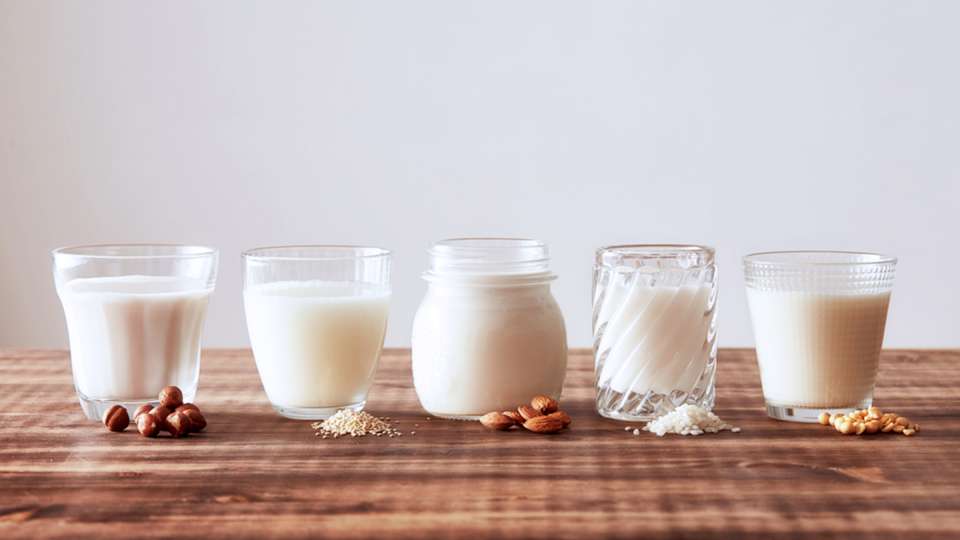
When it comes to non-dairy milk alternatives, the options seem endless. With so many choices available, it can be overwhelming to decide which one is right for you. In this article, we will explore some of the most popular non-dairy milk alternatives and their benefits.
Almond Milk
Almond milk is a popular choice among people looking for a dairy-free alternative. It’s made by blending almonds with water and straining out the solids. Almond milk has a nutty flavor and can be used in place of cow’s milk in recipes or as a standalone drink. It’s low in calories and high in vitamin E, making it an excellent choice for those looking to improve their skin health.
Soy Milk
Soy milk is another popular plant-based alternative that has been around for decades. It’s made by soaking soybeans, grinding them up, and mixing with water before being strained. Soy milk contains more protein than other non-dairy milks and is rich in calcium and vitamin D, making it an excellent option for vegans or those who are lactose intolerant.
Coconut Milk
Coconut milk is made from grated coconut meat blended with water then strained through cheesecloth or a fine mesh sieve. Coconut milk has a creamy texture and rich flavor that makes it ideal for use in curries or smoothies.
Oat Milk
Oat Milk is becoming increasingly popular due to its creamy texture and versatility when cooking with it! Oats are blended with filtered water then strained through cheesecloth before being bottled up! Oatmilk also contains beta-glucans which boost heart health!
Rice Milk
Rice Milk was one of the first Non-Dairy Milks on the market back in 2004 – Rice milk contains approximately 120 calories per serving but lacks protein compared to other Non-Dairy Milks.
In conclusion, there are many different types of non-dairy milk alternatives available, and each has its unique benefits. Whether you’re looking for a low-calorie option like almond or rice milk or a protein-rich alternative like soy milk, there is an option to suit your needs. Remember to always read the labels carefully before purchasing and consult with your doctor or dietician if you have any questions about incorporating non-dairy milks into your diet.

Leave a Reply