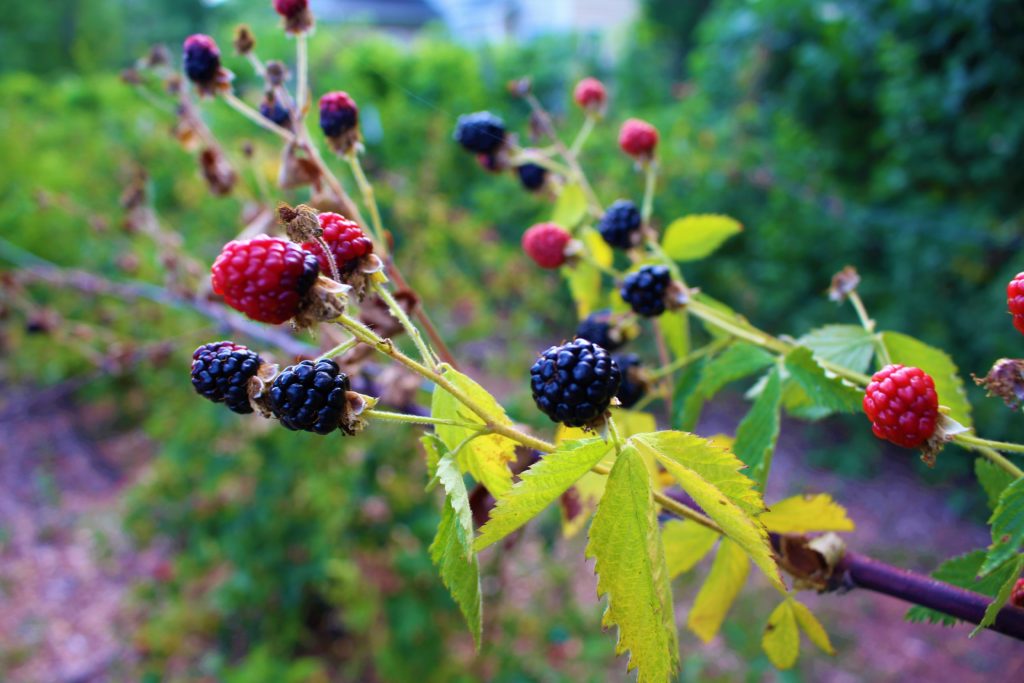
Blackberries have been a staple in North America for centuries, and their cultivation has a rich history that is worth exploring. From the early days of indigenous tribes to modern-day farming practices, blackberries have played an essential role in our diets.
Indigenous tribes were the first to cultivate blackberries in North America. The Cherokee tribe used blackberry leaves and roots as medicine to treat ailments such as dysentery, stomach cramps, and diarrhea. They also used them to make tea which was believed to ease labor pains during childbirth. The Iroquois tribe used blackberry root tea as a laxative.
The first Europeans arrived in North America in the 16th century, bringing with them their own varieties of blackberries from Europe. However, it wasn’t until the 19th century that commercial cultivation began on a large scale.
One of the most significant figures in the history of blackberry cultivation was Luther Burbank. Burbank was born in Massachusetts but moved to California where he established himself as one of the leading botanists of his time. He worked tirelessly on developing new strains of fruits and vegetables that were more disease-resistant and had higher yields than existing varieties.
In 1885, Burbank introduced his first thornless variety of blackberry called “Burbank.” This strain quickly became popular due to its lack of thorns and sweet flavor. It soon became clear that this new variety would revolutionize commercial production by making harvesting easier and less painful for farmworkers.
By the 1920s, several other cultivars had been developed by various growers across North America. These included Youngberry (a cross between raspberry and blackberry), Boysenberry (a cross between loganberry, red raspberry, and dewberry), Olallieberry (a cross between loganberry and youngberry) among others.
Today there are over 200 different varieties of cultivated blackberries grown worldwide with the United States being one of the largest producers. Blackberries are grown commercially in several states including California, Oregon, Georgia, Arkansas, Texas, and North Carolina.
Blackberries are not only delicious but also a healthy addition to our diets. They are low in calories but high in fiber and vitamin C. In fact, blackberries have more vitamin C than oranges! They also contain antioxidants that help protect against disease and may even reduce the risk of cancer.
When it comes to eating blackberries, there are many ways to enjoy them. They can be eaten fresh or used in recipes for jams, jellies, pies, cobblers or muffins. Blackberry juice is a popular drink and is often mixed with other fruits such as apple or peach.
In conclusion, the history of blackberry cultivation in North America is fascinating and goes back centuries. From indigenous tribes using them as medicine to modern-day commercial production on large scales – blackberries have come a long way. With their many health benefits and versatility in cooking – it’s no wonder they remain an essential part of our diet today!

Leave a Reply