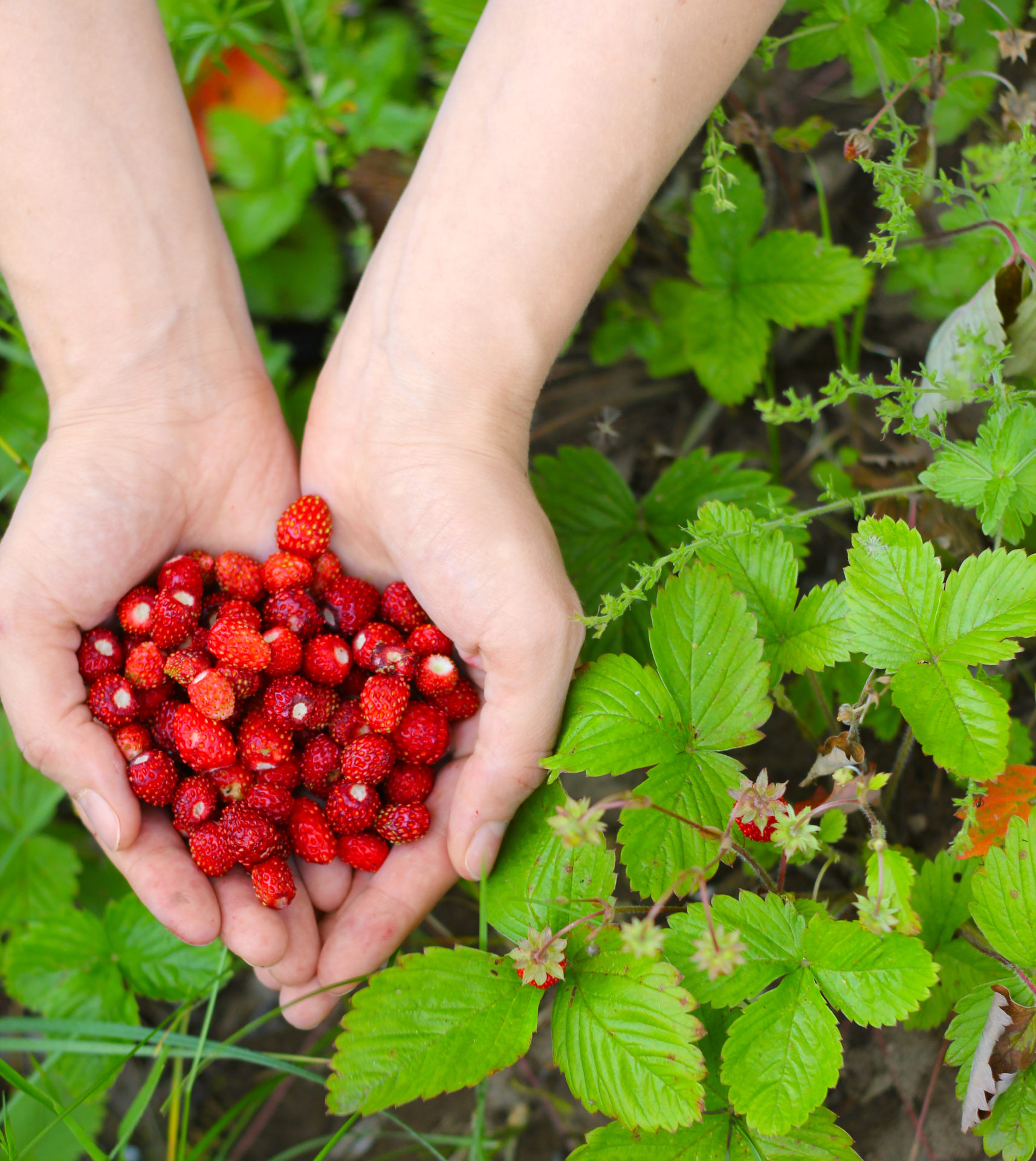
Foraging for Wild Edibles in Season: A Guide to Healthy Eating
Are you looking for a way to connect with nature and eat healthier at the same time? Foraging for wild edibles might be just what you need. Not only is it an enjoyable activity that gets you outdoors, but it can also provide an abundance of nutrient-rich foods that are free of pesticides and other chemicals.
Before embarking on your foraging adventure, there are a few things to keep in mind. First and foremost, make sure you have permission from the landowner before harvesting any wild plants. Additionally, take care not to damage the environment or disturb wildlife habitats as you gather food.
Now let’s take a look at some common wild edibles that can be found throughout various seasons:
Spring
As winter fades away and spring begins, many edible plants start emerging from the ground. Some popular options include:
– Dandelions: Often seen as a pesky weed in lawns, dandelions actually offer numerous health benefits. The leaves can be used in salads or cooked like spinach while the flowers can be made into tea or wine.
– Stinging nettle: Despite its prickly exterior, stinging nettle is a nutritional powerhouse filled with vitamins and minerals. It can be steamed or sautéed like spinach or added to soups and stews.
– Morel mushrooms: These highly prized mushrooms often appear in early spring after rain showers. They have a distinct flavor and texture that makes them excellent additions to sauces or served simply sautéed with butter.
Summer
Summer brings warmer weather along with new opportunities for foraging wild edibles:
– Blackberries: These juicy berries grow abundantly on thorny bushes along roadsides and trails during summer months. They’re perfect for snacking on their own or adding to smoothies.
– Elderflowers: The fragrant white flowers of elderberry trees bloom in early summer and can be used to make refreshing teas or syrups.
– Purslane: This leafy green is often considered a weed, but it’s actually packed with omega-3 fatty acids. It can be enjoyed raw in salads or cooked like spinach.
Fall
As the leaves begin to change colors and temperatures cool down, fall brings its own selection of wild edibles:
– Apples: Many apple trees grow wild in fields and along roadsides. They’re perfect for making pies, sauces, and other tasty treats.
– Acorns: While not typically thought of as food, acorns can actually be ground into flour or roasted for a nutty flavor.
– Wild grapes: These small juicy grapes are often found growing on vines along fences or trees. They’re great for snacking on their own or adding to fruit salads.
Winter
While many edible plants go dormant during winter months, some still offer opportunities for foraging:
– Rose hips: The bright red fruits that form after roses have bloomed contain high levels of vitamin C. They can be used to make tea or added to soups and stews.
– Wintergreen berries: These small red berries have a minty flavor and are often used in teas or as a seasoning in cooking.
– Pine needles: While not technically an edible plant, pine needles offer high levels of vitamin C when steeped as tea.
In Conclusion
Foraging for wild edibles is an excellent way to connect with nature while also enjoying healthy foods free from pesticides and chemicals. Remember always to get permission before harvesting any wild plants from private property; take care not damage the environment while gathering food so that you leave no trace behind.
With a little bit of knowledge about seasonal varieties available throughout spring, summer, fall and even winter – you’ll find that there’s something delicious waiting around every corner! So why not grab your basket today?

Leave a Reply