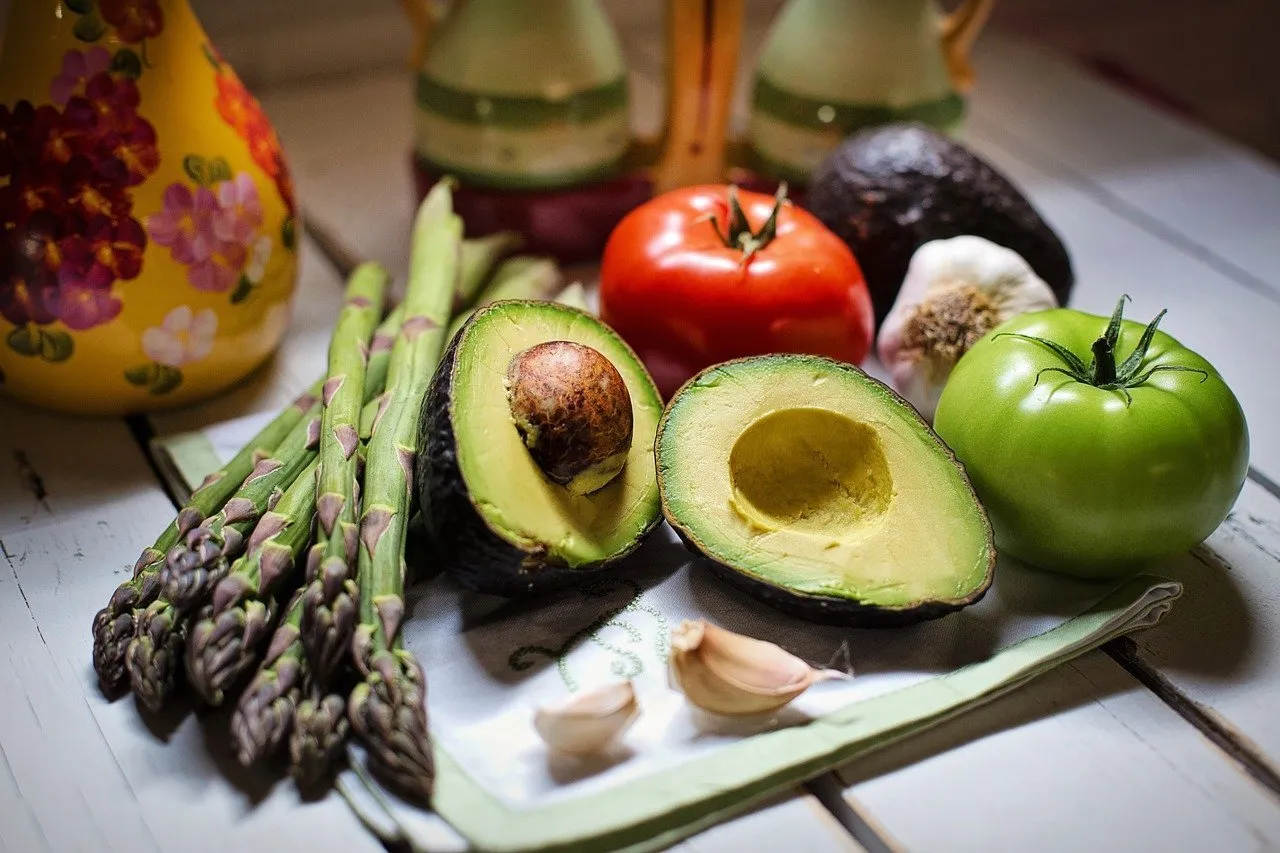
In recent years, there has been a significant increase in the number of people turning to veganism and vegetarianism as a way of life. Many choose this path for ethical reasons, while others opt for it because of health benefits. Regardless of the reason behind their choice, the fact remains that plant-based diets are gaining momentum worldwide.
As someone who has been on both sides of the spectrum – from being an avid meat lover to transitioning into a vegan lifestyle – I would like to share my journey with you.
The first question that comes to mind when thinking about veganism or vegetarianism is “why?” From my experience, most people switch over for one or more than one reason: animal welfare, environmental impact, or health benefits.
Animal Welfare
Most vegans and vegetarians shun meat due to concerns about animal welfare. The production of meat involves the breeding and slaughter of animals on an industrial scale. In many cases, these practices involve cruelty towards animals; this can be emotionally distressing for many people who aim to live compassionately.
Environmental Impact
Another factor driving many individuals towards plant-based diets is their concern over climate change. The livestock industry produces greenhouse gases that contribute significantly to global warming. By reducing our consumption of animal products or eliminating them altogether from our diet, we can reduce our carbon footprint and help mitigate climate change.
Health Benefits
Lastly, there are numerous health benefits associated with veganism and vegetarianism. Eating a predominantly plant-based diet has been linked with lower rates of heart disease, diabetes, obesity and some forms of cancer.
My Journey Towards Veganism
I grew up in a household where meat was always present at meal times- breakfast included! When I moved out on my own and started making my meals regularly without guidance from family members – I began experimenting with different foods including vegetables!
I slowly started cutting down on meats by replacing them with other sources such as beans,lentils,and tofu which had similar textures.
I began to notice a significant difference in both my physical and mental health. I felt more energized, clear-headed, and even lost some weight. When I researched the benefits of veganism further, it only confirmed what I already knew: this lifestyle was right for me.
Tips for Transitioning
If you are considering transitioning to a plant-based diet or just want to reduce your animal product consumption; here are some tips that may prove helpful:
1. Start by cutting down gradually
The transition from an omnivore to a vegan is not easy so start by making small changes at first. For instance, try having meat-free Mondays or switch out one meal per day with a vegetarian option.
2. Experiment with new foods
Don’t be afraid to step out of your comfort zone and try new things! Incorporating new ingredients will make the transition enjoyable instead of feeling like a chore.
3. Educate yourself about nutrition
It’s important that we get all the necessary nutrients our bodies need when following a plant-based diet – research nutrient-dense foods such as dark leafy greens and nuts/seeds .
4. Find Support
Having support from family members or friends who share similar lifestyles can make transitioning much easier than going through it alone.
5. Don’t Give Up!
Remember, everyone’s journey is different; if you slip up along the way don’t beat yourself up about it – just keep moving forward!
Conclusion
In conclusion- whether you choose veganism or vegetarianism due to ethical concerns towards animals,due to environmental impact ,or health reasons -there’s no denying that incorporating more plants into your diet has numerous benefits on multiple levels.
However, transitioning into this lifestyle requires patience and education since there’s no “one size fits all” approach when it comes to dietary needs.To make the process less daunting,start slowly while still incorporating variety in your meals ;you might be surprised how delicious and satisfying plant-based meals can be!

Leave a Reply