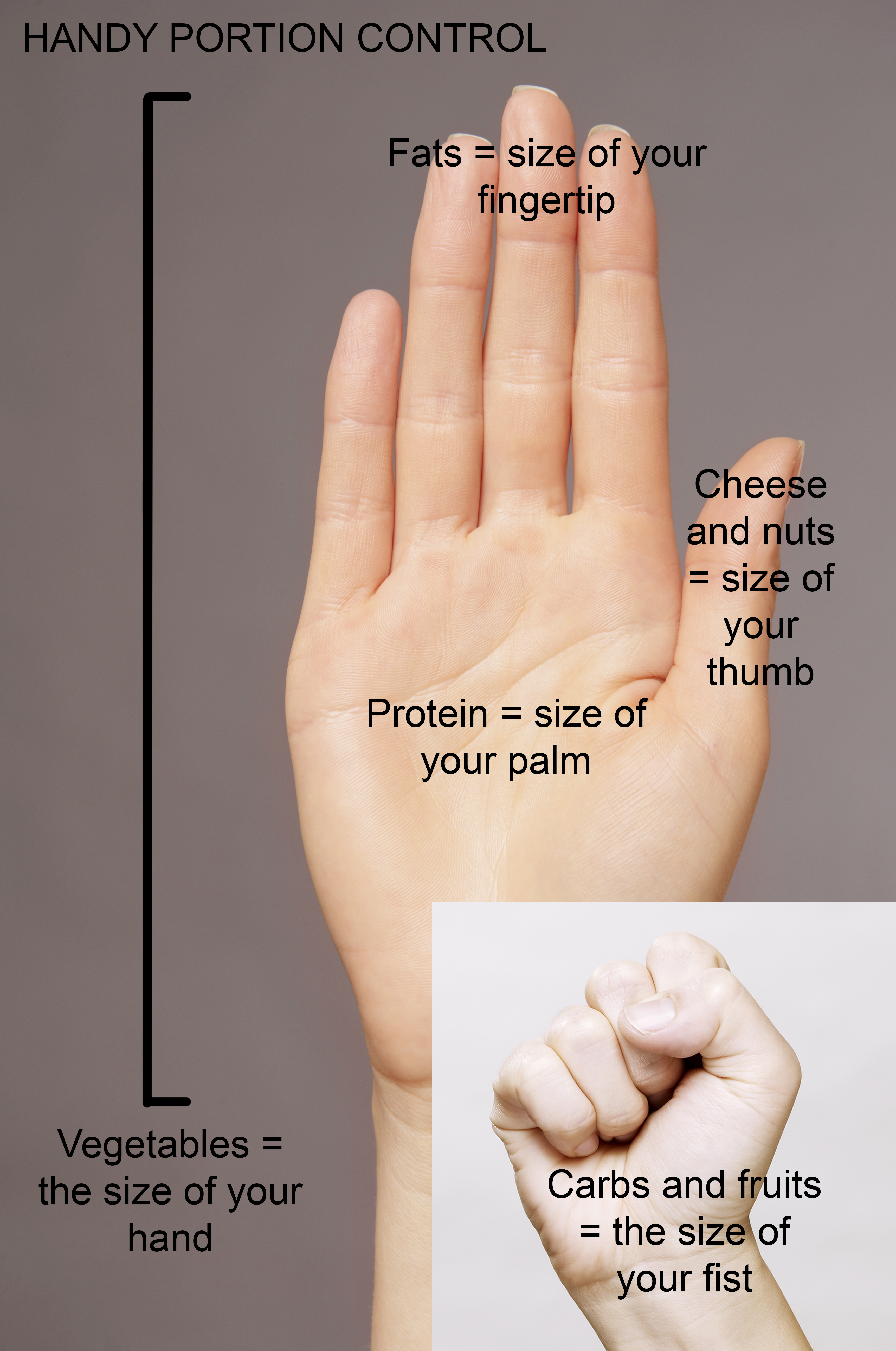
Portion control is a crucial aspect of healthy eating. Despite being aware of the benefits, many people struggle to maintain portion sizes that are appropriate for their nutritional needs. While there are various reasons why people may have difficulty controlling their portions, understanding the psychology behind this behavior can provide insight into how to overcome it.
One significant reason why individuals struggle with portion control is due to the way they perceive food and its role in life. For some, food serves as a source of comfort or reward, leading them to overeat or indulge in unhealthy snacks beyond what they need nutritionally. This mindset often leads individuals to take larger than necessary portions when serving themselves.
Another factor that influences portion control is the influence of our environment on our eating habits. The size of plates and bowls we use during meals can significantly affect how much we eat without us even realizing it. Studies have shown that people tend to consume more food when served on bigger plates or given larger glasses than when provided smaller ones.
Moreover, social pressure and peer influence often play an essential role in determining our eating habits and attitudes towards food consumption. For example, if someone is dining with friends who are all ordering large portions or indulging in high-calorie foods, they may feel compelled to follow suit rather than risk standing out from the group.
Finally, emotional triggers such as stress or boredom can cause individuals to engage in mindless snacking or overeating beyond what they require nutritionally. In these instances, people turn towards food as a means of coping with emotions rather than addressing them directly.
So how can you effectively manage your portion sizes despite these psychological factors? One strategy is through mindful eating practices like paying attention to hunger cues and savoring each bite consciously instead of rushing through mealtimes distractedly. Additionally, using smaller dishes and utensils while avoiding distractions like television screens during mealtimes could help reduce unconscious overeating tendencies caused by environmental factors.
In conclusion, overcoming the psychological barriers to portion control requires a combination of self-awareness and mindfulness practices. By addressing emotional triggers, peer influence, and environmental factors like plate sizes, individuals can take a positive step towards managing their portions effectively. With these strategies in place, healthy eating habits that support physical wellness become more achievable for everyone.

Leave a Reply