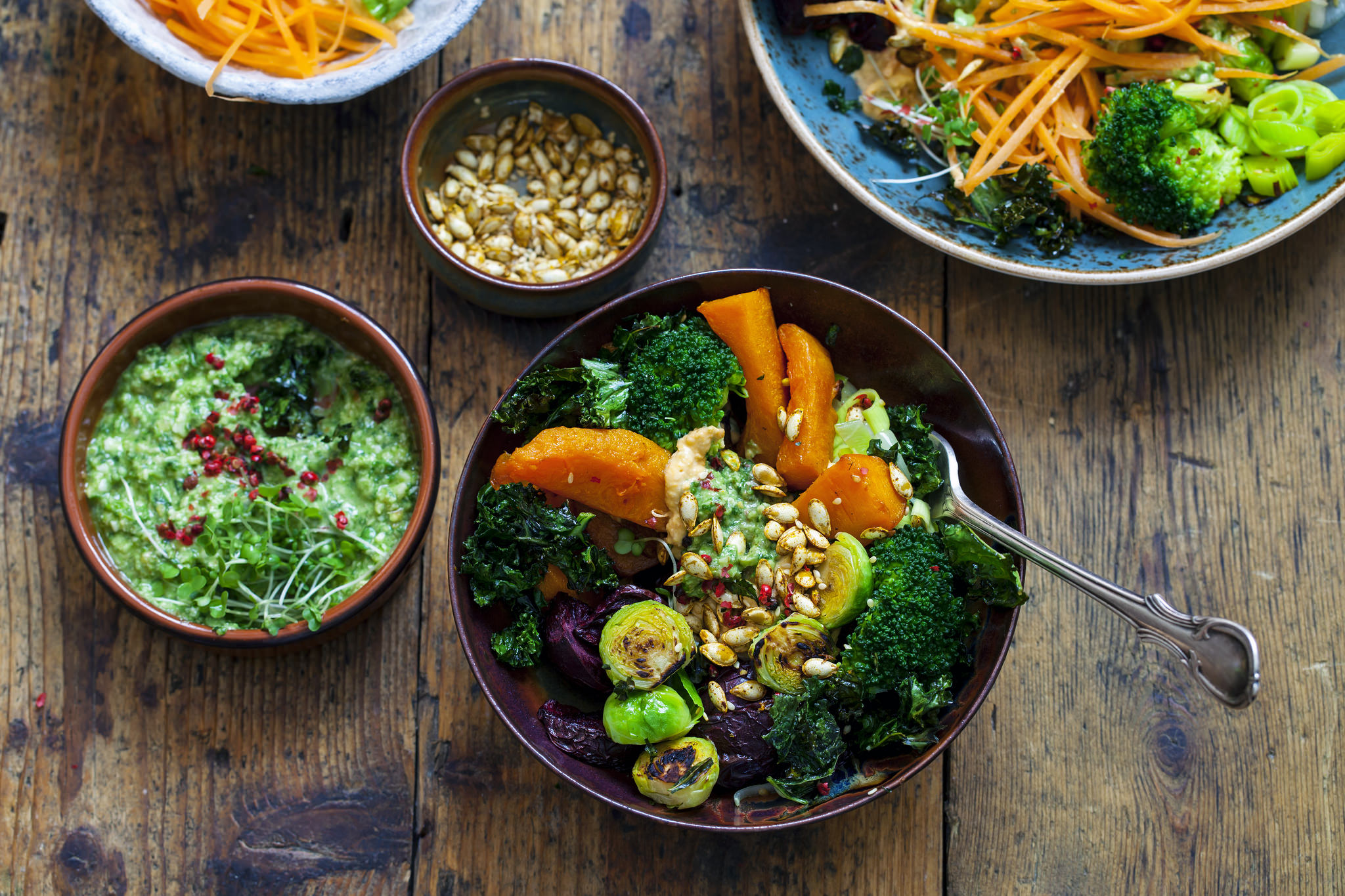
Nutrient-dense Foods: A Comprehensive Guide
Eating healthy is essential to maintaining good health and preventing chronic diseases. Nutrient-dense foods are an excellent way to provide your body with the necessary vitamins, minerals, and nutrients it needs to function correctly. In this article, we will explore nutrient-dense foods and their various benefits.
What are Nutrient-Dense Foods?
Nutrient-dense foods are primarily whole or minimally processed food items that contain high amounts of vitamins, minerals, fiber, antioxidants, and other beneficial substances for our bodies. These types of foods typically pack a lot of essential nutrients into a small number of calories.
Examples of Nutrient-Dense Foods:
1. Leafy Greens
Leafy greens such as spinach, kale, collard greens, Swiss chard are packed with nutrients like iron calcium vitamin K folate magnesium and so on.
2. Berries
Berries like blueberries strawberries raspberries blackberries contain antioxidants which have anti-inflammatory properties that help in reducing the risk for several diseases like cancer cardiovascular disease diabetes etc
3. Nuts & Seeds
Nuts such as almonds cashews walnuts pistachios seeds such as pumpkin seeds sunflower seeds chia seeds flaxseeds contain healthy fats protein fiber vitamins minerals also they lower cholesterol levels reduce inflammation improve heart health etc.
4. Whole Grains
Whole grains include brown rice quinoa oats barley millet bulgur wheat pasta bread made from whole-grain flour these are high-fiber complex carbohydrates which slow down digestion keeping you full longer regulate blood sugar levels lower chronic disease risk factors.
5. Legumes
Legumes include beans lentils chickpeas peas soybeans etc these are high-protein low-fat sources of carbohydrates fiber vitamins minerals phytonutrients legume consumption can reduce the risk for several chronic diseases type 2 diabetes hypertension heart disease colon cancer etc.
Benefits of Eating Nutrient-Dense Foods:
1. Reduced Risk of Chronic Diseases
Eating nutrient-dense foods can help reduce the risk of chronic diseases such as heart disease, type 2 diabetes, and cancer.
2. Improved Digestion
Nutrient-dense foods contain high amounts of fiber, which is essential for maintaining a healthy digestive system.
3. Increased Energy Levels
Nutrient-dense foods provide our bodies with the necessary nutrients to function correctly, leading to increased energy levels throughout the day.
4. Weight Maintenance
Eating nutrient-dense foods can help maintain a healthy weight by providing satiety and reducing calorie intake.
5. Enhanced Mood
Studies have shown that eating nutrient-dense foods can improve mood and decrease symptoms of depression and anxiety.
Tips for Incorporating Nutrient-Dense Foods into Your Diet:
1. Start Small
Incorporating nutrient-dense foods into your diet doesn’t have to be overwhelming or difficult; start small by adding one or two new items each week.
2. Experiment with New Recipes
Trying out new recipes is an excellent way to incorporate nutrient-dense foods into your diet while keeping things exciting in the kitchen.
3. Meal Prep
Meal prepping is a great way to ensure that you always have nutritious meals on hand during busy times or when you’re feeling too tired to cook from scratch every day.
4. Reduce Processed Food Consumption
Reducing processed food consumption in favor of whole or minimally processed food items is an excellent way to incorporate more nutrient-dense foods into your diet.
Conclusion:
Overall, incorporating more nutrient-dense foods into your diet is an easy way to improve overall health and reduce the risk of chronic diseases like heart disease, type 2 diabetes, and cancer. Remember that it’s all about moderation; don’t feel guilty about indulging in less-nutritious choices occasionally! By making small changes over time, you’ll start seeing significant improvements in your health and well-being.

Leave a Reply