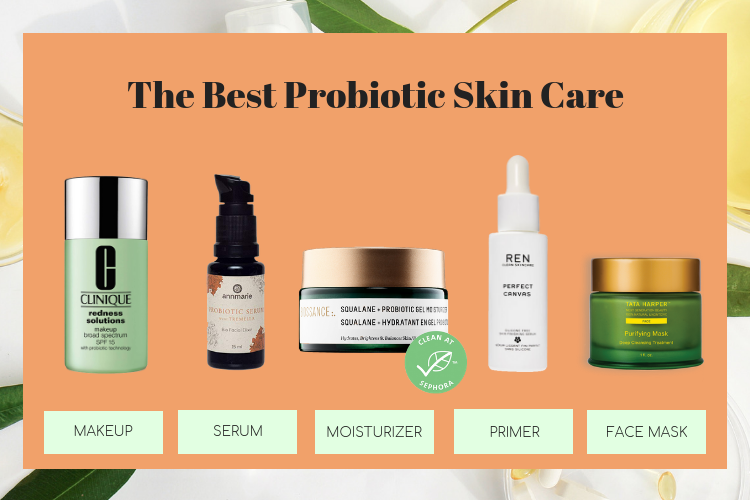
Probiotics have been gaining attention in recent years for their potential health benefits. These live microorganisms are known to improve gut health and boost the immune system, but they can also be beneficial for skin health.
What are Probiotics?
Probiotics are live bacteria and yeast that are good for your digestive system. They help keep your gut healthy by balancing the levels of good and bad bacteria in your body. When there is an imbalance in your gut microbiome, it can lead to a range of health problems such as digestive disorders, skin conditions, allergies, and even mental health issues.
How Probiotics Help Skin Health
The health of our skin is directly related to the balance of bacteria on its surface. Probiotics help promote a healthy balance of bacteria on our skin by preventing harmful pathogens from taking over. They also stimulate the production of antimicrobial peptides that fight off infection-causing microbes.
Probiotics have been shown to reduce inflammation in the body which plays a key role in many skin ailments including acne, rosacea, eczema, and psoriasis. By reducing inflammation within the body probiotics could alleviate symptoms associated with these conditions such as redness or itching.
Research has found that topical application or ingestion of probiotics can improve the appearance and texture of one’s skin by enhancing collagen production leading to better hydration levels resulting in glowing healthy-looking skin.
Types Of Probiotic For Skin Health
There are many types of probiotics available on the market today specifically formulated for skincare purposes:
Lactobacillus acidophilus: This strain helps soothe irritated dry or flaky skin while promoting moisture retention within tissues leading to better hydration levels overall.
Bifidobacterium bifidum: This type helps prevent UV damage caused by sun exposure; some studies suggest this strain could increase elasticity levels making it ideal when targeting fine lines or wrinkles associated with aging complexion.
Lactococcus lactis: This strain is known for its ability to fight acne-causing bacteria that can lead to breakouts.
Streptococcus thermophilus: This type of probiotic has been shown to protect the skin from environmental damage and help improve overall skin texture.
How To Incorporate Probiotics Into Your Skincare Routine
There are many ways you can incorporate probiotics into your skincare routine. One way is through topical application in the form of serums, creams, or masks containing active cultures. These products will work by delivering live bacteria directly onto the surface of your skin leading to a more balanced microbiome.
Another way is by ingesting supplements designed specifically for improving gut health and providing beneficial bacteria for our bodies. When our digestive system works effectively it promotes healthy-looking clear skin from within.
Probiotic-rich foods like fermented vegetables such as kimchi, kefir, kombucha tea amongst others are also great sources of good bacteria that promote better gut health which in turn leads to improved complexion with regular intake.
Conclusion
In conclusion, probiotics have an array of potential benefits when incorporated into one’s skincare routine. They can help prevent inflammation while promoting hydration levels resulting in healthier-looking glowing skin over time. With various strains available on the market today we encourage you to speak with your dermatologist or healthcare practitioner before incorporating them into your daily regimen as some may not be suitable depending on allergies or individual needs.

Leave a Reply