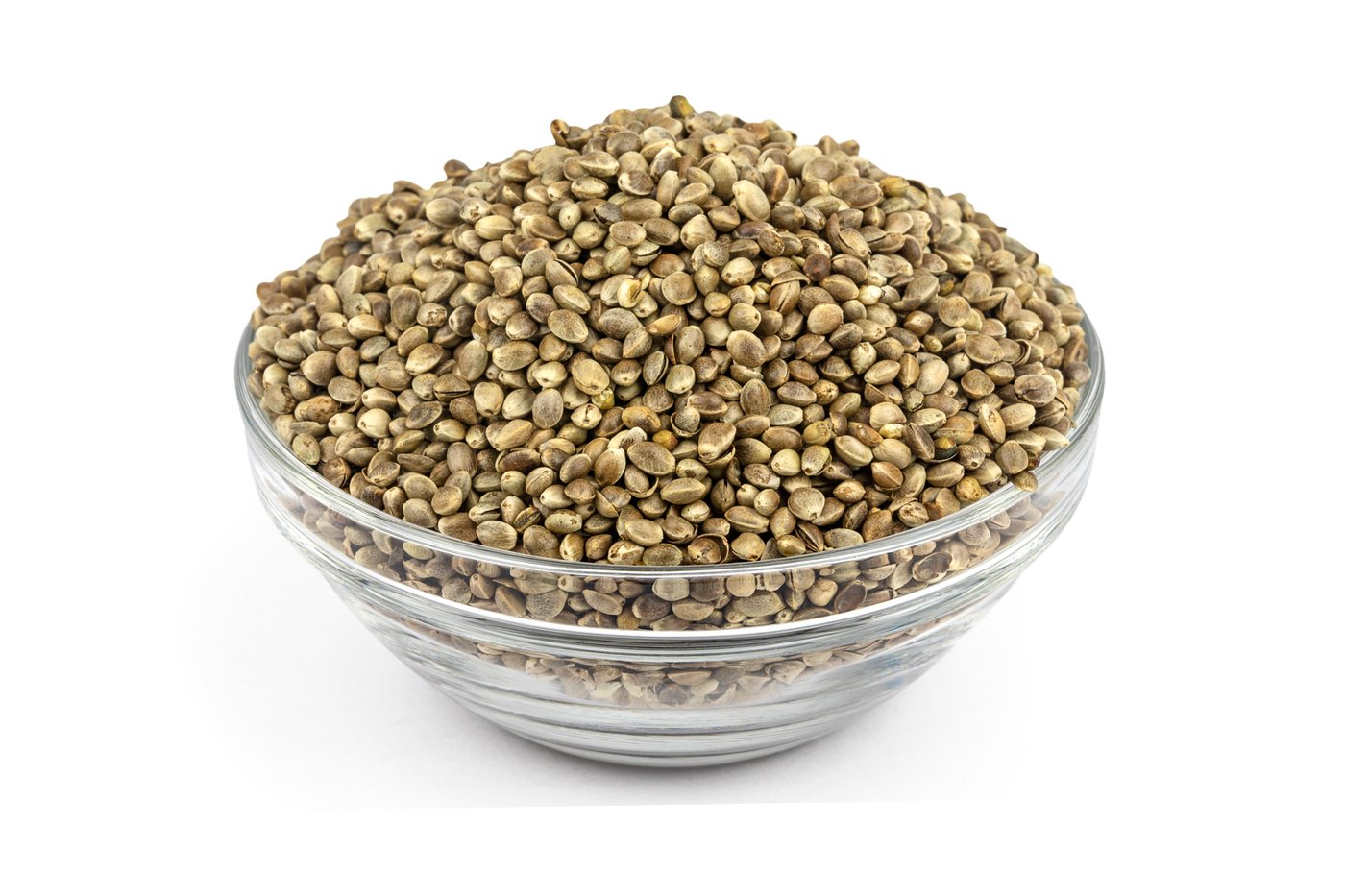
Hemp has been a hot topic in recent years, with plenty of debate surrounding its legality and potential benefits. However, what many people don’t realize is that hemp has actually been used as a food source for thousands of years.
In fact, evidence suggests that humans have been using hemp seeds as a food source since the Neolithic era. Ancient Chinese texts from around 2800 BCE detail how to use hemp seeds to make various foods and medicines. The plant was also used by ancient Egyptians and other cultures throughout history for both medicinal and culinary purposes.
So why did hemp fall out of favor as a food source? Well, it all comes down to politics. In the early 20th century, anti-cannabis propaganda led to widespread fear-mongering about the supposed dangers of marijuana (a related plant), which caused many countries to outlaw not only marijuana but also any plants within the cannabis family – including industrial hemp.
Despite this setback, interest in hemp as a food source never completely died out. In recent years, there has been renewed interest in incorporating this nutrient-dense plant into our diets – and for good reason! Hemp seeds are an excellent source of protein (containing all nine essential amino acids), fiber, healthy fats (including omega-3s), vitamins B and E, iron, magnesium, potassium and zinc.
But beyond its impressive nutritional profile, what makes hemp such an exciting addition to any diet is its versatility. Hemp can be used in a variety of forms – from oil to milk – making it easy to incorporate into almost any dish or recipe.
One popular way people consume hemp today is through adding hulled or shelled hemp seeds into their meals or snacks. These small but mighty seeds can be sprinkled on top of salads or roasted vegetables for added texture and flavor. They can also be blended into smoothies or mixed into oatmeal for an extra boost of nutrition!
Another common form that hemp takes is in the form of hemp oil. Hemp oil is made by cold-pressing the seeds to extract the oil, which can then be used in dressings or as a cooking oil. It has a nutty flavor and contains high amounts of essential fatty acids.
Hemp milk – made from blending hemp seeds with water – is also becoming increasingly popular among plant-based eaters looking for an alternative to dairy milk. Hemp milk boasts a rich and creamy texture that’s perfect for adding to smoothies, coffee, tea or even cereal.
But wait – what about CBD? As many people know, cannabidiol (CBD) is a compound found in cannabis plants – including industrial hemp – that has been touted for its potential health benefits. While CBD itself isn’t typically consumed as food (it’s usually taken as an extract or supplement), it’s worth noting that some foods containing CBD are starting to hit the market – such as gummies or other treats infused with CBD.
So there you have it – while hemp may have had a rocky history due to politics and propaganda, there’s no denying that this plant offers some serious nutritional benefits when incorporated into our diets! Whether you’re looking to add some extra protein and healthy fats to your meals or simply want to try something new, give hemp a try – your taste buds (and body) will thank you!

Leave a Reply