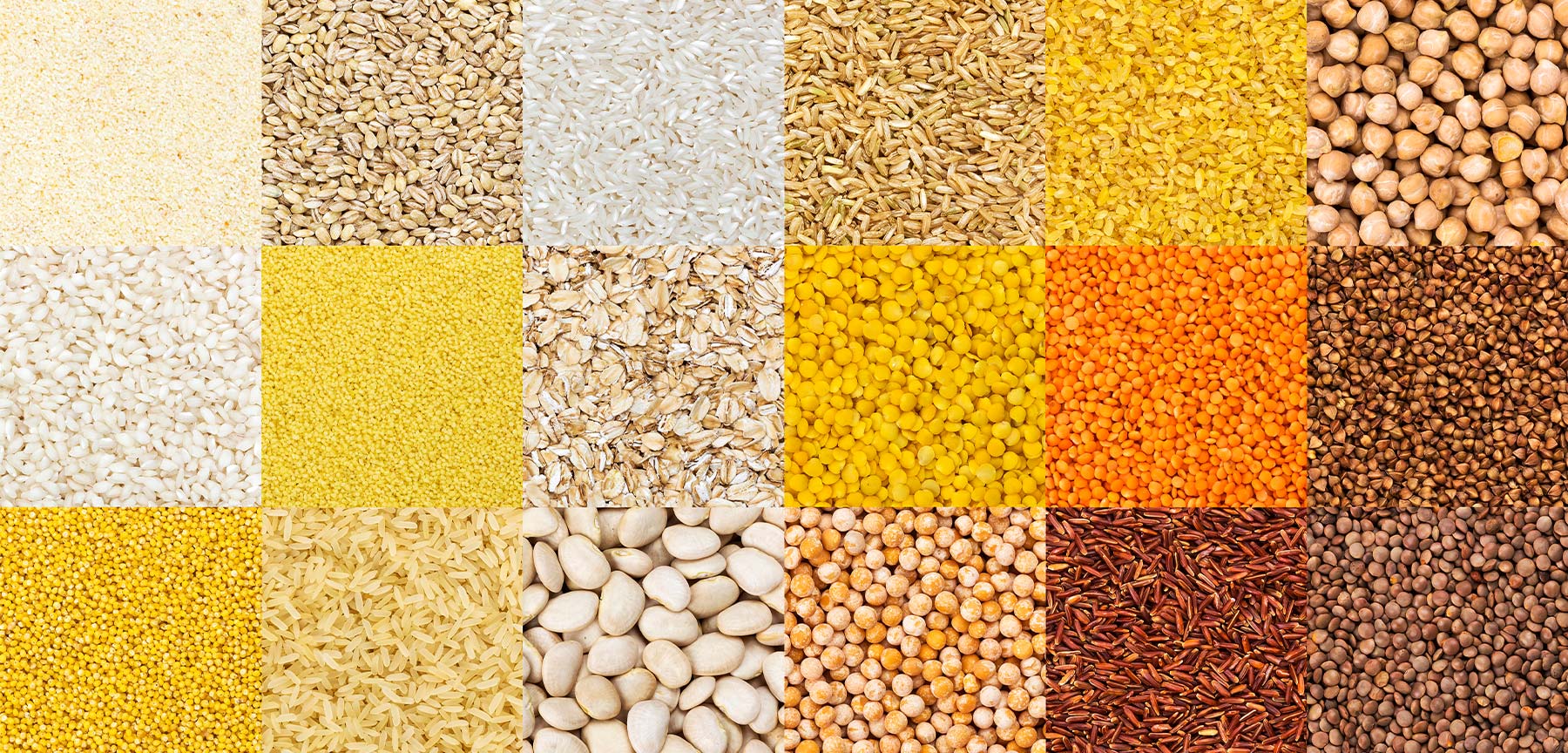
Ancient grains have become quite popular in recent years, and for good reason. These grains are not only delicious but also incredibly nutritious. They have been a staple food source for thousands of years and were the primary source of nourishment for many ancient civilizations.
So, what exactly are ancient grains? Ancient grains are those that have not undergone significant changes over time due to crossbreeding or genetic modification. They include quinoa, millet, amaranth, spelt, kamut, teff, farro, and freekeh.
These grains offer several health benefits that make them an excellent addition to any healthy diet. Here are some reasons why you should consider incorporating ancient grains into your diet:
High in Nutrients
Ancient grains contain essential vitamins and minerals that our body needs to function correctly. For instance, quinoa is rich in protein and contains all nine essential amino acids required by our bodies. Farro is high in fiber and vitamin B3 while teff provides iron and calcium.
Gluten-Free Options
Many ancient grains such as quinoa and millet are gluten-free alternatives to wheat-based products like bread or pasta. This makes them an excellent option for people with celiac disease or gluten sensitivity.
Low Glycemic Index
Most ancient grains have a low glycemic index (GI) which means they do not cause a rapid spike in blood sugar levels after consumption compared to refined carbohydrates like white bread or rice. This makes them more suitable than other carbohydrates for individuals trying to manage their blood sugar levels like diabetic patients.
Improved Digestion
The high fiber content found in most ancient grain varieties helps improve digestion by promoting regular bowel movements while reducing constipation risk.
Variety of Flavors
Each variety of the grain has its unique flavor profile which can add excitement when cooking different meals with them as ingredients.
Now let’s take a closer look at some popular types of ancient grains:
Quinoa
Quinoa has gained popularity in recent years due to its high protein content and versatility. It’s an excellent source of fiber, magnesium, iron, and calcium. Quinoa is gluten-free and can be used as a substitute for rice or pasta.
Millet
Millet is another gluten-free ancient grain that is rich in essential nutrients such as magnesium, manganese, phosphorus, and tryptophan. It’s also a good source of antioxidants which help protect the body against damage caused by free radicals.
Amaranth
Amaranth contains lysine – an essential amino acid that most grains do not have. It’s also high in protein, fiber, iron, zinc and vitamin B6.
Spelt
Spelt is an ancient wheat variety that retains more nutrients than modern wheat due to its husk (outer layer) remaining intact during processing. It contains significant amounts of fiber while being low in fat compared to other grains.
Kamut
Kamut is a type of wheat that originated from Egypt over 5000 years ago. It contains selenium – a mineral known to protect the body against oxidative stress while reducing inflammation risk.
Teff
Teff originates from Ethiopia where it’s been consumed for thousands of years as porridge or bread staple food.
It’s high in resistant starch which means it doesn’t get fully digested but instead ferments within our digestive system resulting in healthier gut bacteria composition
Farro
Farro has been around since ancient Rome times where it was considered a sacred grain and offered during religious ceremonies.
It’s rich in complex carbohydrates providing sustained energy throughout the day while keeping us feeling full for longer periods between meals.
In conclusion, incorporating ancient grains into your diet can provide several health benefits besides making your meals more diverse with their unique flavor profiles.
They offer improved digestion rates thanks to higher fibre content they have compared to refined carbohydrate alternatives like white bread or rice.
The best part? You can easily find them at your local grocery store or online retailer!

Leave a Reply