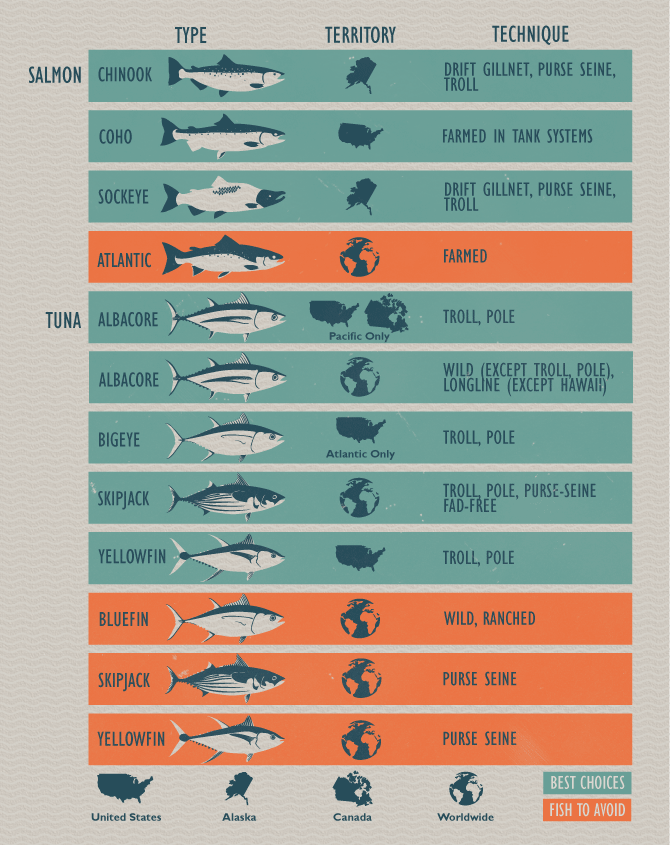
Sustainable seafood choices have become increasingly important in our efforts to protect the ocean’s delicate ecosystem while still maintaining a healthy diet. With over 3 billion people relying on seafood as their primary source of protein, it is essential that we make informed decisions about what fish we consume and how it was caught.
One way to ensure sustainable seafood consumption is by looking for certifications from reputable organizations such as the Marine Stewardship Council (MSC) or Aquaculture Stewardship Council (ASC). The MSC certifies wild-caught fish based on strict sustainability criteria, while the ASC ensures responsible farming practices for farmed seafood. By choosing products with these labels, consumers can be confident they are supporting environmentally friendly fishing practices and contributing to better management of fisheries worldwide.
Another crucial factor in making sustainable seafood choices is considering the species’ population levels. Some types of fish are more vulnerable to overfishing than others due to their slow growth rates or low reproductive rates. For example, Atlantic cod populations have been severely depleted due to centuries of overfishing, and certain populations may take decades or even centuries to recover fully. On the other hand, species like Pacific sardines or Alaskan salmon tend to reproduce quickly and thus can sustain higher levels of fishing pressure if managed appropriately.
To help consumers navigate which species are most sustainable for consumption, several organizations offer guides that rate various types of fish based on factors such as population health, fishing methods, and habitat destruction. One popular guide is Monterey Bay Aquarium’s Seafood Watch program, which offers regional recommendations based on local fisheries’ sustainability status.
In addition to selecting sustainable species and certification labels when purchasing seafood products, it is equally important to consider how the product was caught or farmed. Fishing methods vary widely in terms of environmental impact; some techniques cause less harm than others but may not yield as much catch per unit effort. For example, trolling lines used for catching albacore tuna have low bycatch rates and minimal environmental damage compared to trawling nets, which can harm the seafloor and capture unintended species.
Similarly, aquaculture practices range from environmentally friendly to highly destructive. Some fish farms use open net pens in oceans or rivers that can pollute nearby waters with excess feed, feces, and antibiotics. In contrast, land-based recirculating systems or closed-containment tanks eliminate many of these issues but may require more energy input for operation.
Ultimately, making sustainable seafood choices is about balancing our desire for a healthy diet with responsible stewardship of our ocean’s resources. By selecting certified products from well-managed fisheries or farms using eco-friendly methods of catch or cultivation, we can help ensure that future generations will be able to enjoy seafood while protecting the planet’s fragile marine ecosystems.

Leave a Reply