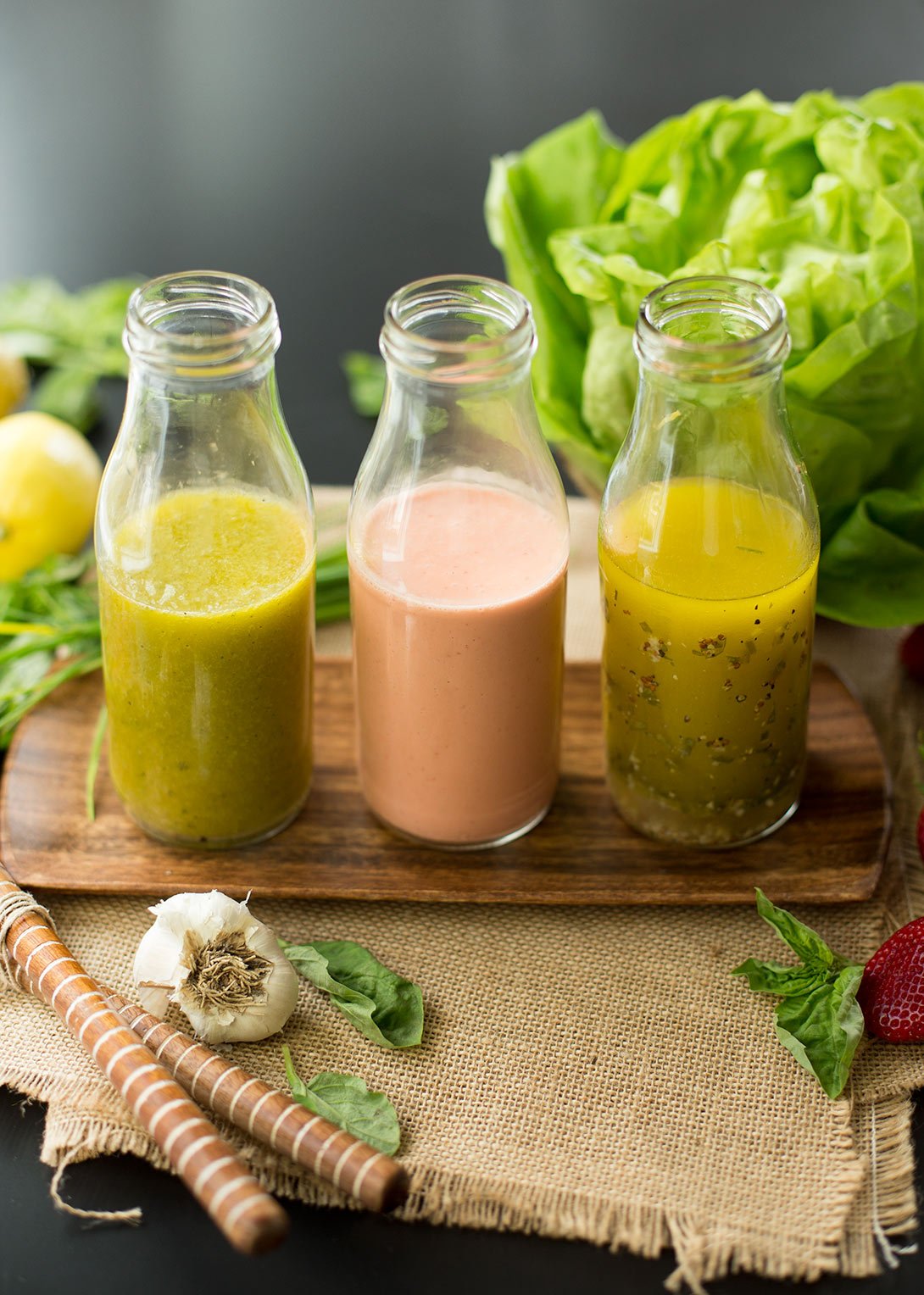
When it comes to healthy eating, salads are a popular choice. They’re low in calories and packed with nutrients, making them an excellent way to maintain a healthy weight while getting all the vitamins and minerals your body needs. But let’s face it: plain old lettuce can get pretty boring after a while.
That’s where salad dressings come in. Not only do they add flavor and variety to your salads, but many of them also offer health benefits of their own. In this post, we’ll take a look at some of the most common types of salad dressings and the ingredients that go into them.
Vinaigrette Dressings
One of the most popular types of salad dressing is vinaigrette. Vinaigrettes are made by mixing oil with an acidic ingredient such as vinegar or lemon juice. The ratio of oil to acid can vary depending on personal preference, but most recipes call for about three parts oil to one part acid.
The type of oil used in vinaigrettes can also affect its taste and health benefits. Olive oil is often used because it’s rich in heart-healthy monounsaturated fats, but other oils like avocado or walnut oil can be used as well.
Acidic ingredients like balsamic vinegar or apple cider vinegar not only add flavor but also provide health benefits such as aiding digestion and reducing inflammation.
Creamy Dressings
If you prefer a creamier dressing on your salads, there are plenty of options available too! Creamy dressings usually start with a base ingredient like mayonnaise or sour cream mixed with other flavorful ingredients like herbs or spices.
While creamy dressings tend to be higher in fat than vinaigrettes, there are lighter options available made with lower-fat dairy products like Greek yogurt or cottage cheese.
Ranch dressing is one example that has been around for decades and remains incredibly popular today despite being high in calories due to its creamy texture. However, there are lighter versions available that use low-fat sour cream or yogurt instead of mayonnaise.
Marinades
Another way to add flavor to your salads is by using marinades. Marinades are mixtures of oil, acid, and seasonings used to flavor meat or vegetables before cooking them.
While marinades are typically associated with grilling and barbecue recipes, they can also be used to infuse flavor into salad ingredients like tofu or chickpeas.
Some popular marinade ingredients include soy sauce, citrus juice, honey, and garlic. These ingredients not only add flavor but also offer health benefits such as boosting the immune system and reducing inflammation.
Asian Dressings
If you’re a fan of Asian cuisine, you might enjoy adding some Asian-style dressings to your salads. Soy sauce-based dressings are common in Japanese cuisine and often contain other flavorful ingredients like ginger or sesame oil for added depth.
Miso paste is another ingredient commonly found in Japanese dressings that adds a salty umami flavor along with probiotics beneficial for gut health. Meanwhile, Chinese-inspired dressings often feature an array of savory spices such as five-spice powder or Sichuan peppercorns for a bold punch of flavor.
Italian Dressings
Italian dressing is another classic salad topping that has been around for decades. Typically made with a blend of olive oil, vinegar (usually red wine vinegar), garlic powder, dried oregano leaves and sometimes Dijon mustard; Italian dressing offers plenty of antioxidants from herbs like basil and oregano which have anti-inflammatory properties while the vinegar content helps regulate blood sugar levels among other benefits.
Many store-bought Italian dressings contain high amounts of sodium so it’s important to read labels carefully if choosing this option.
Conclusion
Salad dressings can make healthy eating more enjoyable by adding variety and flavors without sacrificing nutritional value.
Whether you prefer vinaigrettes, creamy dressings, or Asian-inspired marinades, there are plenty of options available to suit your taste preferences.
Just remember that not all salad dressings are created equal. Some can be high in calories and sodium, so it’s important to read labels carefully.
Making your own salad dressing at home is a great way to control the ingredients and ensure you’re getting the health benefits you want without sacrificing flavor. So grab some oil, vinegar, and your favorite seasonings and get creative!

Leave a Reply