Healthy Fats: Essential Nutrients for a Balanced Diet
When it comes to healthy eating, the word “fat” often gets a bad reputation. However, not all fats are created equal. In fact, some types of fat can actually be beneficial to our health and should be included in our daily diet.
What are Healthy Fats?
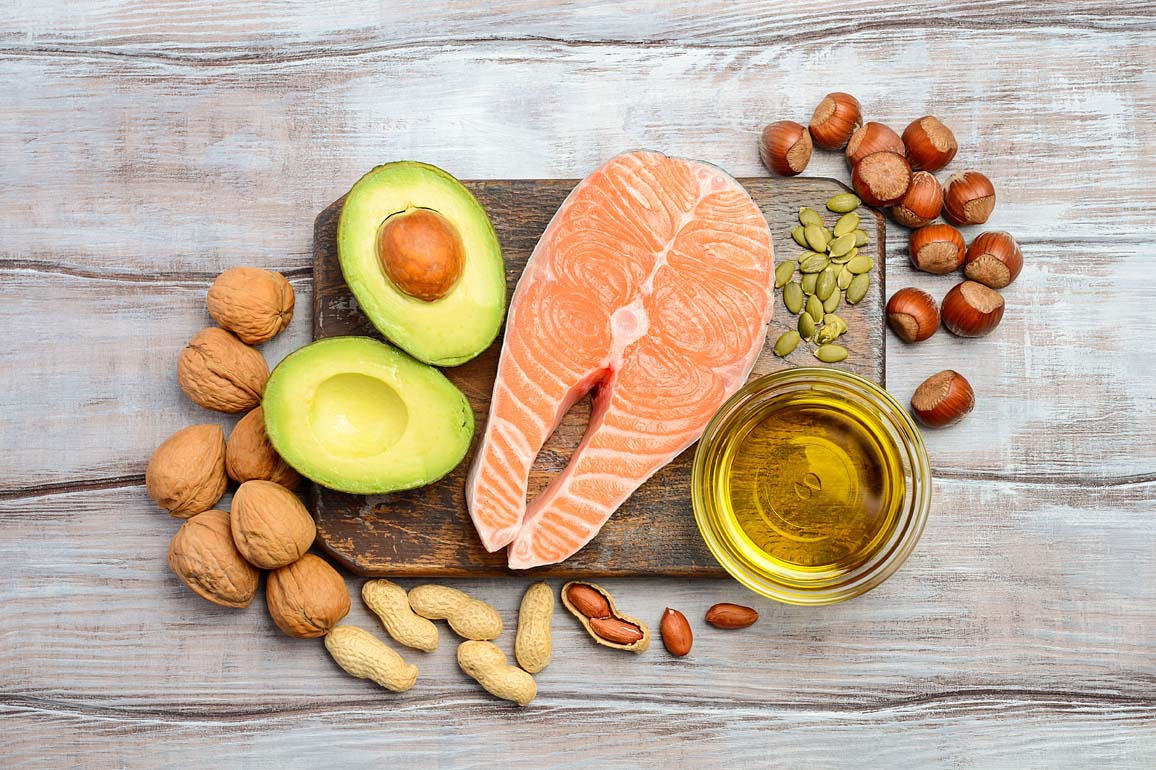
Healthy fats are monounsaturated and polyunsaturated fats that help reduce inflammation and lower the risk of heart disease when consumed in moderation. These types of fat are found in plant-based foods such as nuts, seeds, avocados, olive oil, fatty fish like salmon or tuna and their oils.
Saturated fats on the other hand which come from animal sources such as meat and dairy products have been linked to increased cholesterol levels leading to cardiovascular diseases if consumed excessively.
Benefits of Healthy Fats
1. Improve Heart Health
Studies have shown that consuming a diet rich in healthy fats reduces low-density lipoprotein (LDL) cholesterol levels while increasing high-density lipoprotein (HDL) cholesterol levels which is beneficial for heart health.
2. Help with Weight Loss
Healthy fats promote satiety – feeling full after meals – which helps control hunger pangs between meals resulting in fewer calories intake throughout the day ultimately aiding weight loss efforts.
3. Boost Brain Function
Fatty acids like omega-3s found in oily fish aid cognitive function by improving memory recall and mental flexibility while reducing dementia risk over time.
4. Support Hormone Balance
Fat cells play an important role in producing hormones that regulate appetite among other things; therefore including healthy dietary fats into one’s diet supports hormonal balance resulting improved mood & energy levels especially during menstruation cycles for women.
Best Sources of Healthy Fats
Below we will explore some great sources of healthy fats you can include into your daily meal plans:
1. Nuts & Seeds
Nuts and seeds are packed with monounsaturated and polyunsaturated fats, vitamins, minerals, and fiber. Adding a variety of nuts such as almonds, pistachios, walnuts or seeds like pumpkin or chia seeds into meals can add flavor and texture while being healthy.
2. Avocado
Avocados are rich in heart-healthy monounsaturated fats that help lower LDL cholesterol levels while increasing HDL cholesterol levels. They also contain water-soluble fibers which aid digestion making them an ideal addition to salads at lunchtime.
3. Fatty Fish
Fatty fish such as salmon or tuna are packed with omega-3 fatty acids which promote brain function and reduce inflammation in the body resulting in better cardiovascular health.
4. Olive Oil
Olive oil is high in monounsaturated fat which helps improve blood cholesterol levels when consumed regularly as part of a balanced diet. It can be used for cooking or drizzled over salads after cooking for added flavor.
5. Coconut Products
Coconut products like coconut milk/cream/oil contain medium-chain triglycerides (MCTs) – a type of saturated fat that’s easily digestible by the body providing quick energy boosts without spiking insulin levels keeping hunger pangs at bay during fasting periods aiding weight loss efforts.
Incorporating Healthy Fats Into Your Diet
Now that we have reviewed the benefits of healthy fats let’s discuss ways you can incorporate these nutrient-rich foods into your daily meal plans:
1. Swap Out Processed Foods For Whole Foods
Processed foods often contain unhealthy trans-fats so swapping out processed snacks with healthier options such fruit dipped in peanut butter or raw vegetables with hummus dip is a great way to incorporate more healthy fats into one’s diet.
2. Use Healthier Oils When Cooking
Instead of using vegetable oils opt for healthier oils like olive oil when cooking at home since it contains monounsaturated fat which improves blood cholesterol level compared to vegetable oils that contain unhealthy trans fats.
3. Add Nuts and Seeds to Your Daily Diet
Adding nuts and seeds to your daily diet is an easy way to incorporate more healthy fats into your meals while also boosting fiber intake which aids digestion.
4. Eat Fatty Fish Twice a Week
Eating fatty fish like salmon or tuna twice a week can provide ample amounts of omega-3 fatty acids promoting brain health and reducing inflammation in the body resulting in better cardiovascular health.
5. Incorporate Coconut Products into Your Meal Plan
Coconut products like coconut oil/milk/cream can be used as a dairy substitute for baking, cooking, or added to smoothies for added flavor and texture.
Conclusion
Incorporating healthy fats into one’s diet has numerous benefits such as improved heart health, weight loss, hormone balance support among other things therefore it’s important we include these nutrient-rich foods for optimal results. By adding items like nuts & seeds, avocado, fatty fish, olive oil or coconut products into our daily meal plans we can ensure our bodies are getting all the nutrients needed for good health.

Leave a Reply