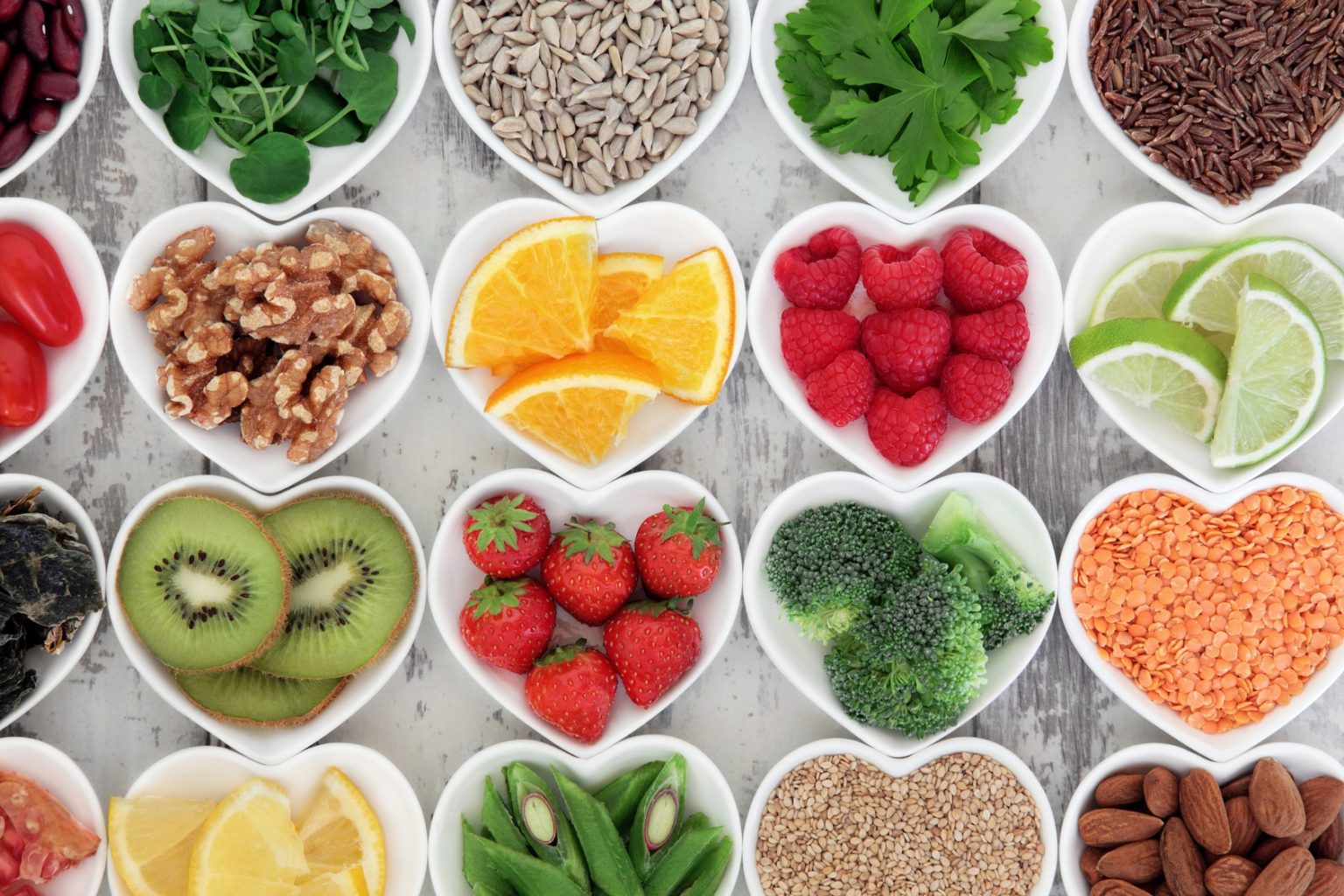
As humans, we all have different needs and requirements for our bodies to function at their best. One of the most important ways to ensure that we are healthy is by consuming essential vitamins and minerals on a daily basis.
Vitamins and minerals play an essential role in maintaining good health, which is why incorporating them into your diet should be a top priority. These nutrients help with everything from regulating bodily functions, to promoting growth and development, to fighting off infections.
There are 13 vitamins that are essential for human health: A, B (including B1,B2,B3,B5,B6,B7,B9,and B12), C,D,E,K. Each vitamin has its own unique benefits.
Vitamin A
This vitamin is crucial for eye health as it helps maintain good vision during low light conditions. Vitamin A also plays a vital role in skin cell formation, immune system support, and bone growth.
Sources: Sweet potatoes, carrots, pumpkin, spinach
B Vitamins
The group of B vitamins plays an important role in energy production within the body by breaking down carbohydrates into glucose which provides fuel for our cells. They also help regulate mood and reduce stress levels while supporting brain function.
Sources: Whole grains like brown rice or oats; meat products such as poultry or fish; dairy products like milk or cheese
Vitamin C
An antioxidant powerhouse that helps to protect against damage caused by free radicals in the body while also aiding in collagen formation – making it great for skin health!
Sources: Citrus fruits like oranges or grapefruit; vegetables such as bell peppers or broccoli
Vitamin D
Critical nutrient required for strong bones as it aids calcium absorption within the body – especially beneficial during childhood when bone development is high priority!
Sources: Sunlight exposure on skin produces Vitamin D naturally but can also be found fortified foods including milk or cereal
Vitamin E
Another powerful antioxidant that protects cells from oxidative stress , reduces inflammation, and helps skin health.
Sources: Nuts like almonds or peanuts, seeds such as sunflower or pumpkin; leafy greens like spinach
Vitamin K
Helps with blood clotting and supports bone health by regulating calcium within the body.
Sources: Leafy greens like kale or spinach; fermented foods like sauerkraut
While vitamins are essential for a healthy body, minerals play just as important of a role. There are seven primary minerals that our bodies need in order to maintain optimal functionality: Calcium, Magnesium, Phosphorus,Potassium,Sodium,Zinc,Iron.
Calcium
This is the most abundant mineral found in our bones and teeth. It’s crucial for maintaining strong bones while also aiding muscle function and nerve transmission.
Sources: Dairy products such as milk or cheese; dark leafy greens like kale or bok choy
Magnesium
Essential mineral required for over 300 biochemical reactions within the body including protein synthesis ,muscle contraction/relaxation ,and supporting brain function .
Sources – Whole grains including brown rice or quinoa; nuts such as almonds or cashews
Phosphorus
Plays an important role in building strong bones along with helping regulate energy production on cellular level .
Sources – Meat products such as poultry or fish ; whole grains including wheat bran
Potassium
Crucial electrolyte that aids muscle contractions while also balancing fluids within the body which regulates blood pressure levels .
Sources- Bananas ; potatoes (with skin), lentils
Sodium
A mineral that plays a key role in fluid balance throughout the body but too much can lead to high blood pressure so it’s best to consume in moderation .
Sources : Table salt , processed foods
Zinc
When it comes to immune system function this little mineral packs quite punch! Zinc also plays a vital role in DNA synthesis along with wound healing capabilities .
Sources – Oysters ; beef, pumpkin seeds
Iron
This mineral is essential for blood formation as it helps to transport oxygen throughout the body.
Sources: Red meat including beef or lamb; dark leafy greens like spinach
Incorporating a wide variety of whole foods into your diet such as fruits , vegetables, nuts, and lean meats should provide you with all the vitamins and minerals necessary for optimal health . If there are concerns about not getting enough nutrients from your diet alone then considering incorporating a multivitamin supplement could be beneficial.
In conclusion, while some people may view daily vitamin intake as unnecessary or an inconvenience – these essential nutrients play an important role in maintaining good health. Taking care of your body by consuming the necessary vitamins and minerals is key to living a healthy life!

Leave a Reply