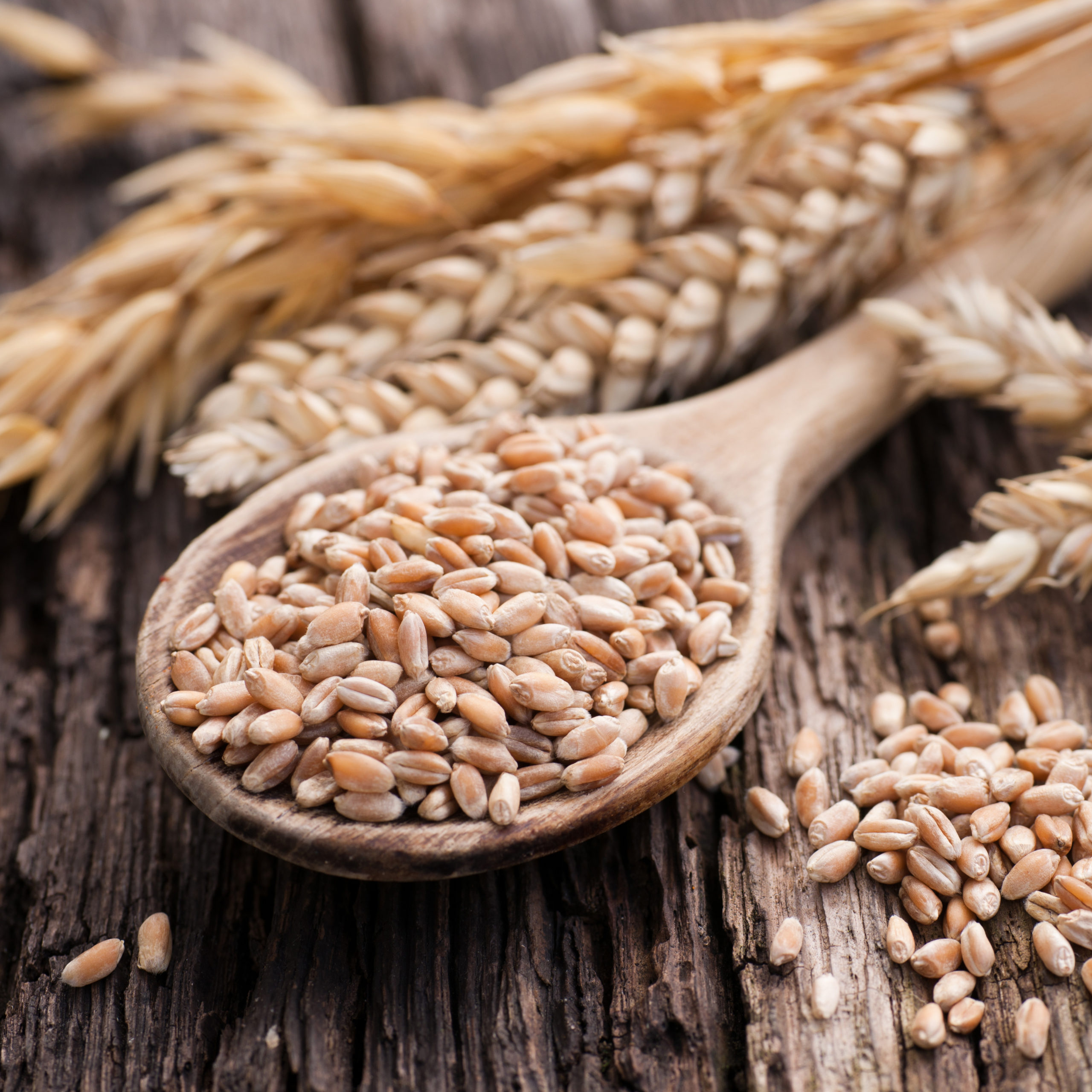
When it comes to healthy eating, whole grains should definitely be on your plate. They’re a great source of fiber and nutrients that help keep you full and energized throughout the day.
But let’s face it – when most people think of whole grains, they picture bland, cardboard-tasting foods that are about as exciting as watching paint dry. Well, I’m here to tell you that whole grains can actually be pretty darn delicious!
First off, let’s talk about the different types of whole grains available. There are plenty out there to choose from, including:
1. Oats: These are a classic breakfast food that pack a serious punch in terms of nutrition. They’re high in fiber and protein and can help lower cholesterol levels.
2. Quinoa: This trendy grain is actually a seed but is often categorized with other whole grains due to its nutrient profile. It’s gluten-free and contains all nine essential amino acids.
3. Brown rice: A staple in many cuisines around the world, brown rice is an excellent source of manganese and selenium.
4. Whole wheat: This versatile grain can be found in everything from breads to pastas and has been shown to improve heart health.
5. Barley: Don’t overlook this underrated grain – it’s packed with fiber and has been linked to improved blood sugar control.
Now that we’ve covered some basic information about these superfoods let’s move onto some fun ways to incorporate them into your diet!
One easy way is by swapping out refined grains for their whole-grain counterparts whenever possible – think brown rice instead of white or quinoa instead of couscous (which isn’t really a grain anyway!) Another way is by incorporating more breakfast foods like oatmeal or granola into your routine– both make for hearty meals that will give you lasting energy throughout the morning.
Whole-grain breads also offer endless possibilities when it comes to sandwiches or toast toppings. Try adding avocado, hummus, or almond butter to a slice of whole wheat toast for a delicious and nutritious meal.
And let’s not forget about pasta – there are plenty of whole-grain varieties out there that taste just as good (if not better!) than their refined counterparts. Plus, they’ll keep you feeling full longer thanks to all that fiber.
But what if you’re in the mood for something sweet? Fear not – whole grains can satisfy your sweet tooth too! Whole-grain flours like oat flour or spelt flour can be used in baking recipes to add a nutty flavor and boost nutrition. And let’s not forget about everyone’s favorite breakfast food: pancakes! Try using buckwheat flour instead of white flour for an extra boost of nutrients.
Finally, it bears mentioning that when choosing products with whole grains be sure to read labels carefully. Just because a product says “whole grain” doesn’t necessarily mean it’s healthy–it could still contain added sugars or unhealthy fats. Look for products with minimal ingredients and avoid anything containing hydrogenated oils or other artificial additives.
So next time someone tells you that eating healthy is boring, remember all the amazing things you can do with whole grains! From savory dishes like stir-fry bowls to sweet treats like muffins made with almond flour; there really is no limit on how creative one can get while enjoying these superfoods.
In conclusion, incorporating more whole grains into your diet is an easy way to improve overall health without sacrificing taste or enjoyment. With so many delicious options available these days, there’s never been a better time to start reaping the benefits of this dietary staple!

Leave a Reply