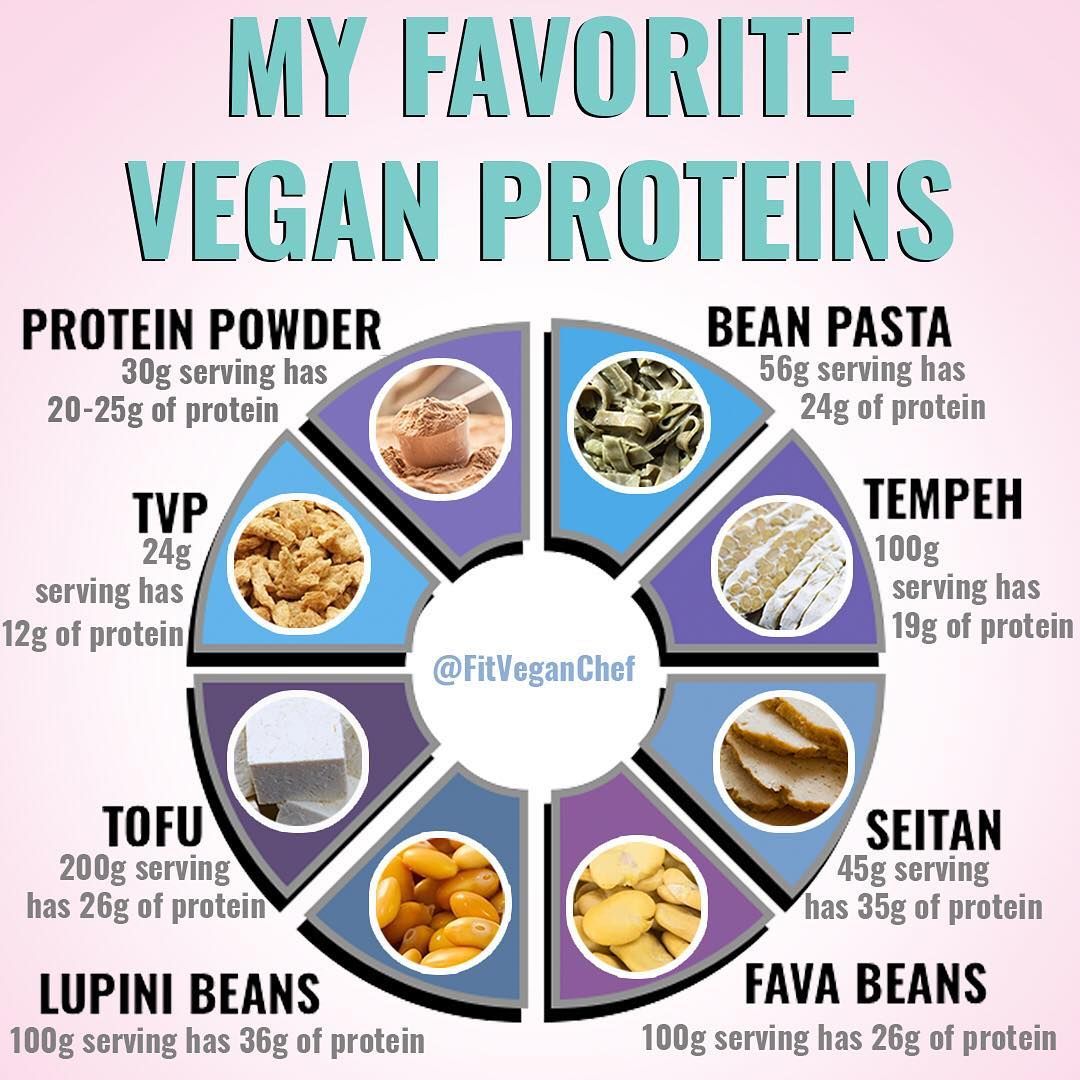
As more people opt for vegetarian diets, there is a need to ensure that you are getting all the necessary nutrients. While plant-based foods can be rich in vitamins and minerals, some nutrients may not be as abundant or easily absorbed in vegetarian diets.
One of the most common deficiencies found in vegetarians is Vitamin B12. This vitamin is primarily found in animal products such as meat, fish, eggs and dairy. Without enough B12, individuals may experience fatigue, weakness and even nerve damage over time. To get enough B12 on a vegetarian diet, it’s important to consume fortified cereals or supplements.
Iron is another nutrient that can be challenging to obtain on a vegetarian diet. Although plant sources provide non-heme iron which is less easily absorbed by the body than heme iron found in meat; including dark leafy greens like spinach or kale and legumes such as lentils can help increase your iron intake.
Omega-3 fatty acids are commonly associated with fish consumption but they can also be obtained from plant-based sources like flaxseeds and chia seeds which contain alpha-linolenic acid (ALA). However, it’s important to note that ALA needs conversion into EPA/DHA to produce the health benefits of Omega-3s so consuming algae-based supplements could be an additional source for strict vegetarians/vegans.
In conclusion, while a balanced vegetarian diet can provide numerous health benefits; it’s essential to pay attention to certain nutritional deficiencies that might arise without proper planning. It’s always best to consult with your healthcare provider before making any significant changes to your diet.

Leave a Reply