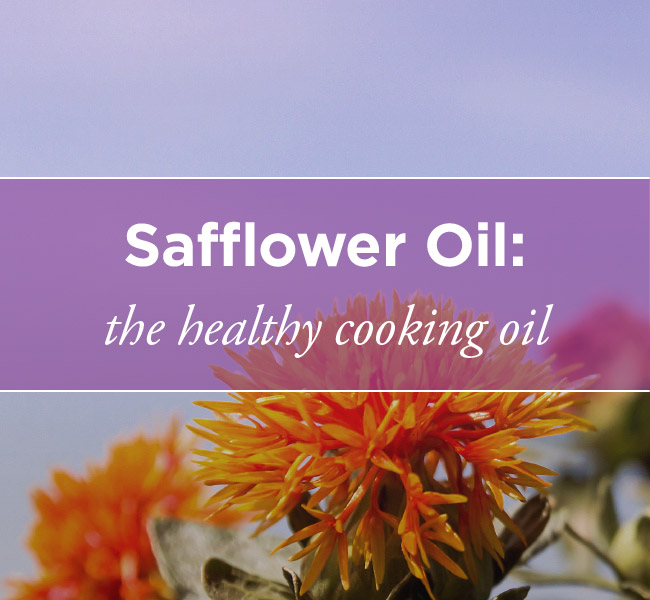
Safflower oil is a type of vegetable oil that has been gaining popularity in recent years for its potential health benefits. This oil is extracted from the seeds of the safflower plant, which is native to regions of Asia and Africa but also grown in other parts of the world.
In this Q&A style post, we will answer some common questions about safflower oil and explore what makes it unique among other types of cooking oils.
Q: What are the health benefits of safflower oil?
A: One potential benefit of safflower oil is its high content of linoleic acid, an essential omega-6 fatty acid that our bodies need but cannot produce on their own. Linoleic acid has been shown to help reduce inflammation, lower cholesterol levels, and improve heart health when consumed in moderation as part of a balanced diet.
Another possible benefit of safflower oil is its ability to aid weight loss. Some studies have found that consuming safflower oil regularly can help reduce belly fat and increase muscle mass in people who are overweight or obese. However, more research is needed to confirm these findings and determine whether they apply to everyone.
Q: Is safflower oil better than other types of cooking oils?
A: It depends on what you’re looking for. Safflower oil has a high smoke point (the temperature at which it starts to break down and produce harmful compounds), making it suitable for high-heat cooking methods like frying or baking. It also has a neutral taste profile that won’t overpower your food’s natural flavors.
However, there are other types of vegetable oils with similar properties, such as canola or grapeseed oil. The choice between them may come down to personal preference or availability.
One thing to keep in mind when choosing any cooking oil is its overall nutritional value. While all oils are calorie-dense and should be used sparingly as part of a balanced diet, some types contain healthier fats and more beneficial nutrients than others. Safflower oil is relatively low in saturated fat but also has a lower content of vitamin E and other antioxidants compared to some other oils like olive or avocado oil.
Q: Can safflower oil be used for skincare?
A: Yes, safflower oil is sometimes used as an ingredient in skincare products due to its moisturizing properties. Its high linoleic acid content can help soothe dry or irritated skin and improve its overall texture.
However, it’s important to note that not all safflower oils are created equal when it comes to skincare. Some may be heavily processed or contain additives that could cause irritation or clog pores. Look for cold-pressed, unrefined safflower oil if you’re interested in using it on your skin, and patch test first before applying all over your face.
Q: Are there any risks associated with consuming safflower oil?
A: Like any food or supplement, consuming too much safflower oil can have negative side effects. While linoleic acid is an essential fatty acid our bodies need, excessive intake of omega-6s (relative to omega-3s) has been linked to increased inflammation and higher risk of chronic diseases such as heart disease and arthritis.
It’s also worth noting that some studies have suggested a possible link between high intake of linoleic acid from vegetable oils like safflower oil and an increased risk of breast cancer. However, this research is still preliminary and more data is needed before drawing conclusions about causality.
To stay on the safe side, aim to include a variety of healthy fats in your diet from sources like nuts, seeds, avocados, fatty fish (such as salmon), and plant-based oils like olive or coconut instead of relying solely on one type.
Q: How should I store safflower oil?
A: Like most cooking oils, safflower oil should be stored in a cool, dry place away from heat and light to prevent it from going rancid. Some brands may recommend refrigerating or freezing their safflower oil to prolong its shelf life, but this is not always necessary.
When using safflower oil for cooking, avoid reusing it multiple times as this can increase the risk of harmful compounds forming. Discard any leftover oil after frying or baking once it has cooled down.
Q: Can I substitute safflower oil for other types of oils in recipes?
A: In many cases, yes! Safflower oil has a neutral flavor profile that won’t clash with other ingredients and a high smoke point that makes it suitable for high-heat cooking methods like frying or roasting.
However, keep in mind that different types of oils may have slightly different nutritional profiles and may affect the texture or taste of your dish differently. For example, substituting coconut oil (a solid at room temperature) with liquid safflower oil in a recipe may result in a less dense final product.
Experimentation is key when it comes to finding the right substitution for your needs. Don’t be afraid to try out different combinations and see what works best!
In conclusion, safflower oil is an interesting addition to any healthy eating plan due to its potential health benefits and versatile use in cooking and skincare. However, like all foods and supplements, moderation is key when incorporating it into your routine. Be mindful of your overall fat intake from various sources and choose high-quality brands when possible.

Leave a Reply