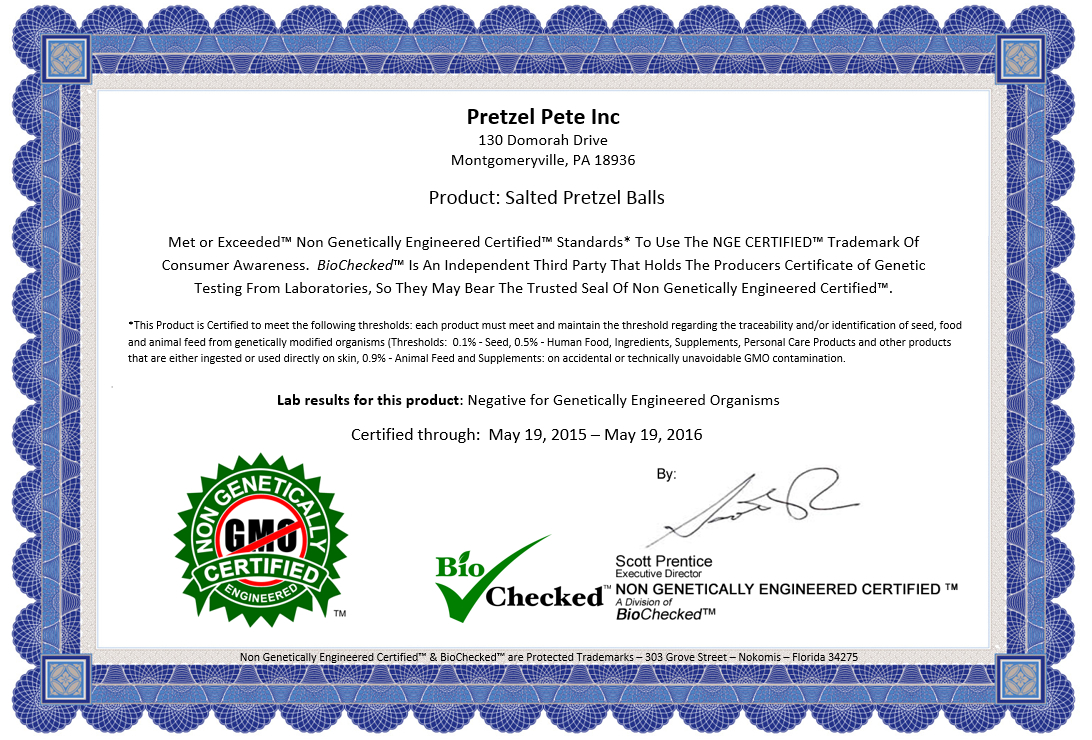
As more people are becoming conscious of what they consume, the demand for non-GMO products has increased. Fortunately, there are Non-GMO certification programs and organizations that can help guide consumers in their search for healthier options.
One of the most popular Non-GMO certification programs is the Non-GMO Project. The organization provides a third-party verification process to ensure that products meet their strict standards for avoiding genetically modified organisms (GMOs). The Non-GMO Project also has an online database where consumers can check if a product is certified or not.
Another reputable organization is the USDA Organic Certification program. Although it does not solely focus on GMOs, it ensures that products labeled as organic do not contain any genetically engineered ingredients and must follow other stringent regulations. Look for the “USDA Certified Organic” label when shopping to ensure your food meets these high standards.
The European Union’s “Non-Genetically Modified Foods” label is another trusted source of information about whether a product contains GMOs or not. It requires companies to provide documentation proving that their products have no GMO content and undergoes regular testing by government agencies.
While these three organizations all have different approaches, they share a common goal: ensuring that consumers have access to non-GMO foods. By choosing products with these certifications, you can rest assured knowing you’re making healthier choices for yourself and supporting companies committed to transparency in their production methods.
It’s worth noting that some smaller producers may not be able to afford certification from these organizations but still make non-GMO products. In those cases, reaching out directly to the manufacturer or doing research on their farming practices may be helpful in determining whether or not they use genetically modified ingredients.
In conclusion, Non-GMO certification programs and organizations exist as valuable resources for individuals looking to make healthy choices regarding what they eat. Whether using one of the larger certifiers like the Non-GMO Project or USDA Organic Certification program or looking into a product’s farming practices, there are plenty of options for those who want to prioritize non-GMO foods in their diet.

Leave a Reply