Quinoa is a nutritious food that has become increasingly popular among athletes. It’s known for its high protein content, essential amino acids, and numerous health benefits.
In this article, we’ll answer some frequently asked questions about quinoa and how it can benefit athletes.
What is Quinoa?
Quinoa (pronounced KEEN-wah) is a seed that comes from the Chenopodium quinoa plant. It’s often referred to as a grain because of its texture and appearance, but it’s actually a pseudo-cereal.
Quinoa has been cultivated in South America for thousands of years and was considered a sacred food by the Incas. Today it’s grown in many parts of the world and has gained popularity due to its nutritional value.
Is Quinoa Nutritious?
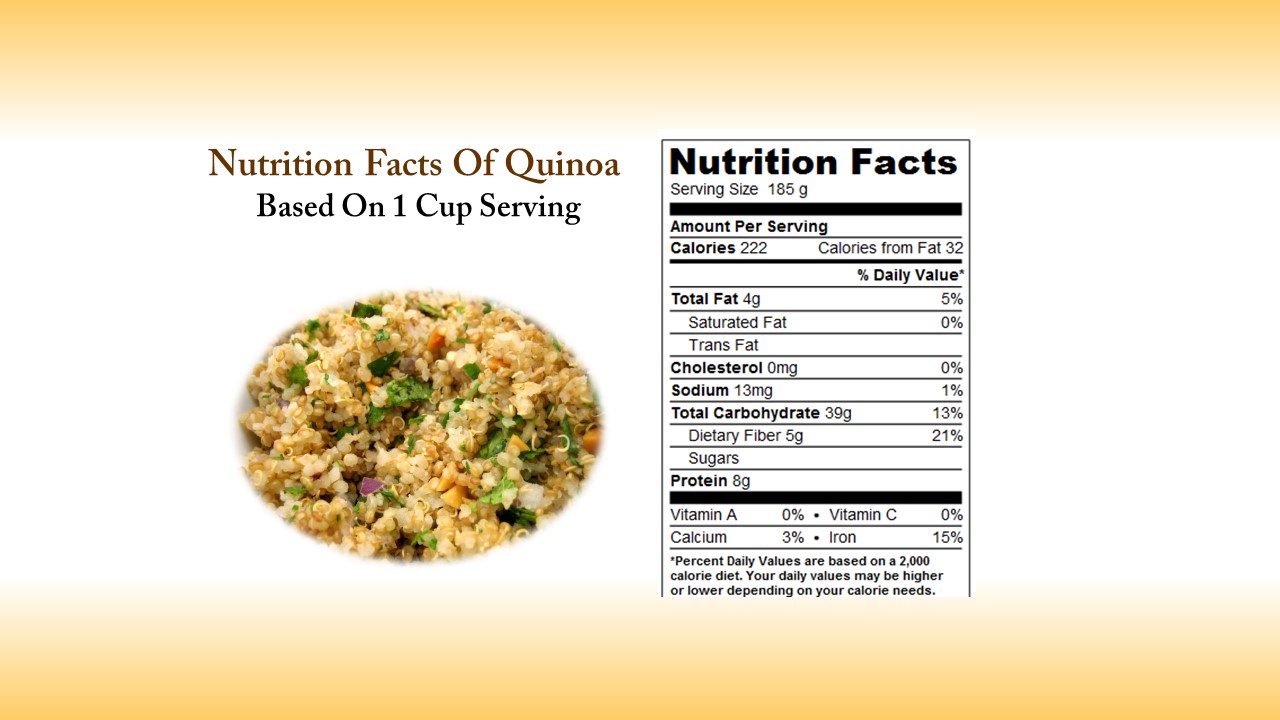
Yes! Quinoa is one of the most nutrient-dense foods on earth. It contains all nine essential amino acids making it a complete protein source. Additionally, it’s rich in fiber, vitamins B and E, magnesium, iron, potassium, calcium, phosphorus and antioxidants.
One cup (185 grams) of cooked quinoa provides 8g of protein which is comparable to animal-based proteins like chicken or beef but with fewer calories and saturated fats.
What are The Health Benefits Of Eating Quinoa For Athletes?
1) Provides Energy: Carbohydrates are an athlete’s primary source of energy during exercise. One cup (185 grams) cooked quinoa provides 39g carbohydrates making it an excellent source for pre-workout fuel-up meals.
2) Aids Muscle Recovery: After intense workouts or competitions muscles need time to recover properly before they can be used again at full capacity. Protein found in quinoa helps repair muscle tissues damaged during training sessions thus promoting faster recovery times.
3) Reduces Inflammation: Intense physical activity causes inflammation throughout your body which can lead to soreness after workouts or increased injury risk. The antioxidants in quinoa help reduce inflammation and protect cells from damage.
4) Supports Healthy Digestion: Quinoa is rich in fiber which helps regulate digestion, prevent constipation and lower the risk of colon cancer.
5) Boosts Immunity: Athletes are more susceptible to infections due to the stress put on their bodies during training or competitions. Quinoa contains vitamins B and E, magnesium, iron, potassium, calcium which support a healthy immune system thereby reducing the likelihood of getting sick.
How To Cook Quinoa?
Quinoa is easy to cook and can be prepared just like rice. Here’s how:
1) Rinse quinoa under cold water for 2-3 minutes using a fine-mesh strainer.
2) Add 1 cup (185 grams) of rinsed quinoa to a saucepan with 2 cups (473 ml) of water or broth. Bring it to boil over high heat.
3) Reduce heat to low and cover with a lid simmering until all the liquid has been absorbed (around 15-20 minutes).
4) Remove from heat and let sit for five minutes before fluffing with a fork.
What are some ways athletes can incorporate quinoa into their diet?
Athletes have many options when it comes to incorporating quinoa into their diet:
1) Breakfast: Mix cooked quinoa with Greek yogurt or milk topped with nuts and fruits for a protein-rich breakfast meal.
2) Salads: Use cooked chilled quinoa as base salads adding veggies like tomatoes, cucumbers & bell peppers topped off with olive oil dressing
3 ) Side dish: Serve cooked warm quinoas alongside roasted vegetables or grilled meats/fish.
4 ) Soup/Stews – Add cooked quinoas after soup/stew has finished cooking as an additional protein source
Conclusion
In conclusion, athletes looking for an alternative source of carbohydrates that provide numerous health benefits should consider adding quinoa to their diet. Quinoa is easy to cook and can be used in a variety of meals for breakfast, lunch or dinner.
Quinoa’s high protein content, essential amino acids and vitamins provide energy, muscle recovery support, reduce inflammation thus promoting faster recovery times. Additionally, it supports healthy digestion and boosts immunity reducing the likelihood of getting sick.
Overall quinoa is an excellent food choice that provides numerous nutritional benefits making it one of the best foods for athletes looking to improve performance and promote overall health.

Leave a Reply