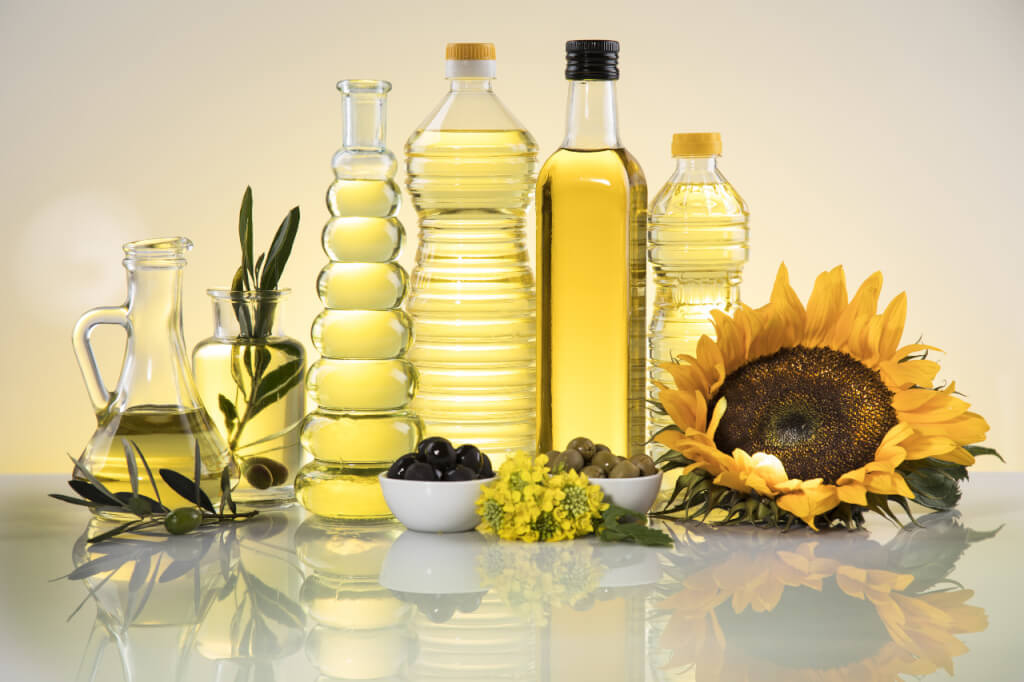
Comparison with Other Oils: Which One Is the Healthiest?
With so many types of oils available in the market, it’s hard to know which one is the healthiest. Some oils are good for cooking, while others are better suited for salads and dips. In this article, we’ll compare different types of oils based on their nutritional value and benefits.
Olive Oil
Olive oil is a staple in Mediterranean cuisine and has long been considered one of the healthiest oils. High in monounsaturated fats, olive oil can help reduce inflammation and lower cholesterol levels. It also contains antioxidants that protect against heart disease and cancer.
Extra virgin olive oil is the purest form of olive oil as it’s made from cold-pressed olives without any chemical processing or refinement. It has a fruity taste and works well with salads, dips, marinades, and dressings.
Canola Oil
Canola oil is low in saturated fat and high in healthy unsaturated fats like monounsaturated fatty acids (MUFA) and polyunsaturated fatty acids (PUFA). It also has a high smoke point making it suitable for frying or baking at high temperatures.
Studies have shown that canola oil may help reduce inflammation, improve insulin sensitivity, lower blood pressure levels, promote weight loss, and reduce the risk of heart disease.
Coconut Oil
Coconut oil gained popularity among health enthusiasts due to its medium-chain triglycerides (MCTs) content. MCTs are easily absorbed by our bodies as they don’t require bile to break down like other fats do.
However, coconut oil is also high in saturated fat compared to other plant-based oils like canola or olive oil. Saturated fat raises LDL (“bad”) cholesterol levels which increases your risk of heart disease. Therefore it should be used sparingly or avoided altogether if you have existing heart problems or high cholesterol levels.
Avocado Oil
Avocado oil is rich in healthy monounsaturated fats like oleic acid which can help reduce inflammation and improve heart health. It also contains vitamin E, an antioxidant that protects against cell damage.
Avocado oil has a high smoke point making it suitable for sautéing or frying at high temperatures. It’s also great for salad dressings, dips, and marinades due to its mild flavor.
Flaxseed Oil
Flaxseed oil is a good source of omega-3 fatty acids which are essential for brain function and reducing inflammation. However, flaxseed oil should not be used for cooking as it has a low smoke point and can easily become rancid when exposed to heat.
It’s best consumed cold as a supplement or drizzled over salads or vegetables. Flaxseeds are also available in whole form and can be added to smoothies or baked goods.
Conclusion
When it comes to cooking oils, choosing the right one depends on your needs and preferences. Olive oil is an excellent choice due to its nutritional value and versatility while canola oil is ideal for high-temperature cooking. Coconut oil may have some benefits but should be used sparingly due to its high saturated fat content.
Avocado oil is another healthy option with a mild taste that works well with many dishes while flaxseed oil provides important omega-3s but should only be consumed cold. By understanding the differences between oils, you can make informed choices about what’s best for your health goals and culinary needs.

Leave a Reply