Alcohol Content: Understanding the Risks and Benefits
Alcohol is a substance that has been consumed by humans for thousands of years. While it can have some benefits, such as reducing stress or increasing sociability, it also has significant risks.
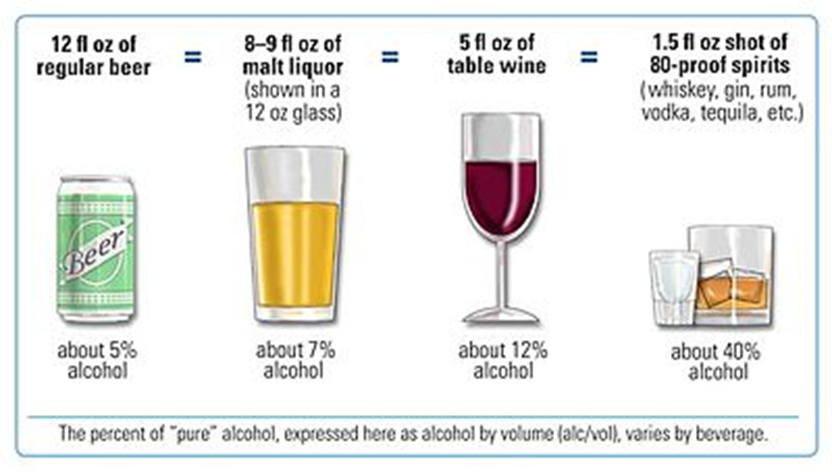
One of the most important things to understand about alcohol is its alcohol content. This refers to the amount of pure alcohol in a given volume or weight of an alcoholic beverage. The higher the percentage of alcohol content, the stronger the drink will be.
For example, beer typically has an alcohol content ranging from 4-7%, while wine ranges from 12-15%. Hard liquors like whiskey or vodka can range from 40-50% or even higher in some cases.
It’s important to note that different countries have different standards for measuring alcohol content. In the United States, it’s measured by volume (ABV), while in other places like Europe and Australia, it’s measured by weight (ABW). So when comparing drinks across regions, make sure you’re using consistent measurements.
While moderate drinking may have some health benefits – such as reducing risk for heart disease – excessive drinking can lead to serious health problems including liver damage, high blood pressure, and certain types of cancer.
The National Institute on Alcohol Abuse and Alcoholism defines binge drinking as consuming four drinks for women or five drinks for men within two hours. Heavy drinking is defined as more than eight drinks per week for women and 15 drinks per week for men.
It’s essential to know your limits when consuming alcoholic beverages. Drinking too much too quickly can quickly become dangerous; long-term overconsumption can lead to chronic diseases like cirrhosis and depression among others.
To reduce your risk associated with alcohol consumption:
1) Drink slowly – drink no more than one standard drink per hour.
2) Limit how much you drink – if you’re unsure what constitutes a serving size , then consider purchasing a pour spout to ensure that you’re getting the amount you need.
3) Avoid drinking on an empty stomach – alcohol can be absorbed quicker with no food in your system. Eat before or while drinking to slow down alcohol absorption.
4) Drink water or other non-alcoholic beverages between alcoholic drinks – alternate between alcoholic and non-alcoholic beverages. This helps keep you hydrated and slows down the rate of alcohol consumption.
In conclusion, understanding alcohol content is essential for anyone who consumes alcoholic beverages. While it can provide some benefits, moderation is key; excessive drinking can lead to serious health problems. By knowing your limits, monitoring how much you drink, and following these tips for safer consumption habits- we can all enjoy a responsible beverage without putting our health at risk.

Leave a Reply