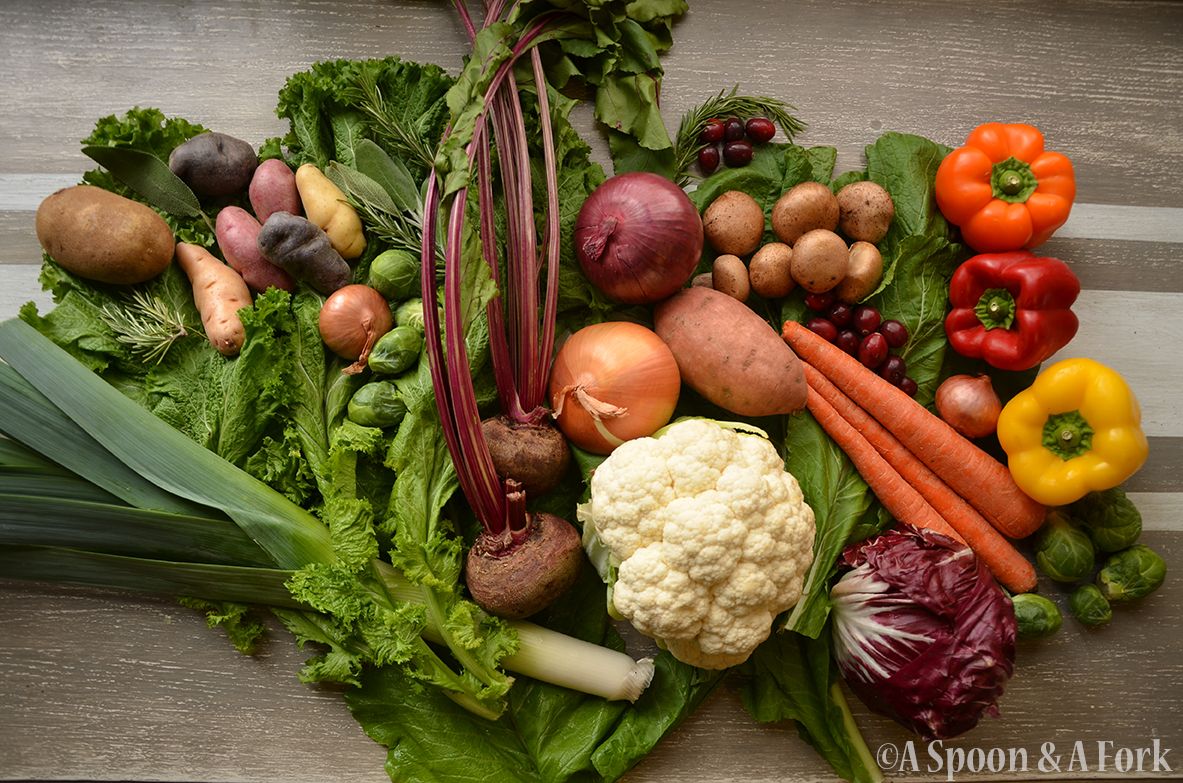
Eating local and seasonal for sustainability is one of the most significant ways we can reduce our carbon footprint and support a healthy environment. The practice involves consuming food that is grown or produced within your region, as well as foods that are in season during specific times of the year.
By eating locally and seasonally, you can reduce the amount of energy required to transport food from faraway places. When produce is shipped across countries or continents, it requires transportation by trucks, ships, and planes – all of which release greenhouse gases into the atmosphere. Moreover, transporting food long distances also means that it has to be packed with preservatives to keep it fresh during transit.
In addition to reducing your carbon footprint by consuming locally sourced foods, eating seasonal foods also provides you with numerous health benefits. Foods harvested at their peak ripeness contain more nutrients than those picked before they have had time to fully mature. Seasonal fruits and vegetables are also fresher since they don’t have to travel long distances.
One great advantage of eating local produce is that it supports small-scale farmers in your area who use sustainable farming practices. These farmers are often passionate about their work because they care deeply about producing high-quality food while minimizing environmental impact.
When buying from these local farmers’ markets or CSA (Community Supported Agriculture) programs, you get access to fresh produce straight from the farm each week! This connection allows consumers like you a chance to know not only where their food comes but who grows it too!
Moreover, supporting local farmers through purchasing their products helps sustain agriculture within your community while providing economic benefits for those involved in its production.
Another benefit of eating locally and seasonally is diversity! Local farms offer an array of unique crops specific only to certain regions- helping promote biodiversity by preserving rare varieties while encouraging genetic variety across different species!
Eating locally doesn’t just mean fruits and veggies; there’s plenty more available too! You’ll find everything from pasture-raised eggs and grass-fed meats to artisanal bread, cheese, and honey. By eating locally sourced food, you’ll be able to taste the difference in quality since most of these products are made with fresh ingredients that are grown nearby.
When it comes to eating seasonally, there’s no need to limit yourself either! Each season offers a wide variety of fruits and vegetables for consumption. For instance, summer brings juicy peaches, berries, tomatoes while fall months offer root vegetables like carrots or squash!
However, if you’re new to seasonal eating or cooking with unfamiliar ingredients- do not worry! Many resources can help guide you through this process. You can find many recipes online or purchase cookbooks specialized in seasonal cuisine.
In summary: Eating local and seasonal foods is one of the best ways we can support both our health and the environment. The benefits range from reducing our carbon footprint by reducing transportation emissions to supporting local farmers who use sustainable farming practices while providing economic benefits within their communities too!
So next time you head out grocery shopping – consider opting for locally sourced and seasonal produce instead! It may take some extra effort initially but over time will become easier as the rewards begin to emerge in better-tasting food than ever before!

Leave a Reply