Tempeh: The Nutritious and Delicious Soy-Based Protein
If you’re looking for a plant-based protein that is packed with nutrients, look no further than tempeh. This fermented soybean product has been enjoyed in Indonesia for centuries but has become increasingly popular worldwide due to its impressive nutritional profile and versatility in the kitchen.
What is Tempeh?
Tempeh is made by fermenting cooked soybeans with a special type of mold called Rhizopus oligosporus. As the mold grows, it binds the beans together into a firm cake-like structure that can be sliced or crumbled. Traditional tempeh often includes other ingredients such as grains, seeds, or legumes to add flavor and texture.
Nutritional Benefits
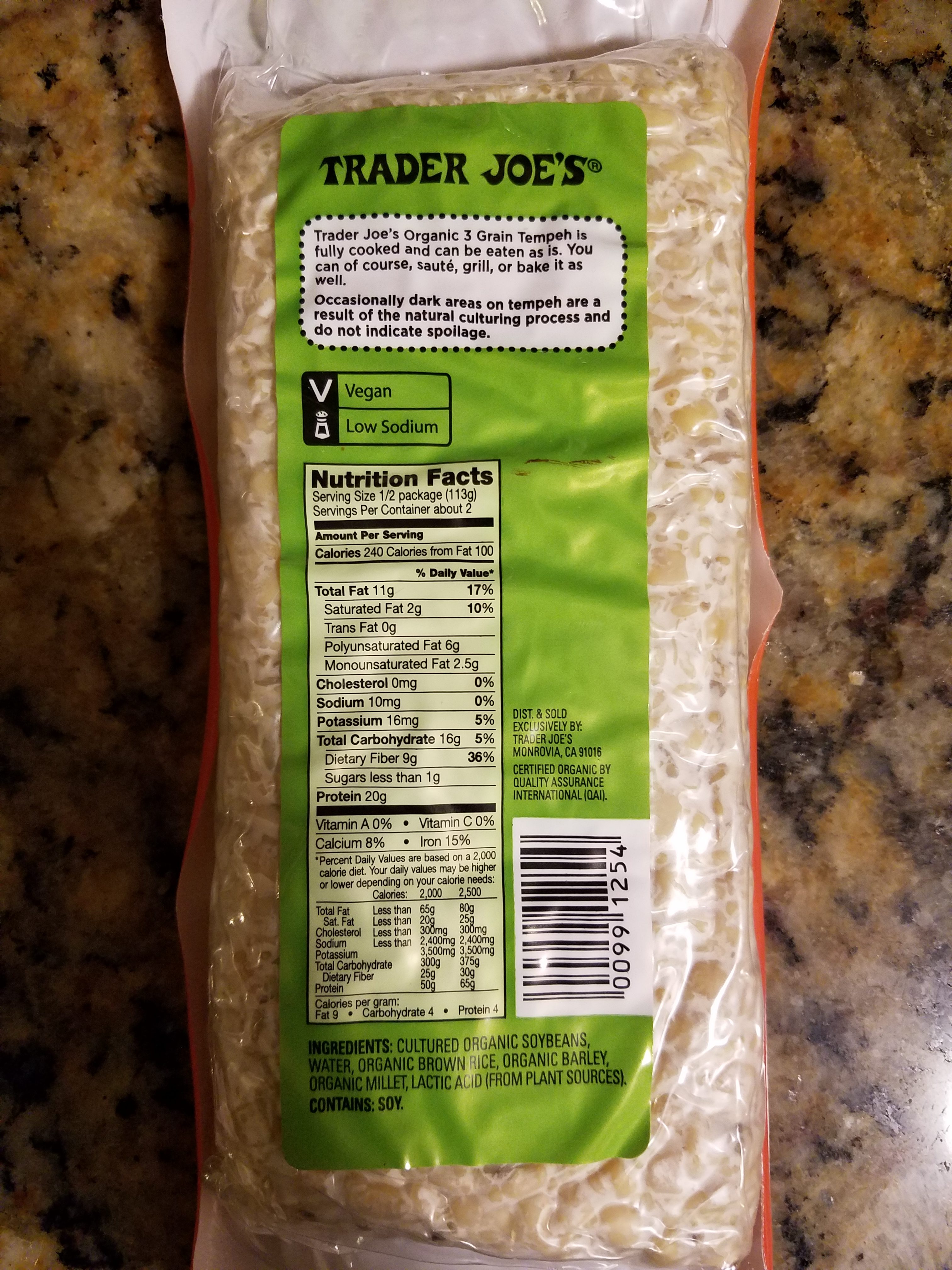
One of the biggest draws of tempeh is its impressive nutrient content. A 100-gram serving (about 3.5 ounces) contains:
– 19 grams of protein
– 11 grams of fiber
– 9 milligrams of iron (50% DV)
– 2 milligrams of copper (94% DV)
– 480 milligrams of calcium (48% DV)
– Vitamins B6 and B12
– Magnesium, phosphorus, zinc, and manganese
Compared to tofu – another popular plant-based protein source – tempeh has more fiber, protein, and micronutrients per serving.
Health Benefits
The high nutrient density found in tempeh makes it an excellent addition to any healthy diet. Here are some potential health benefits associated with consuming this soy-based food:
1. May lower cholesterol levels: Research suggests that regularly consuming soy products like tempeh may help reduce LDL (“bad”) cholesterol levels while increasing HDL (“good”) cholesterol levels.
2. Supports bone health: Tempeh is rich in calcium which plays an important role in maintaining strong bones.
3. Helps regulate digestion: The high fiber content in tempeh can help regulate digestion and promote feelings of fullness after meals.
4. May improve blood sugar control: Studies have found that the protein and fiber in tempeh may help regulate blood sugar levels, making it a great choice for those with diabetes or insulin resistance.
How to Cook with Tempeh
One of the best things about tempeh is its versatility in the kitchen. Here are some popular ways to enjoy this nutritious soy-based protein:
1. As a meat substitute: Tempeh’s firm texture makes it an excellent substitute for meat in dishes like stir-fries, tacos, or sandwiches.
2. Crumbled into salads or grain bowls: You can crumble tempeh into salads or grain bowls as a tasty source of plant-based protein.
3. Marinated and grilled: Like tofu, marinating tempeh before grilling adds flavor and depth to this plant-based protein.
4. Baked into crispy bites: Slice your tempeh thinly and bake until crispy for a healthy snack option that’s high in both fiber and protein.
Choosing and Storing Tempeh
When shopping for tempeh at your local grocery store, look for brands that use organic soybeans free from genetically modified organisms (GMOs). It’s also essential to check the expiration date since fresh tempeh can spoil quickly if not stored correctly.
To store unopened packages of tempeh, place them in the refrigerator where they will keep up to two weeks past their expiration date. Once opened, wrap any unused portions tightly before returning them to the fridge where they will stay fresh for up to five days.
Final Thoughts
Tempeh is a delicious way to add more plant-based protein and nutrients into your diet without sacrificing taste or variety. Whether you’re looking for new ways to cook with vegetarian proteins or simply want an alternative source of lean protein, give this fermented soybean product a try.

Leave a Reply