Composting and Soil Health Management Techniques
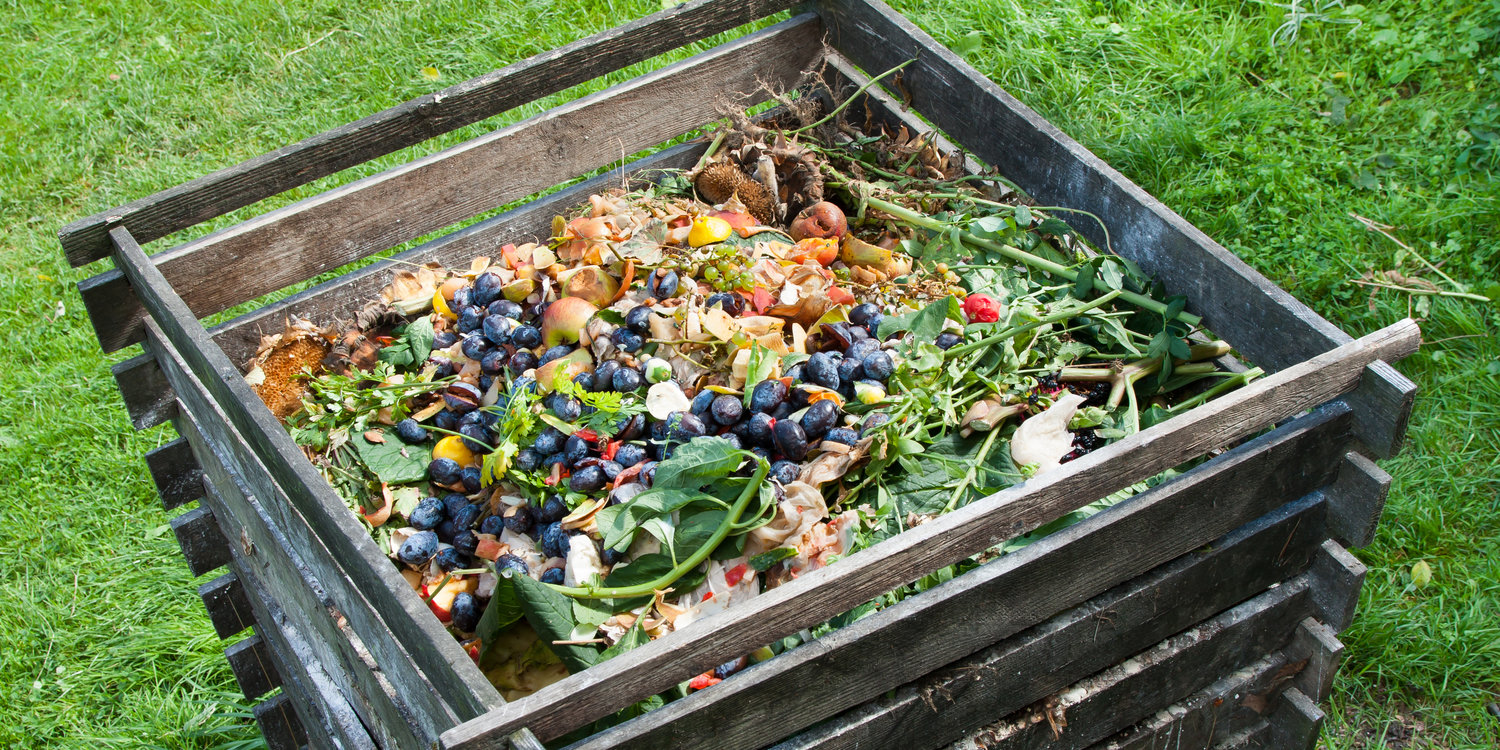
Composting is a natural process that involves the breakdown of organic matter into nutrient-rich fertilizers. The resulting compost can be used to improve soil health, mitigate greenhouse gas emissions, and reduce waste. Composting has been practiced for centuries in various forms and has gained renewed interest due to its environmental benefits.
We spoke with two experts in the field of soil health management to learn more about composting and how it can be incorporated into a healthy eating lifestyle.
Dr. Elaine Ingham is an internationally recognized soil biologist who specializes in understanding the role of microorganisms in soil ecosystems. She is also the founder of Soil Foodweb Inc., a company that provides education and training on sustainable agriculture practices.
Mark Highland is the president of Organic Mechanics Soil Company, which produces high-quality soils made from locally-sourced organic materials. He is also a professional horticulturist with over 30 years of experience in organic farming and gardening.
What are some benefits of incorporating composting into a healthy eating lifestyle?
Dr. Ingham: “Firstly, when you are growing your own food or buying from local farmers who use compost-based fertilizers, you will have access to more nutrient-rich produce that tastes better than chemically-grown produce.”
“Secondly, by making your own compost or purchasing it from local sources, you are reducing waste going into landfills which reduces methane production – one of the most potent greenhouse gases.”
Mark Highland: “Incorporating composting into your gardening practice results in healthier plants because they have access to nutrients they need to grow well such as nitrogen, phosphorus, potassium (N-P-K), calcium (Ca), magnesium (Mg) plus trace minerals like iron (Fe), manganese (Mn), copper (Cu), zinc (Zn).”
“Healthy plants mean healthier people since we rely on plants for our nutrition.”
What types of materials can be composted?
Dr. Ingham: “Almost any organic material can be composted, including food scraps, yard waste, leaves, grass clippings, and livestock manure.”
Mark Highland: “It’s important to avoid using meat or dairy products in your compost pile as they can attract pests and create unpleasant odors. Also avoid adding anything that has been treated with pesticides or herbicides as these chemicals can harm the microorganisms in the soil.”
What are some techniques for creating a successful compost pile?
Dr. Ingham: “The key to successful composting is ensuring there is a balance of carbon-rich materials (like dried leaves) and nitrogen-rich materials (like kitchen scraps).”
“Additionally, you want to maintain a moist but not too wet environment and turn the pile regularly – about once a week – to provide oxygen which helps break down the organic matter.”
Mark Highland: “Another technique is called ‘hot’ versus ‘cold’ composting methods where hot involves creating an active process of decomposition whereas cold allows for more passive breakdown over time. Hot piles should reach temperatures above 140°F to kill pathogens while cold piles take longer but still produce nutrient-rich soil amendments.”
How does using compost-based fertilizers compare to chemical fertilizers?
Dr. Ingham: “Chemical fertilizers are typically made from non-renewable resources like petroleum products which require energy-intensive processes to manufacture and transport. They also tend to leave salt residues that build up over time causing damage to plant roots.”
“In contrast, compost-based fertilizers provide nutrients from natural sources that have been broken down by living organisms into forms readily available for plants while also improving soil structure so water infiltrates more easily without compacting.”
Mark Highland: “Using chemical fertilizers may produce fast results initially but often leads to long-term negative impacts on soil health because it disrupts microbial communities which make up most of what we call soil. Compost-based fertilizers, on the other hand, are organic and work with nature to rebuild soil health.”
What are some common misconceptions about composting?
Dr. Ingham: “One misconception is that compost needs to be heated up to kill pathogens. While it’s true that high temperatures can help break down certain materials more quickly, you don’t necessarily need a hot pile for successful composting.”
“Another misconception is that you must use special equipment or additives like starters or enzymes when in reality all you need is time, organic matter, oxygen and water.”
Mark Highland: “A common myth is that adding lime will reduce acidity levels in your soil but this can actually be harmful since most plants prefer slightly acidic soils (pH 6-7).”
“Also, people often think they can add anything to their compost piles without understanding how different materials affect nutrient ratios which may lead to imbalanced conditions.”
In summary, incorporating composting into a healthy eating lifestyle has numerous benefits such as access to nutrient-rich produce and reducing waste going into landfills. Almost any organic material can be used for composting – except for meat/dairy products and anything treated with pesticides/herbicides.
Creating a successful compost pile requires balancing carbon/nitrogen-rich materials while maintaining proper moisture levels and turning regularly. Compost-based fertilizers provide natural sources of nutrients that improve soil structure whereas chemical fertilizers disrupt microbial communities leading to long-term negative impacts on soil health.
Common misconceptions include the belief that special equipment/additives are needed when all you really need is time/organic matter/oxygen/water; also adding lime reduces acidity levels which most plants prefer slightly acidic soils (pH 6-7) not alkaline ones (pH >7).

Leave a Reply