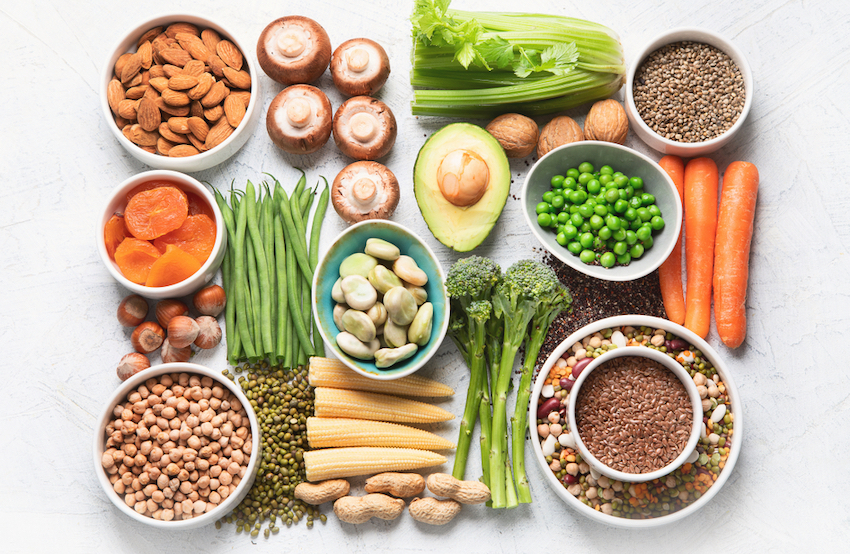
As more and more people are shifting to a plant-based diet, it’s important to know what sources of protein can be included in your meals. If you’re new to the world of plant-based protein, you might think that the only way to get enough protein is by eating meat or dairy products. But fear not! There are plenty of delicious plant-based protein sources out there that can help you meet your daily needs.
Before we dive into the different types of plant-based proteins, let’s first understand why it’s important to have enough protein in our diets. Protein is one of the three macronutrients (along with carbohydrates and fats) that our bodies need for energy and proper functioning. It helps build and repair tissues like muscles, bones, skin, hair, and nails. Additionally, proteins are involved in many biochemical processes throughout the body such as hormone production and enzyme activity.
So how much protein do we actually need? The recommended dietary allowance (RDA) for an adult is 0.8 grams per kilogram of body weight per day (or about 0.36 grams per pound). However, this number can vary depending on factors such as age, gender, activity level and health status.
Now let’s take a look at some amazing plant-based sources of protein!
1) Legumes: Legumes include beans (black beans, kidney beans), lentils (green or brown), chickpeas (garbanzo beans), peas etc., They are not only high in protein but also fiber which means they keep us feeling full longer while providing sustained energy throughout the day.
2) Nuts & Seeds: Nuts & seeds pack a powerful punch when it comes to nutrition- they contain healthy fats which help lower cholesterol levels in addition to being great sources of vitamins & minerals including magnesium & calcium! Some examples include almonds , walnuts , pumpkin seeds , chia seeds .
3) Tofu & Tempeh: Tofu and tempeh are made from soybeans and are fantastic sources of protein. They can be used in a variety of ways (in stir-fry, curries, soups) and are easily flavored with your favorite seasonings.
4) Quinoa: Quinoa is often referred to as a superfood- it contains all nine essential amino acids that our bodies need for proper functioning! This makes it an excellent source of protein for those following a plant-based diet.
5) Seitan: Seitan, also known as wheat meat, is made from gluten (the protein found in wheat). It’s texture is similar to meat which makes it a popular choice among those who miss the taste and texture of meat but want to follow a plant-based diet.
6) Spirulina: Spirulina is an algae that has been consumed for centuries due to its high nutritional value. It’s rich in vitamins & minerals including iron which can be difficult to get enough of on a plant-based diet.
7) Nutritional Yeast: Nutritional yeast is a type of deactivated yeast that adds flavor while being low in calories. It’s often used as a vegan substitute for cheese due to its cheesy flavor profile but also packs around 8 grams per serving!
Now let’s talk about how we can incorporate these protein sources into our meals:
– Add beans or lentils to soups or stews
– Use tofu or tempeh instead of meat in stir-frys or curries
– Make quinoa bowls by adding roasted veggies & avocado
– Use seitan as you would use beef or chicken
– Mix spirulina powder into smoothies
– Sprinkle nutritional yeast on top of popcorn
It’s important not only to focus on individual foods when trying to eat healthier but strive towards balance overall as well! Incorporating these protein sources along with plenty fruits & vegetables can help you get all the nutrients your body needs.
In conclusion, there are many plant-based sources of protein out there that can help us meet our daily needs. Legumes, nuts & seeds, tofu & tempeh, quinoa, seitan, spirulina and nutritional yeast are just a few examples! By incorporating these foods into our diets we not only provide our bodies with essential amino acids but also fiber and other important vitamins and minerals which contribute to overall health.

Leave a Reply