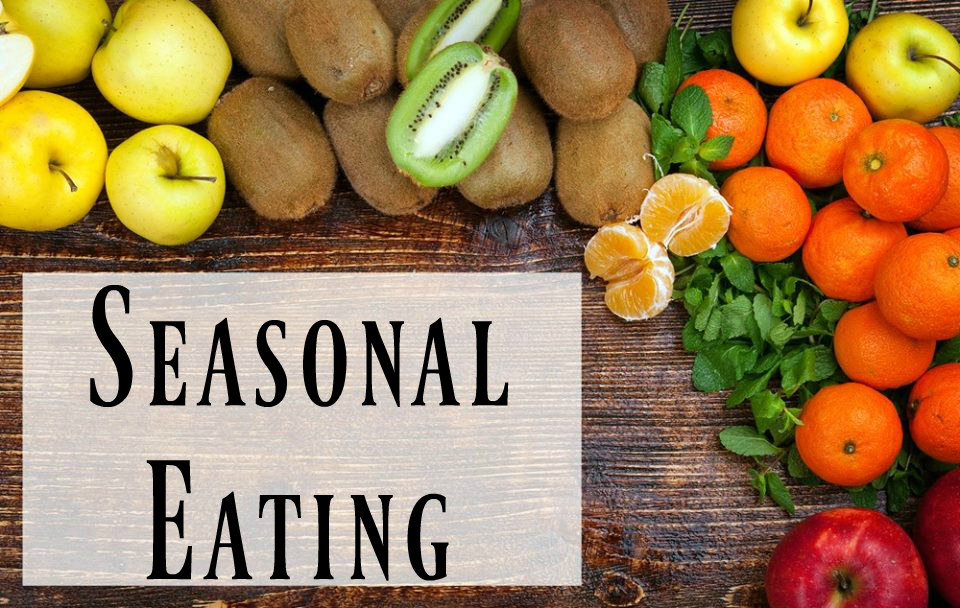
Seasonal Eating with Raw Foods: A Guide to Healthy and Sustainable Living
The concept of seasonal eating with raw foods has been gaining popularity in recent years, and for good reason. Not only does it promote healthier eating habits, but it also supports local agriculture, reduces carbon footprint, and helps preserve biodiversity.
Raw foods are foods that have not been cooked or processed at high temperatures above 118°F. This preserves the natural enzymes, vitamins and minerals present in the food which can be lost during cooking. Seasonal eating refers to consuming fruits and vegetables during their peak harvesting season when they are most abundant, flavorful, nutritious and affordable.
Here are some reasons why you should consider incorporating seasonal eating with raw foods into your lifestyle:
Health Benefits
Consuming a variety of fresh fruits and vegetables is key to maintaining optimal health. Raw fruits and veggies contain essential nutrients like fiber, antioxidants, vitamins C & E that boost immunity, regulate digestion, improve heart health among others (1).
In addition to these benefits , studies show that consuming more whole plant-based diets may lower chronic disease risk by reducing inflammation markers linked to conditions such as diabetes (2), cardiovascular diseases (3) , cancer (4) among others.
Environmental Sustainability
Choosing locally grown produce supports small-scale farmers in your area rather than large industrial farms located far away from you. It also promotes sustainable farming practices since local farmers tend to use fewer pesticides or fertilizers which can harm the environment.
Seasonal eating also helps reduce carbon footprint since shipping produce from other regions uses up energy resources leading to greenhouse gas emissions that contribute towards global warming.
Economic Benefits
Eating seasonally means that you’re buying food when it’s at its lowest price point because it’s readily available locally . When we buy off-season produce out of necessity or craving we pay a premium price due to transport costs associated with importing them from other countries .
How To Start With Seasonal Eating And Raw Foods
The first step is to become familiar with what fruits and vegetables are in season in your region. You can check online for seasonal produce guides or visit local farmers markets which tend to sell locally grown produce.
Next, experiment with different recipes that incorporate raw foods like salads, smoothies, soups, dips and salsas. These dishes allow you to enjoy the flavors of fresh produce without cooking out essential nutrients.
It’s also important to note that not all fruits and veggies should be consumed raw . Some need to be cooked or blanched before consumption because they contain certain enzymes or compounds that can lead to digestive issues if eaten raw (5).
Here is a list of some common seasonal fruits and vegetables :
Spring: Artichokes, asparagus, carrots, spinach , strawberries
Summer: Berries , cherries , corn , cucumbers , green beans
Fall: Apples, pomegranates , figs , pumpkins
Winter: Citrus fruits ( oranges / grapefruits ) kale, leeks
Conclusion
Seasonal eating with raw foods is a great way to eat healthy while supporting local agriculture and reducing environmental impact. By incorporating more whole plant-based meals into our diets we can reap numerous health benefits including lower risk of chronic diseases such as diabetes, obesity among others. So why not try it out today!

Leave a Reply