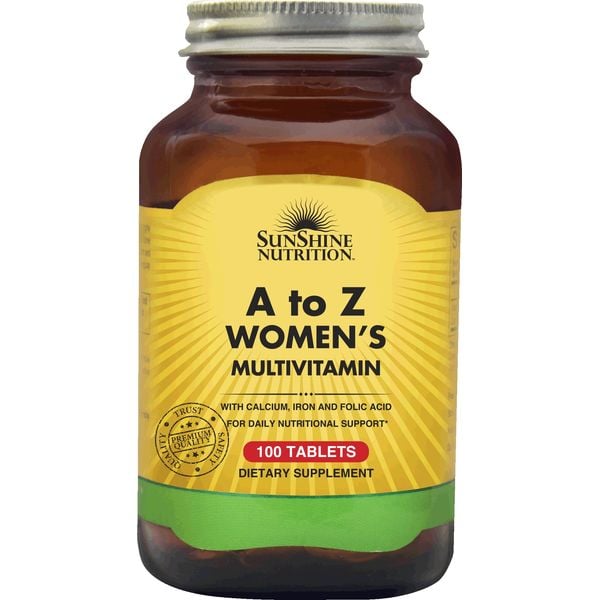
Vitamin D: The Sunshine Vitamin
Vitamin D is an essential nutrient that our body needs to maintain strong bones, healthy teeth, and overall good health. It is also known as the “sunshine vitamin” because our bodies can produce it when we are exposed to sunlight.
While many people know about the importance of getting enough calcium in their diets for healthy bones, few realize that vitamin D plays a critical role in helping the body absorb calcium. Without sufficient amounts of vitamin D, even a high-calcium diet may not be enough to prevent bone loss or fractures.
Sources of Vitamin D
There are two primary sources of vitamin D: sunlight and food. Our skin produces vitamin D when it’s exposed to ultraviolet B (UVB) rays from the sun. However, there are several factors that can affect how much vitamin D our bodies make from sun exposure:
– Time of day: The skin makes more vitamin D when it’s exposed to UVB rays during midday.
– Skin color: People with darker skin need longer exposure times than those with lighter skin.
– Latitude and season: People who live farther away from the equator or experience less sunshine during certain times of year may not get enough UVB rays for adequate vitamin production.
– Sunscreen use: Sunscreens with SPF 30 or higher can reduce the amount of UVB absorption by up to 97%.
For these reasons, some individuals may find it difficult to obtain optimal levels of vitamin D through sun exposure alone.
Food sources that contain significant amounts of Vitamin D include fatty fish such as salmon and tuna; egg yolks; fortified foods like milk and cereal; and supplements. While fortified foods can provide some extra vitamins in your diet, they should not be relied upon solely as a source for complete nutrition.
How Much Vitamin Do You Need?
The recommended daily intake (RDI) varies according to age group:
– Infants under 12 months need 400 international units (IU) per day.
– Children between the ages of 1 and 18 need at least 600 IU per day.
– Adults up to age 70 require a minimum of 600 IU per day, while those aged 71 or older should aim for at least 800 IU daily.
However, some experts suggest that these recommendations may not be sufficient to prevent vitamin D deficiencies. In fact, many individuals have blood levels below the recommended range despite meeting these guidelines. As such, it’s important to speak with your healthcare provider about whether supplementation is right for you.
Vitamin D Deficiency
Vitamin D deficiency can lead to several health problems, including:
– Rickets: A condition that causes softening and weakening of bones in children
– Osteoporosis: A condition characterized by weak and brittle bones in adults
– Increased risk of falls and fractures
– Muscle weakness
– Reduced immune function
Studies also show that low vitamin D levels have been linked to an increased risk of certain cancers like breast cancer as well as heart disease.
Symptoms of Vitamin D deficiency include:
– Fatigue
– Muscle pain
– Bone pain
– Depression
These symptoms often go unnoticed until more serious health problems develop.
Who’s at Risk?
Some people are more likely than others to experience vitamin D deficiency due to their lack of exposure to sunlight or inadequate dietary intake. These groups include:
– People who live in northern latitudes with limited sun exposure year-round.
– Elderly individuals whose skin may not produce as much vitamin D when exposed to sunlight as younger adults.
– Individuals with darker skin who require longer periods outdoors for optimal UVB absorption.
– Those with digestive disorders like Crohn’s Disease or Celiac Disease which limit the body’s ability to absorb nutrients from food.
Health Benefits
While most people associate vitamin D with bone health, research shows that it may offer several other health benefits as well. Some of these include:
1. Improved Immune Function: Vitamin D plays an important role in regulating the immune system by stimulating the production of antimicrobial peptides that fight off harmful bacteria and viruses.
2. Reduced Risk of Chronic Diseases: Studies have shown that higher levels of vitamin D may lower the risk for chronic diseases like multiple sclerosis, rheumatoid arthritis, type 1 diabetes, and certain cancers.
3. Lower Blood Pressure: Research has found a link between vitamin D deficiency and high blood pressure; however, more studies are needed to determine if supplementation can help reduce hypertension.
4. Improved Mood: Vitamin D is involved in serotonin production which affects mood regulation.
Conclusion
Vitamin D is essential for good health and well-being. While sunlight is a great source of this nutrient, it’s not always practical or possible to get enough from sun exposure alone. A balanced diet rich in fatty fish, egg yolks, fortified foods like milk and cereal along with supplements can also help maintain optimal levels.
If you’re concerned about your vitamin D intake or feel you may be at risk for deficiency speak with your healthcare provider about whether supplementation is right for you.
References:
– National Institutes of Health (NIH). Office Of Dietary Supplements – Vitamin D Fact Sheet For Professionals.
– Holick MF et al., Vitamin d deficiency N Engl J Med 2007;357(3):266–81.
– Manson JE et al., The Role Of Vitamin D In The Prevention Of Cancer Annals Of Epidemiology Volume 19 Issue 9 Pages 580-591 September 2009
– Wacker M & Holick MF., Sunlight And Vitamin D Dermatoendocrinol November/December 2013 Volume 5 Issue 1 Pages151-157

Leave a Reply