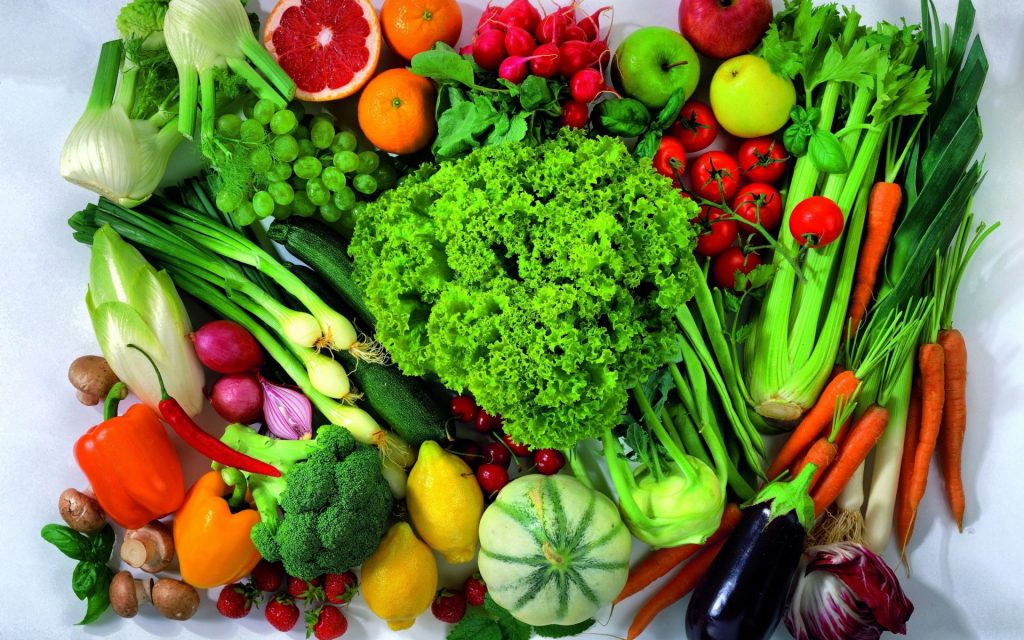
Organic Vegetables: The Healthiest Choice for You
As people become more health-conscious, they began to pay closer attention to what they eat. One of the most popular choices in recent years is organic vegetables. But what exactly are organic vegetables? Why are they considered healthier than non-organic ones? And how can you add them to your diet?
What Are Organic Vegetables?
Organic vegetables are those that are grown without the use of synthetic pesticides, fertilizers, or genetically modified organisms (GMOs). To be labeled as “organic,” a vegetable must meet certain guidelines set forth by government agencies such as the USDA.
One of the main differences between organic and non-organic vegetables is in how they’re grown. Organic farmers use natural methods such as crop rotation and composting to maintain soil fertility and prevent pests from damaging their crops. They also rely on beneficial insects and animals like ladybugs and birds to control harmful pests.
Why Choose Organic Vegetables?
There’s no denying that organic vegetables tend to cost more than their conventionally-grown counterparts. However, many people believe that the extra expense is worth it because of the numerous benefits associated with consuming these nutrient-rich foods.
1. Fewer Pesticides
According to a report by Consumer Reports, conventionally-grown produce often contains high levels of pesticide residue. This can be problematic for individuals who are especially sensitive or have weakened immune systems.
On the other hand, organic farming practices minimize exposure to harmful chemicals which could cause various illnesses including cancer among others.
2. More Nutritious
Numerous studies have shown that organically grown vegetables contain higher levels of nutrients compared with conventionally grown produce.
For example, one study published in 2012 found that organically-grown tomatoes had significantly higher levels of vitamin C than those grown using conventional methods.
Other research has shown that organic fruits and veggies may contain up to 40% more antioxidants than non-organic produce. These powerful plant compounds help to protect your body against the harmful effects of free radicals and may reduce your risk of chronic diseases.
3. Better for the Environment
Organic farming is better for the environment because it reduces pollution, conserves water, and supports biodiversity.
When farmers use synthetic fertilizers and pesticides, these chemicals often end up in our waterways where they can harm aquatic life and pollute drinking water supplies.
In contrast, organic farming practices promote soil health by increasing microbial activity which helps absorb excess carbon from the atmosphere. This can help mitigate climate change by reducing greenhouse gas emissions that contribute to global warming.
How to Incorporate Organic Vegetables into Your Diet
Now that you know why organic vegetables are a great choice for your health and the environment let’s talk about how you can add them to your diet:
1. Shop at Farmers’ Markets
One of the best ways to find fresh, locally-grown organic veggies is by shopping at farmers’ markets. Not only do you support local businesses when you shop at these markets but also get access to high-quality produce that’s often much fresher than what’s available in grocery stores.
2. Join a Community Supported Agriculture (CSA) Program
Another way to get delicious organic veggies delivered straight to your door is through a CSA program. With this setup, you pay a fee upfront in exchange for regular deliveries of fresh veggies throughout the growing season.
3. Grow Your Own
If you have space in your backyard or even just a small balcony or patio area then consider growing some of your own vegetables! This will give you complete control over how they’re grown while also providing an endless supply of fresh produce right outside your door.
Final Thoughts
Eating organic vegetables has many benefits including improved nutrition quality and reduced exposure to harmful pesticides among others mentioned above as well as being environmentally friendly making it something worth considering when planning meals or purchasing groceries. Whether you choose to shop at farmers’ markets, join a CSA program or grow your own vegetables, incorporating organic veggies into your diet is an excellent way to support good health and protect the planet.

Leave a Reply