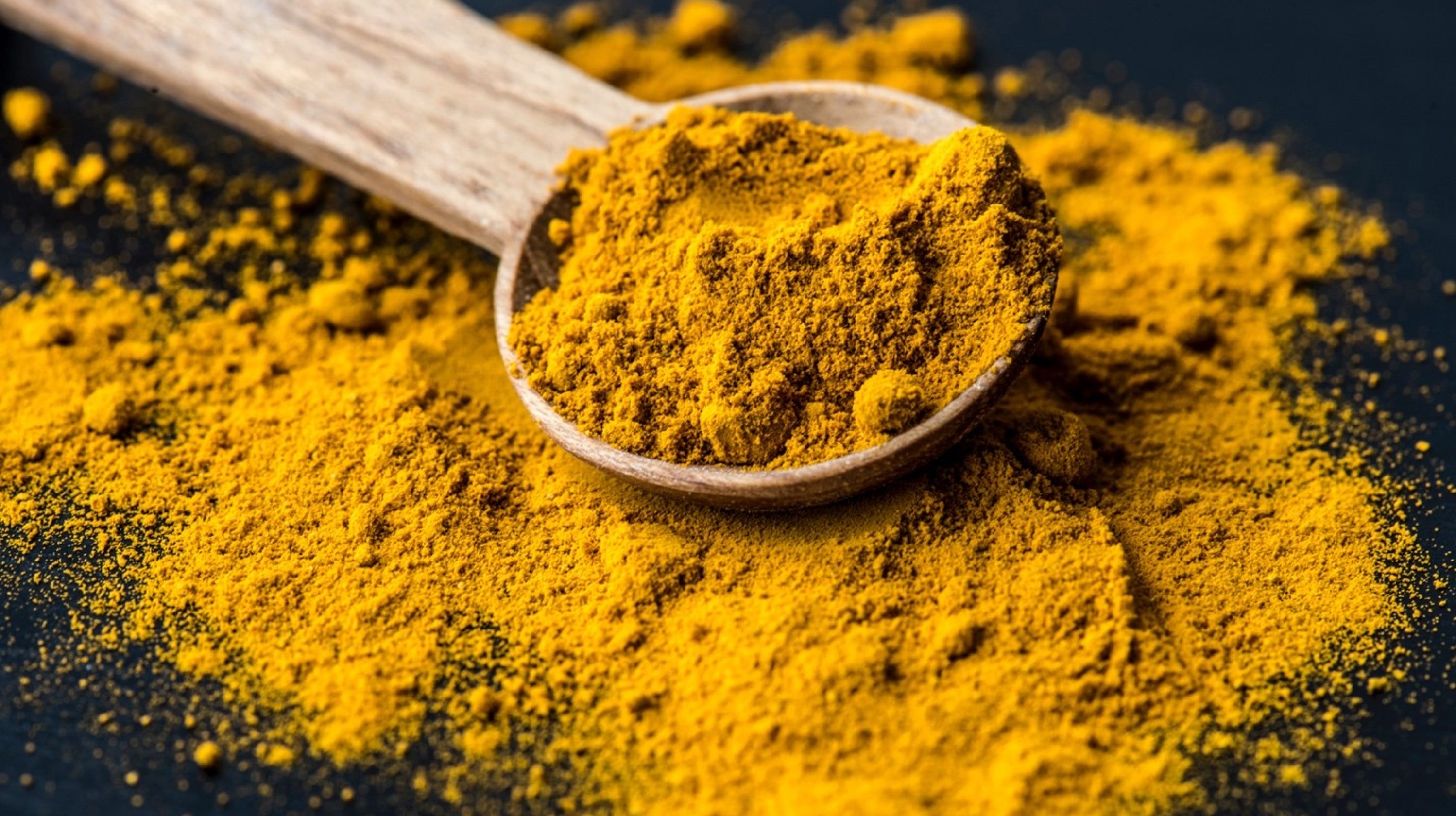
Turmeric, also known as Curcuma longa, has been used for centuries in Southeast Asian countries such as India, Indonesia, and Thailand. This bright yellow spice is a member of the ginger family and is highly prized for its medicinal properties.
In traditional medicine practices such as Ayurveda and Traditional Chinese Medicine (TCM), turmeric is believed to have anti-inflammatory, antibacterial, and antioxidant properties. It has been used to treat a variety of ailments including digestive issues, liver problems, arthritis, skin conditions, and even cancer.
One of the most common ways that turmeric is consumed in Southeast Asia is through curries. Turmeric gives curry dishes their distinctive yellow color and adds a slightly bitter flavor. It can also be mixed with milk or water to make a drink called “golden milk,” which is believed to have immune-boosting properties.
Another popular use of turmeric in Southeast Asia is in skincare products. Its anti-inflammatory properties are thought to help reduce acne breakouts and soothe irritated skin. In some cultures, brides-to-be apply turmeric paste on their faces before their wedding day as part of a pre-wedding ritual for glowing skin.
Turmeric has also been used as a natural dye for fabrics in some regions of Southeast Asia. The vibrant yellow color creates beautiful textiles that are unique to the region.
Despite its many traditional uses, it’s important to note that more research needs to be done on the effectiveness of turmeric for medicinal purposes. While it’s generally considered safe when consumed in moderation through food or supplements like capsules or powders available at stores like Whole Foods Market , high doses may cause side effects such as stomach upset or dizziness.
Overall though it’s clear that there’s much value attached with this vivid root veggie throughout various traditions across Southeast Asia whether being consumed orally or topically applied on skin!

Leave a Reply