Lowering Sodium Intake Tips and Tricks
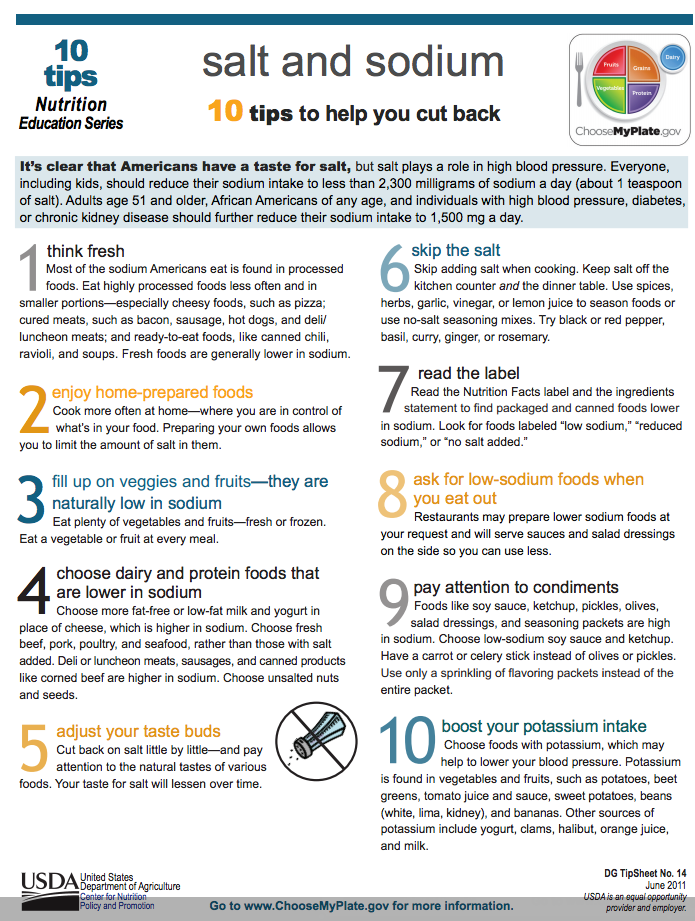
Sodium is an essential mineral that our body needs in small amounts to maintain fluid balance, transmit nerve impulses, and relax muscles. However, consuming too much sodium can cause high blood pressure and increase the risk of heart disease and stroke. According to the American Heart Association (AHA), the recommended daily intake of sodium for most adults is no more than 2,300 milligrams (mg). For some groups, including individuals with high blood pressure or those over age 50, the recommendation drops to 1,500 mg per day. Here are some tips and tricks to help lower your sodium intake.
1. Read Labels: One of the best ways to determine how much sodium you are consuming is by reading food labels. Look at both the serving size and amount of sodium per serving listed on packaged foods.
2. Avoid Processed Foods: Processed foods like canned soups, frozen meals, deli meats contain a significant amount of added salt. Opt for fresh fruits and vegetables instead.
3. Cook from Scratch: When cooking meals at home from scratch you have total control over what ingredients go into it – including salt content.
4. Use Spices Instead of Salt: Experiment with herbs and spices such as garlic powder or cumin instead of salt in recipes.
5. Rethink Your Condiments: Ketchup, mustard, soy sauce all have high levels of salt/sodium content- try replacing them with low-sodium alternatives or other flavor enhancers such as lemon juice or vinegar.
6. Be Mindful When Eating Out: Most restaurant meals contain significantly more sodium than homemade dishes – ask about nutrition information before ordering your meal whenever possible.
7.Don’t Add Salt While Cooking: It’s easier than you may think to add too much salt while cooking-try using other seasonings like onion powder or paprika instead-it can be just as flavorful without adding extra sodium.
8. Use Salt Alternatives: While salt substitutes aren’t for everyone, some people find them helpful in reducing their overall sodium intake, experiment to see if they work for you.
Lowering your sodium intake takes effort and a bit of patience but the positive impact on your health is immense. By making these small changes in your day-to-day life can significantly reduce your risk of chronic diseases such as heart disease, stroke, and kidney damage. Remember- moderation is key!

Leave a Reply