Anti-inflammatory Diet: A Comprehensive Guide to Promote Health and Well-being
Inflammation is a natural response of the body to injury, infection or stress. But when inflammation becomes chronic, it can lead to serious health problems like heart disease, cancer, diabetes and Alzheimer’s disease. Many people suffer from chronic inflammation without even knowing it because symptoms are often subtle. Fortunately, making dietary changes can help alleviate inflammation and promote overall health.
The Anti-inflammatory diet involves consuming foods that have been shown to reduce inflammation in the body while avoiding those that trigger it. The following are some guidelines for an anti-inflammatory diet:
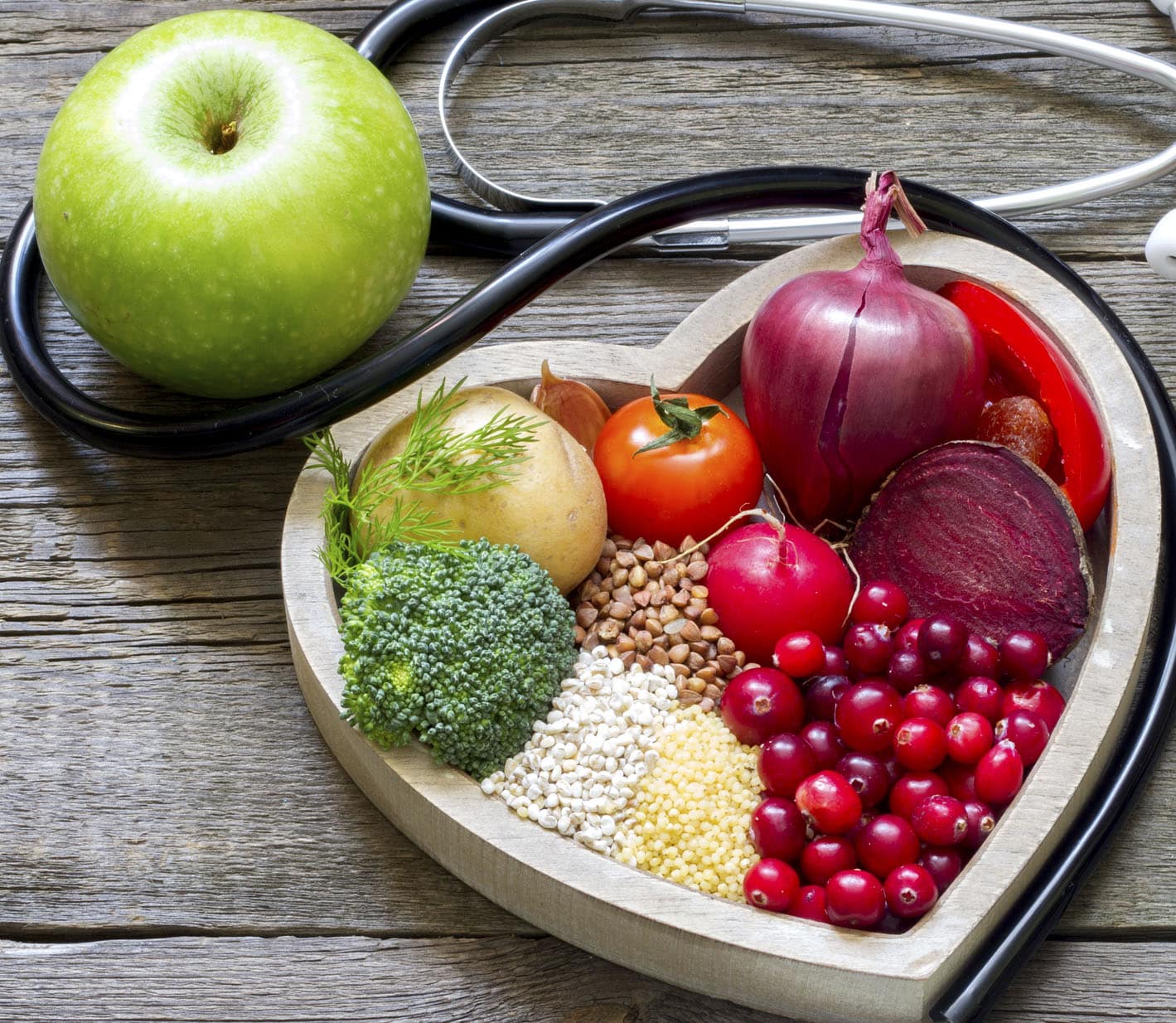
1. Eat plenty of fruits and vegetables
Fruits and vegetables should be the foundation of any healthy diet as they contain vitamins, minerals, fiber and antioxidants which help reduce inflammation in the body. Aim for at least 5 servings per day.
2. Choose whole grains over refined grains
Refined grains like white bread, pasta and rice have been stripped off most nutrients whereas whole-grain counterparts retain their nutrient content including fiber which helps keep you fuller longer.
3. Include healthy fats in your diet
Omega-3 fatty acids found in oily fish like salmon are great anti-inflammatories as well as monounsaturated fats found in olive oil.
4. Avoid trans fats
Trans fats found in baked goods like cakes or cookies as well as fried foods increase inflammation levels within the body so make sure you read food labels carefully before choosing what to eat.
5. Limit processed foods
Processed foods tend to be high in sugar & sodium which increases insulin resistance leading to elevated levels of cortisol (stress hormone) thereby increasing inflammatory processes within our bodies.
6. Reduce your intake of animal protein
Animal protein tends to be higher on saturated fat than plant-based proteins such as legumes or nuts/seeds leading towards more pro-inflammatory state within our bodies so limit animal protein sources if possible.
Incorporating anti-inflammatory foods into your diet can help you to feel better, reduce chronic inflammation and promote overall health. Here are some specific foods that have been shown to be anti-inflammatory:
1. Berries: Blueberries, raspberries and strawberries contain high levels of antioxidants that help fight inflammation.
2. Fatty fish: Salmon, sardines and mackerel are rich in omega-3 fatty acids which decrease inflammation.
3. Leafy greens: Spinach, kale and collards are loaded with vitamins, minerals and antioxidants which reduce inflammation.
4. Nuts & seeds: Almonds, walnuts & flaxseeds contain monounsaturated fats as well as fiber which lower inflammatory markers within our body.
5. Turmeric: This spice contains curcumin which has strong anti-inflammatory properties
6. Green tea: Green tea is a good source of polyphenols (a type of antioxidant) that helps ward off inflammation.
In addition to incorporating these foods into your diet, it’s also important to limit or eliminate certain foods that increase inflammation levels within our bodies such as refined sugars, processed meats or sugary beverages like soda pop.
In conclusion, the Anti-Inflammatory Diet offers a promising solution for those looking to improve their overall health by reducing chronic inflammation in the body through dietary modifications such as adding more fruits/veggies/nuts/seeds while limiting animal protein sources like red meat along with refined grains & trans-fats commonly found in fast food items/portions at restaurants around us today!

Leave a Reply