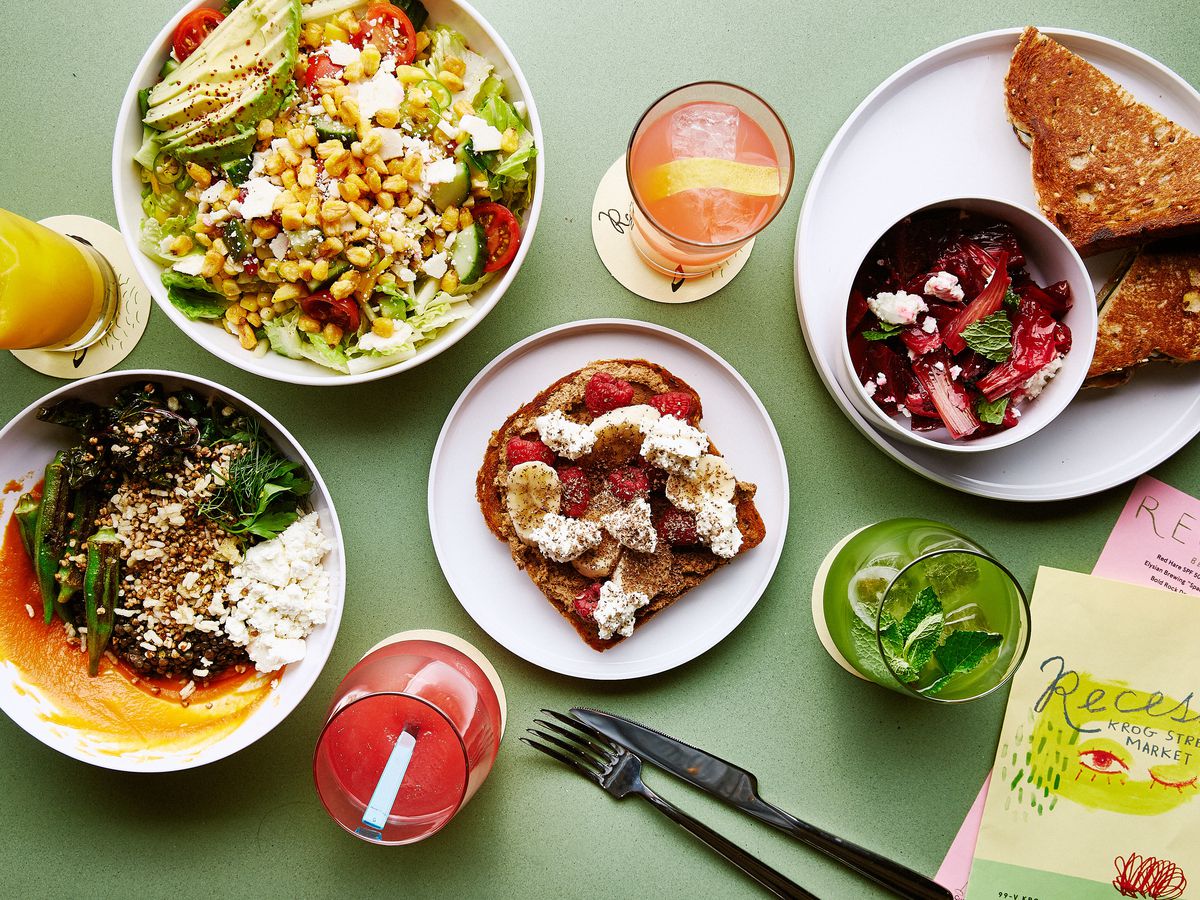
Eating Out While on a Gluten-Free Diet: Tips and Tricks
Living with celiac disease or gluten intolerance can be challenging, especially when it comes to dining out. Eating at restaurants is one of the most common social activities, and avoiding gluten in these settings can seem daunting. But fear not! With a little bit of planning and preparation, eating out while on a gluten-free diet can be an enjoyable experience.
Here are some tips and tricks for navigating the restaurant scene:
1. Do Your Research
Before heading out to eat, do your research. Look up the restaurant’s menu online or call ahead to see if they offer gluten-free options. Many restaurants now have dedicated menus or symbols denoting which dishes are safe for those with celiac disease or gluten intolerance.
You can also use apps like Find Me Gluten Free or Yelp to find restaurants with reliable gluten-free options in your area.
2. Be Clear About Your Needs
When you arrive at the restaurant, don’t be afraid to speak up about your dietary restrictions. Explain that you cannot consume any foods containing wheat, barley, rye, or their derivatives (including malt and brewer’s yeast). You may also want to clarify cross-contamination concerns if necessary.
Communicate clearly with your server and ask them questions about how certain dishes are prepared. Double-check that there are no hidden sources of gluten in sauces, marinades, dressings or other ingredients used in cooking.
3. Choose Safe Foods
Some cuisines are naturally more accommodating than others when it comes to gluten-free diets. For example:
– Mexican food: corn tortillas instead of flour tortillas; guacamole; rice dishes; beans.
– Japanese food: sushi rolls with rice wrapped in seaweed (avoid tempura); edamame.
– Indian food: tandoori chicken; curries made without wheat flour thickeners; basmati rice.
– Italian food: gluten-free pasta; risotto made with arborio rice; grilled meats and fish.
Always be cautious when ordering dishes that are typically made with wheat flour, such as breaded or fried items, pizza, sandwiches, and wraps. Instead, opt for grilled or roasted meats and vegetables.
4. Bring Your Own Food
If you’re unsure about the restaurant’s ability to accommodate your dietary needs or if you simply want to play it safe, bring your own food. Packing a small cooler with snacks or a meal can help ensure that you’ll have something safe to eat in case of emergency.
5. Be Mindful of Cross-Contamination
Cross-contamination occurs when foods come into contact with gluten-containing surfaces like cutting boards and utensils. It can also happen when cooking oils or fryers are shared between gluten-containing and gluten-free foods.
To minimize the risk of cross-contamination:
– Ask your server to make sure the kitchen staff is aware of your dietary needs.
– Request that your food be prepared on a clean surface using clean utensils.
– Avoid deep-fried foods (unless they use a dedicated fryer for gluten-free items).
– Consider choosing simpler dishes that are less likely to require multiple cooking surfaces.
6. Enjoy Your Meal!
Remember that eating out should be an enjoyable experience! Don’t let dietary restrictions ruin your night out – focus on the company you’re keeping and savoring delicious flavors instead!
In Conclusion
Eating out while on a gluten-free diet may seem daunting at first but don’t worry! With some planning ahead and careful communication with restaurant staff members, dining out can still be an enjoyable experience for those following a celiac-friendly lifestyle.
By doing research before heading out to eat, being clear about dietary restrictions, choosing naturally-safe cuisines or dishes carefully preparing food at home according to strict standards – all these tips will help ensure peace-of-mind so that one enjoys eating out while adhering to a gluten-free diet.

Leave a Reply