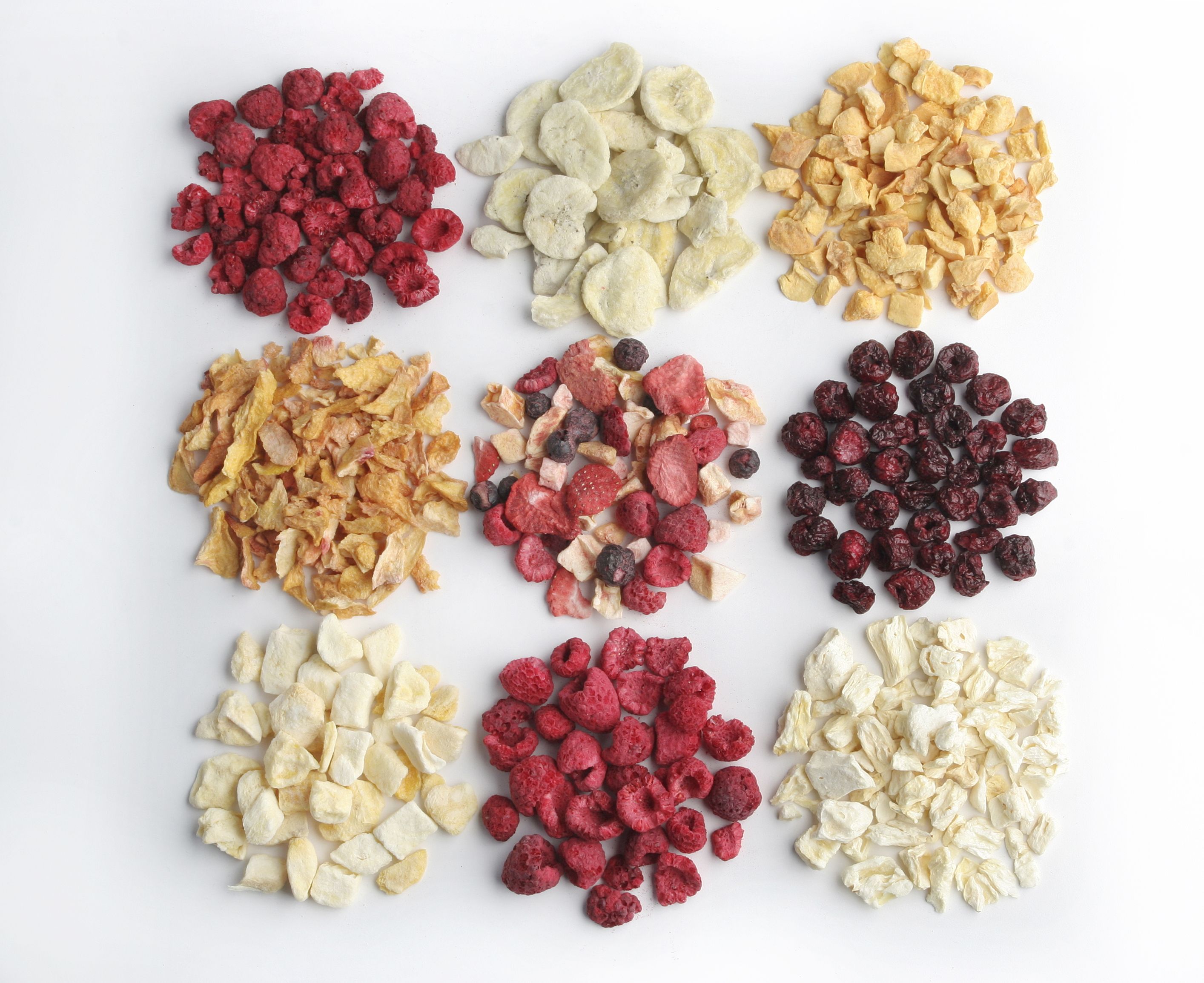
Dehydrating is an age-old method of preserving food by removing water from it. This process can be done using different methods, including air-drying, sun-drying, or using a dehydrator machine. Dehydrating not only preserves the shelf life of food but also retains its nutrients and flavor.
In this Q&A style post, we will cover some frequently asked questions about dehydrating:
Q: What are the benefits of dehydrated foods?
A: There are several benefits to consuming dehydrated foods. Firstly, as mentioned earlier, dehydration helps preserve the nutrients in foods for longer periods than other preservation methods like canning or freezing. Secondly, dehydrated foods are lightweight and easy to store which makes them ideal for camping trips and hiking expeditions where weight and space are critical considerations. Lastly, since most of the moisture has been removed from these foods during dehydration they have a longer shelf-life compared to fresh produce.
Q: How do I know if my food is properly dehydrated?
A: Foods that have been properly dried should be crisp with no sign of moisture content left in them. To test whether your fruits or veggies are completely dry after drying them out; you can try bending one piece slightly; if it snaps easily without any signs of flexibility then it’s ready for storage.
Q: What types of food can be dehydrated?
A: A wide range of fruits and vegetables can easily be preserved through dehydration such as grapes, apples bananas blueberries tomatoes sweet potatoes peppers etc., meats like beef jerky turkey jerky fish chicken etc., grains like rice quinoa millet oats etc., nuts seeds beans lentils peas chickpeas soybeans kidney beans pinto beans black-eyed peas etc.. It’s important to note that some vegetables contain too much sugar (like carrots) which may cause them to become sticky when dried out so make sure you use caution when selecting what items you dehydrate.
Q: What equipment do I need to start dehydrating?
A: To begin with, a food dehydrator machine is the best way to get started. You can purchase one at most kitchen supply stores or online retailers. If you don’t want to invest in a machine right away, you could try air-drying your fruits and vegetables by placing them on a baking sheet in direct sunlight or using an oven set to the lowest possible temperature setting (usually around 150°F). However, this method takes longer and may not be as effective as using a specialized machine.
Q: How should I store my dehydrated foods?
A: Once your food has been properly dried out, it should be stored in an airtight container like glass jars or vacuum-sealed bags. Store these containers in a cool dry place like the pantry and avoid storing them near sources of heat or light which can cause moisture buildup leading to spoilage.
In conclusion, dehydration is an excellent way to preserve food while retaining its nutrients and flavor. By following simple guidelines for drying out produce either through air-drying or using a dehydrator; anyone can easily create delicious homemade snacks that are perfect for snacking on-the-go!

Leave a Reply