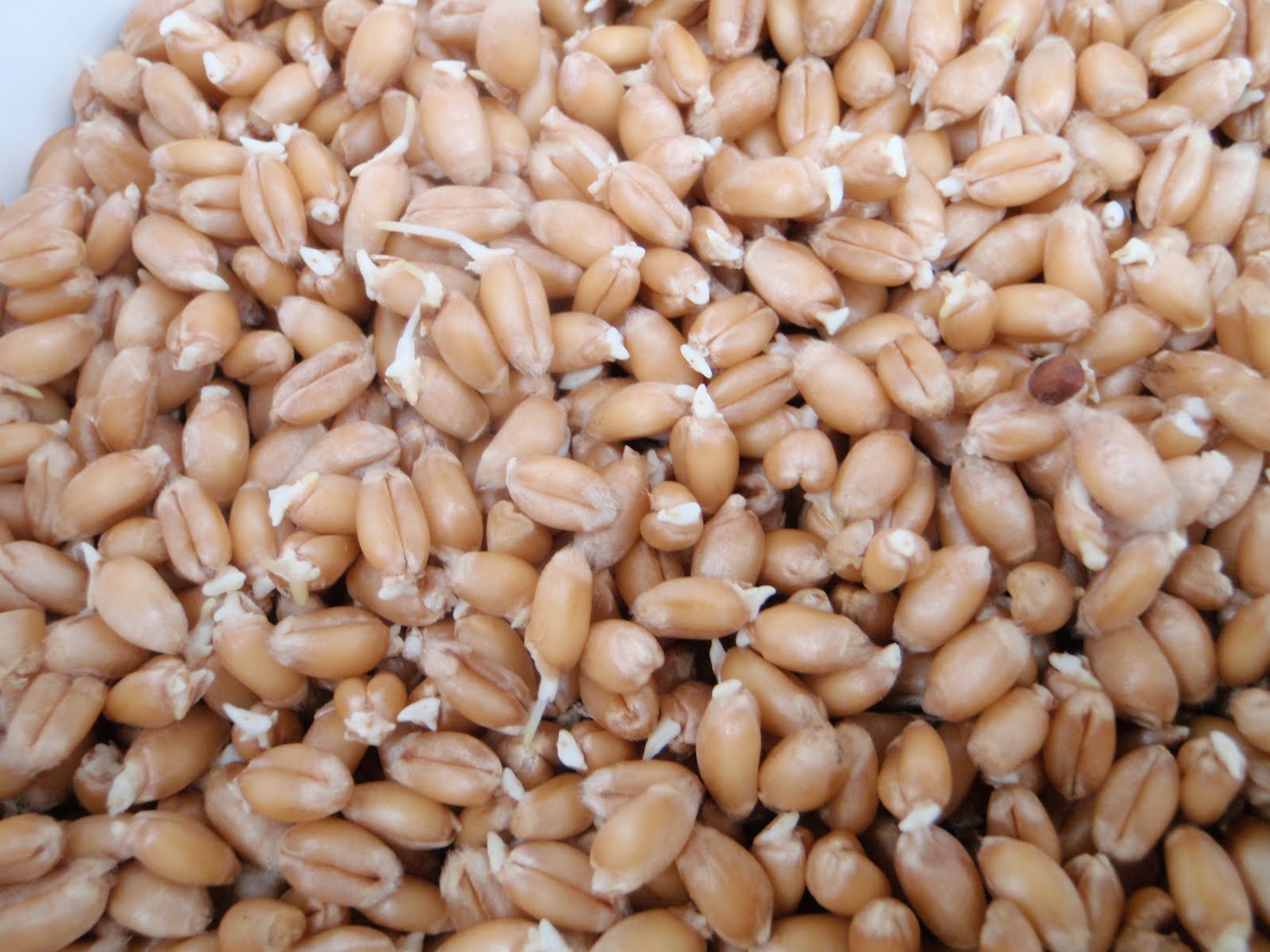
Sprouted Grains: A Nutrient-Packed Addition to Your Diet
If you’re looking for a simple way to improve your diet, consider incorporating sprouted grains. Sprouting is the process of germinating grains, nuts, and seeds so that they become more digestible and nutrient-dense. It’s an ancient practice that has been making a comeback in recent years as people look for healthier food options.
Why Choose Sprouted Grains?
When you sprout grains, you activate their enzymes which break down starches and proteins into simpler components that are easier to digest. This means the body can absorb more nutrients from sprouted grains than from regular ones. For example, sprouted wheat contains higher levels of vitamins B and C than unsprouted wheat.
Sprouting also breaks down phytic acid, a compound found in many plant-based foods that can inhibit mineral absorption. By reducing phytic acid levels during the sprouting process, the body can better access minerals like calcium, iron, and zinc.
Another reason to choose sprouted grains over regular ones is their lower glycemic index (GI). The GI measures how quickly carbohydrates in food raise blood sugar levels. Foods with a high GI can cause spikes in blood sugar followed by crashes, which can lead to hunger pangs and cravings for unhealthy snacks. Sprouted grains have a lower GI because they contain more fiber and protein than unsprouted versions.
Types of Sprouts
The most common types of sprouts used in cooking include:
1) Alfalfa
2) Broccoli
3) Lentil
4) Mung bean
5) Radish
6) Sunflower seed
However, when it comes to using them in baked goods or other recipes where flour is required; here are some popular options:
1) Wheat berries – These are commonly used for making bread.
2) Barley – This nutty-flavored grain works well in soups and stews.
3) Quinoa – This gluten-free grain has a mild, nutty flavor and can be used in salads or as a rice substitute.
How to Sprout Grains
Sprouting grains is simple and can be done at home. Here are the basic steps:
1) Rinse the grains thoroughly with water.
2) Soak them in water overnight.
3) Drain the water and rinse the grains again.
4) Place them in a sprouting jar or container with holes for air circulation.
5) Rinse them twice daily until they begin to sprout (usually within 2-5 days).
6) Once sprouted, store them in an airtight container in the refrigerator for up to one week.
In Conclusion
Adding sprouted grains to your diet is an easy way to boost nutrition without sacrificing taste. They’re readily available at many health food stores and online retailers, or you can try making your own at home. With their high nutrient content, lower glycemic index, and improved digestibility, sprouted grains are definitely worth considering as part of a healthy eating plan.

Leave a Reply