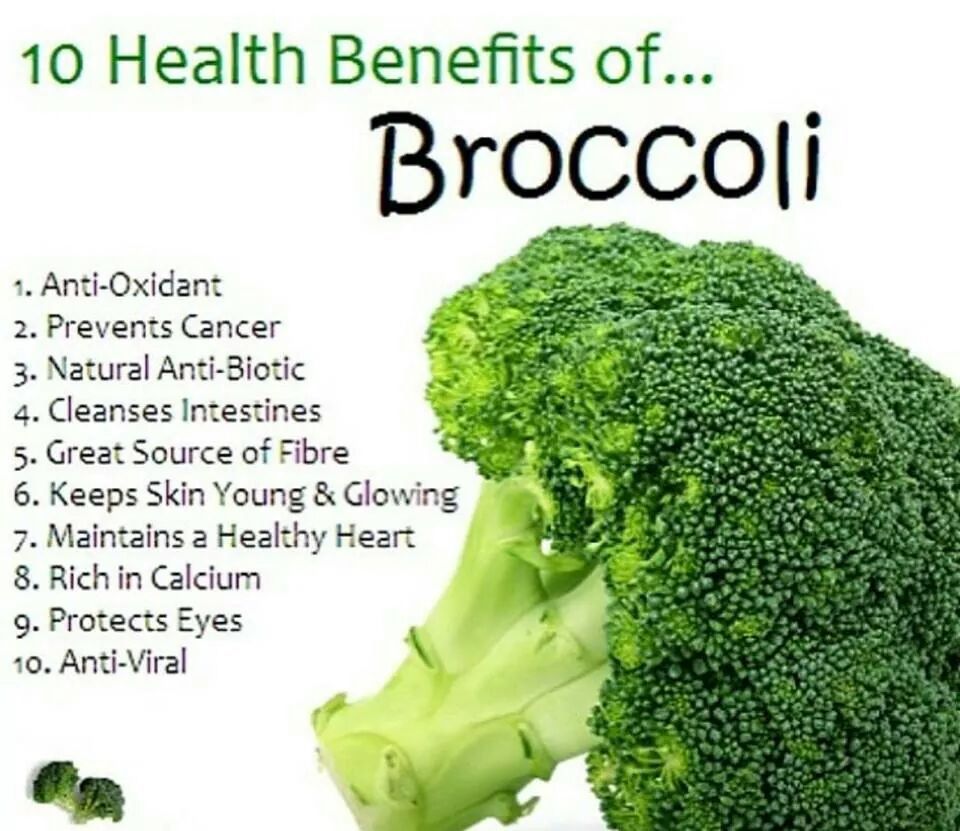
Broccoli and Heart Health: A Match Made in Heaven
When it comes to healthy eating, broccoli is undoubtedly one of the most popular vegetables. It’s packed with vitamins, minerals, and antioxidants that can help keep your body healthy and strong. But did you know that broccoli is also great for your heart? In this post, we’ll explore the many ways that broccoli can benefit your cardiovascular health.
Heart Disease: The Leading Cause of Death Worldwide
Before we dive into how broccoli can help prevent heart disease, let’s take a moment to talk about why this matters so much. According to the World Health Organization (WHO), heart disease is the leading cause of death worldwide. In 2019 alone, an estimated 18 million people died from cardiovascular diseases such as heart attacks and strokes.
The good news is that there are steps you can take to reduce your risk of developing heart disease. One of those steps involves making healthier food choices – including incorporating more broccoli into your diet.
Broccoli is Packed with Nutrients That Support Heart Health
As mentioned earlier, one of the main reasons why broccoli is so healthy is because it contains a wide range of nutrients that support overall wellness. When it comes to heart health specifically, some key nutrients found in broccoli include:
– Fiber: Broccoli contains both soluble and insoluble fiber which helps lower cholesterol levels by binding bile acids in the digestive tract.
– Vitamin C: This powerful antioxidant has been linked with lower rates of coronary artery disease.
– Potassium: This mineral helps regulate blood pressure by counteracting sodium’s effect on blood pressure.
– Sulforaphane: A compound found in cruciferous veggies like cauliflower & kale have been shown to improve endothelial function (the cells lining our arteries) .
By consuming more foods containing these nutrients ,you may be able to reduce inflammation throughout the body & protect against oxidative stress — two factors known to play a role in cardiovascular disease.
Broccoli May Help Lower Cholesterol Levels
High cholesterol levels are a major risk factor for heart disease. The good news is that there’s evidence to suggest that adding more broccoli to your diet can help lower “bad” LDL cholesterol levels. This is due in part to the high fiber content of broccoli, which helps prevent the absorption of cholesterol in the body and promotes its excretion.
In addition, researchers have found that sulforaphane may also play a role in reducing cholesterol levels by suppressing genes involved in lipid synthesis & increasing activity of enzymes responsible for breaking down lipids (fats).
Broccoli May Help Regulate Blood Pressure
Another important factor when it comes to heart health is blood pressure. High blood pressure can put extra strain on your cardiovascular system, increasing your risk of heart disease over time. Fortunately, research suggests that eating more broccoli could help regulate blood pressure.
One study published in the Journal of Medicinal Food found that consuming broccoli sprouts lead to significant reductions in both systolic and diastolic blood pressures after just 12 weeks . Another study conducted by Australian scientists showed how consuming cruciferous vegetables like Broccoli had beneficial effects on BP regulation among overweight adults who were prehypertensive or hypertensive.
How to Incorporate More Broccoli Into Your Diet
If you’re looking to add more broccoli into your diet but aren’t sure where to start , here are some easy ideas:
– Roasted: Simply toss with olive oil, salt & pepper then roast at 400°F until golden brown.
– Steamed: Steam for about five minutes or until tender-crisp then serve as a side dish.
– Sauteed: Add chopped garlic and some red pepper flakes then sauté briefly with olive oil before serving up hot!
You can also try incorporating broccoli into salads, soups, stews and stir-fries; this versatile veggie goes well with many different flavors.
Conclusion
There’s no denying that broccoli is an incredibly healthy vegetable that can benefit your body in many ways. When it comes to heart health specifically, adding more broccoli to your diet may help lower cholesterol levels, regulate blood pressure , reduce inflammation and protect against oxidative stress. So why not add this nutritious powerhouse to your next meal? Your heart will thank you!

Leave a Reply