Flaxseeds are tiny seeds that pack a big nutritional punch. They are rich in fiber, protein, omega-3 fatty acids, lignans, and other essential nutrients. Incorporating flaxseeds into your diet can help improve heart health, regulate blood sugar levels, reduce inflammation, promote digestive health, and even aid weight loss. In this post, we will answer some frequently asked questions about flaxseed.
What Are Flaxseeds?
Flaxseeds come from the flax plant (Linum usitatissimum), which is cultivated for its fibers and oil-rich seeds. The seeds have a hard outer shell that needs to be removed before consumption to access their nutritious inner part. You can find whole or ground flaxseeds at most grocery stores or health food stores.
What Are the Nutritional Benefits of Flaxseeds?
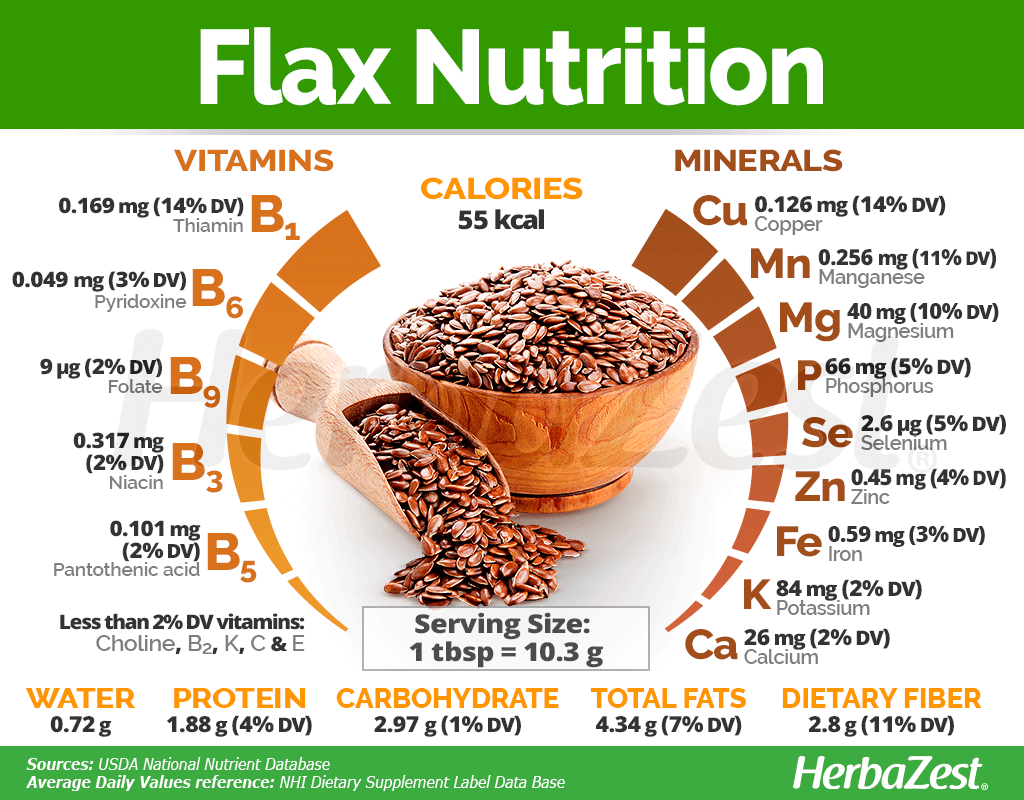
Flaxseeds are an excellent source of dietary fiber – both soluble and insoluble – which helps keep bowel movements regular and promotes satiety (feeling full). One tablespoon of ground flaxseed provides about 2 grams of fiber.
They also contain high-quality plant-based protein (about 1 gram per tablespoon) that makes them a great addition to vegetarian or vegan diets.
Omega-3 fatty acids are another key nutrient in flaxseed; specifically alpha-linolenic acid (ALA), which is a type of polyunsaturated fat found mainly in plants. ALA has been shown to support heart health by reducing inflammation and lowering cholesterol levels.
Lignans are phytoestrogens found in abundance in flaxseed. These compounds may have anticancer properties as well as hormone-balancing effects on women’s bodies.
Other nutrients in flaxseed include vitamins B1 and B6, magnesium, phosphorus, potassium, zinc.
How Can I Add Flaxseeds to My Diet?
One easy way to incorporate flaxseed into your diet is to add it to smoothies, oatmeal, yogurt, or cereal. You can also use ground flaxseed as a substitute for some of the flour in baking recipes like muffins or pancakes. Sprinkling whole or ground flaxseed on top of salads is another great option. It’s important to note that flaxseeds should be consumed in moderation because they are high in calories.
How Much Flaxseed Should I Eat Per Day?
The recommended daily intake of flaxseed varies depending on individual needs and health goals. Generally speaking, 1-2 tablespoons per day (ground or whole) is a safe amount for most adults. However, if you’re pregnant or breastfeeding, have digestive issues such as irritable bowel syndrome (IBS), take blood-thinning medications like warfarin (Coumadin®), or have a history of estrogen-sensitive cancers like breast cancer, it’s best to consult with your healthcare provider about how much flaxseed is appropriate for you.
Are There Any Side Effects Associated With Flaxseeds?
While most people tolerate flaxseeds well, there may be some side effects if consumed excessively.
Too much fiber from flaxseed can cause diarrhea and abdominal discomfort. Drinking plenty of water when consuming high-fiber foods can help alleviate these symptoms.
Flaxseeds contain phytic acid which can bind with minerals like calcium and iron in the gut; this may reduce their absorption by the body slightly.
Some people may experience an allergic reaction to flaxseed characterized by hives, itching, swelling around the mouth and throat area.
Can Flaxseeds Help with Weight Loss?
There’s evidence that incorporating flaxseeds into your diet may aid weight loss efforts indirectly by promoting satiety and reducing cravings for unhealthy snacks due to its fiber content. However, more research is needed on whether taking supplements containing concentrated forms of lignans or omega-3s from flaxseed can directly affect body weight.
Are There Any Precautions I Need to Take When Storing Flaxseeds?
Flaxseeds are sensitive to heat, light, and oxygen which can cause them to spoil quickly. To maintain their freshness, it’s recommended to store whole or ground flaxseed in an airtight container in the refrigerator or freezer. This will help preserve their nutrients as well as prevent rancidity.
In conclusion, flaxseed is a versatile and nutritious food that has many health benefits. Incorporating this superfood into your diet is easy and can be done in various ways. However, it’s important to consume them in moderation and consult with your healthcare provider if you have any concerns about using flaxseed supplements or if you’re taking medications that may interact with them.

Leave a Reply