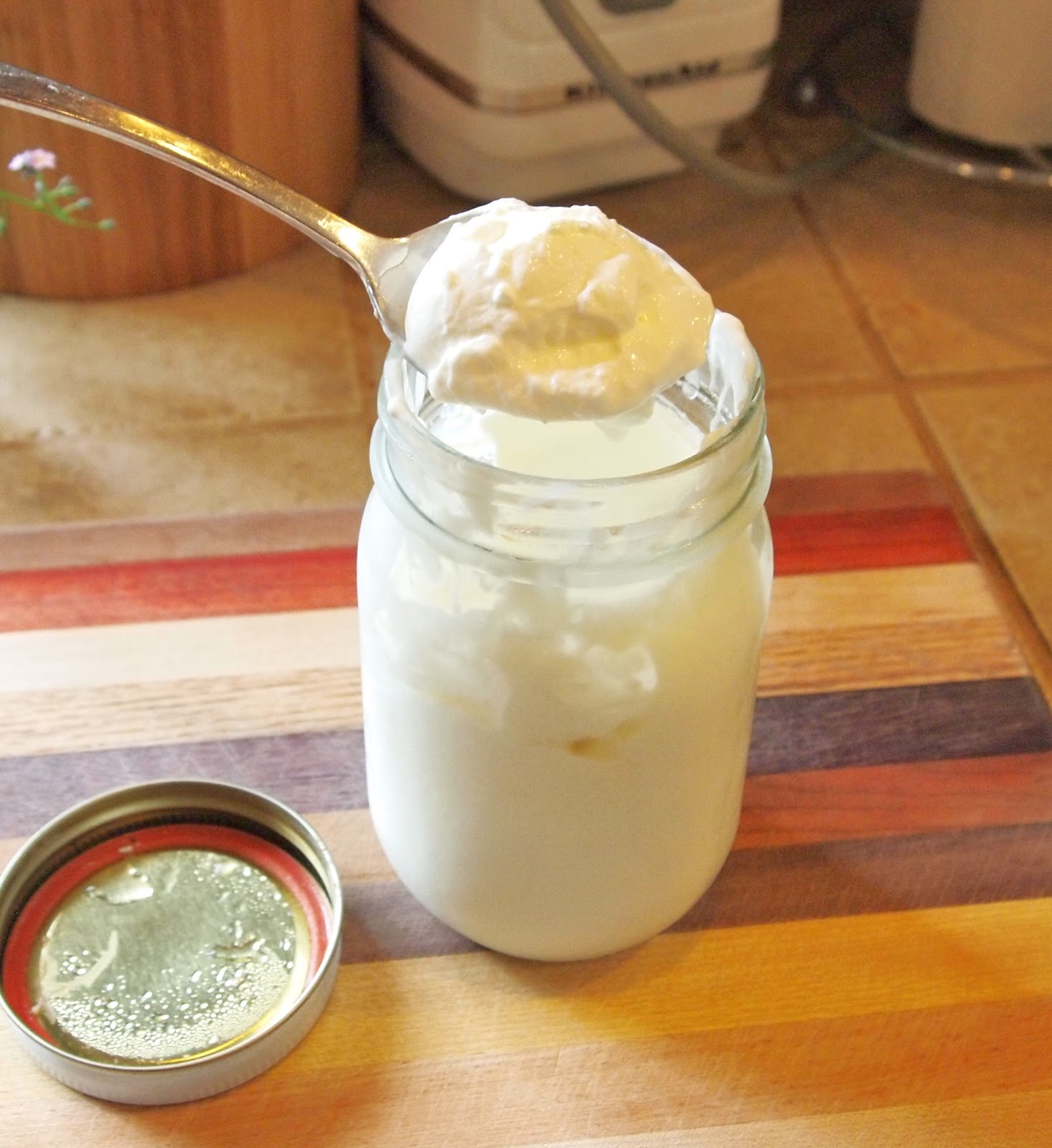
Homemade Sour Cream Recipe Cost Breakdowns
Sour cream is a popular ingredient in many recipes, from dips to desserts. However, store-bought sour cream can be expensive and often contains additives and preservatives. Making your own sour cream at home is not only cost-effective but also allows you to control the ingredients that go into it.
In this post, we will break down the cost of making homemade sour cream and compare it to the cost of buying store-bought sour cream. We will also provide a step-by-step guide for making your own sour cream at home.
Cost Breakdown:
To make one cup (240ml) of homemade sour cream, you will need:
– 1 cup (240ml) heavy whipping cream
– 1 tablespoon (15ml) white vinegar or lemon juice
– Pinch of salt
The cost breakdown for these ingredients are as follows:
– Heavy whipping cream: The average price for heavy whipping cream is $2.50 per pint (473ml). One pint will yield two cups (480ml) of heavy whipping cream which means that one cup costs $1.25.
– White vinegar or lemon juice: The price varies depending on the brand and size of the bottle, but on average it costs around $0.05 per tablespoon.
– Salt: A pinch of salt costs less than $0.01.
Therefore, the total cost to make one cup of homemade sour cream is approximately $1.31.
Comparing with Store-Bought Sour Cream:
On average, a 16oz container (approx 473 ml) of store-bought sour cream costs around $2-$3 depending on where you live and what brand you buy.
If we were to compare this with our homemade version – which yields just over two cups – then purchasing enough ingredients to make almost three times as much would still work out at less than twice the price! You could thus save up to 50% by making your own sour cream at home.
Making Homemade Sour Cream:
Now that we’ve established that homemade sour cream is cost-effective, let’s look at how to make it.
Ingredients:
– 1 cup (240ml) heavy whipping cream
– 1 tablespoon (15ml) white vinegar or lemon juice
– Pinch of salt
Instructions:
1. Heat the heavy whipping cream in a saucepan over medium heat until it reaches a temperature between 105°F and 120°F, stirring occasionally. You can also use a microwave for this step if you prefer.
2. Remove from heat and stir in the white vinegar or lemon juice and salt. Mix thoroughly.
3. Let the mixture sit undisturbed for about ten minutes so that it can thicken up slightly.
4. Transfer the mixture into an airtight container or jar with a lid and refrigerate for at least six hours before using it.
The longer you let the mixture sit, the thicker your sour cream will be – so bear this in mind when choosing how long to leave it before consumption!
Tips & Tricks:
– Use high-quality ingredients: The quality of your ingredients plays an important role in determining the taste and texture of your sour cream. So, try to use fresh heavy whipping cream as well as good quality vinegar or lemon juice.
– Don’t overmix: Overmixing can cause your sour cream to become too thick which may result in clumps forming within it when used later on!
– Adjust thickness: If you find that your homemade sour cream is too thick, add some more milk or heavy whipping cream until you reach desired consistency.
– Store correctly: Keep stored covered tightly with plastic wrap directly on top of its surface; this helps prevent air getting inside, which could lead to spoilage
Final Thoughts:
Homemade sour cream is not only cost-effective but also allows you to control the ingredients that go into it. Making your own sour cream at home is easy and requires only a few simple ingredients. The next time you need sour cream for a recipe, consider making it yourself instead of buying it from the store. You’ll be surprised at how delicious and cost-effective homemade sour cream can be!

Leave a Reply